TechBooky AI Assistant
👋 Welcome to TechBooky AI Assistant

I can help with:
🔎 Tech News
🤖 AI Topics
💻 Gadgets
☁️ Cloud
✍️ Guest Posts
📢 Advertising
🔗 Backlinks
📩 Newsletter
  • AI Search
  • Cryptocurrency
  • Earnings
  • Enterprise
  • About TechBooky
  • Submit Article
  • Advertise With TechBooky
  • Contact Us
TechBooky
  • African
  • AI
  • Metaverse
  • Gadgets
Generic selectors
Exact matches only
Search in title
Search in content
Post Type Selectors
Search in posts
Search in pages
  • African
  • AI
  • Metaverse
  • Gadgets
Generic selectors
Exact matches only
Search in title
Search in content
Post Type Selectors
Search in posts
Search in pages
TechBooky
Generic selectors
Exact matches only
Search in title
Search in content
Post Type Selectors
Search in posts
Search in pages
Home Security

Vast Majority (90%) of Passwords Can Be Cracked in Seconds: A Concerning Update on Data Security

Paul Balo by Paul Balo
November 3, 2015
in Security
Share on FacebookShare on Twitter
Share this story

Send it to someone who should read it.

f Facebook X X in LinkedIn wa WhatsApp tg Telegram @ Email
In Brief
  • With data breaches being a constant threat to both small and large scale organizations alike, clients are voicing their concerns about vulnerability like never before.
  • Two-factor authentication has become a staple across various top-rated websites, but the traditional password system doesn’t seem to be going anywhere anytime soon.
  • According to a report by Info Security Magazine, a shocking 90% of passwords can be cracked within seconds.

The spotlight is undeniably focused on data security these days. With data breaches being a constant threat to both small and large scale organizations alike, clients are voicing their concerns about vulnerability like never before. Two-factor authentication has become a staple across various top-rated websites, but the traditional password system doesn’t seem to be going anywhere anytime soon.

According to a report by Info Security Magazine, a shocking 90% of passwords can be cracked within seconds. As unsettling as it sounds, technological advances call for a re-evaluation of what we previously deemed as secure, researchers suggest.

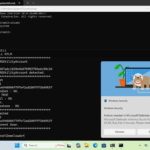
Previously acclaimed as robust, passwords including at least eight characters, one number, mixed-case letters, and non-alphanumeric symbols no longer suffice. “The emergence of advanced hardware and software easily outsmarts such passwords,” warns Duncan Stewart, the director of research behind the report. A machine with readily available virtualization software and high-powered graphics processing units can reveal any eight-character password in approximately five hours, he further adds.

[image-caption: “Decoding the password: Technological advancements prove a challenge to traditional password systems.”]

Human behavior, unfortunately, is often a stumbling block when venturing towards safer options. Consider the practicality of remembering multiple unique 24-character passwords – most users would find this task rather daunting. This leads to an over-reliance on single-password use, which undermines password security even further. A seemingly insignificant account, like a grocery store loyalty card, if cracked, could potentially provide unwanted access to more critical platforms such as online banking, simply due to password reuse. In the cyber world, a single password can open up the gates to a digital kingdom, given the commonality of consumer behavior.

[image-caption: “Password reuse: A detrimental trend amongst consumers.”]

Also worth reading
1Password Funding Row Shows Open Source Is Political GitHub Confirms Hackers Stole Data From About 3,800 Internal Repositories RSAC 2026: AI Agents Are Flooding Security Tools, But A Visibility Gap Remains Crunchyroll Hit By Data Breach Following Hacker’s Claim CBN Orders Stronger Security for Overseas Card Payments Revolut Breach Shows Fake Requests Can Beat Fintech Security

Regardless, Stewart adds a note of optimism, “Moving to longer passwords or truly random passwords might seem impractical, as people are not likely to adopt them. However, multifactor authentication using tokens, cellphones, credit cards, and more seem to be promising solutions.”

Imagine routinely getting additional passwords sent via SMS, or biometric requirements such as fingerprint scans becoming a norm. Even ‘tap and go’ credit cards could soon be a regular facet of our future technology use, suggests Stewart.

While the conclusion is not panic-inducing, it’s a timely reminder that we can’t afford to become complacent when it comes to data security. As technology evolves, so too should our methods of protection. The future of data security will be determined by our ability to stay ahead of the threats and adapt our strategies accordingly.

This article was updated in 2025 to reflect modern realities.

Related Reading

More contextual TechBooky stories selected from tags, categories and article context.

  • Screenshot-513-e1718290879733-920x513
    Apple Password App Security Flaw Exposed Users to…
  • Proton-Launches-Cross-Platform-Authenticator-App-with-Secure-Sync
    Proton Launch A New 2FA App
  • Input-personal-info-for-scan-800x536
    Google Set to Retire ‘Dark Web Report’ Feature in February
  • bluehammer-will-dormann
    BlueHammer Windows Exploit Exposes Microsoft Bug…
  • Microsoft Unveils New Surface Laptop
    Microsoft Plans Password Deletion for 1 Billion Users
  • 47695-93183-chrome-100-macos-icon-xl
    Google Chrome 146 Introduces DBSC to Stop Cookie…
  • MongoDB_Logo
    MongoDB Vulnerability Lets Attackers Crash Servers Remotely
  • apple_ios_18.6_iphone_warning
    Researchers Warn DarkSword Exploit Could Hit…
Keep Reading Smarter

Search TechBooky with AI

Use TechBooky's AI Search to explore the context behind this story and related coverage across the site.

Try AI Search
More On This Topic
Security
Follow TechBooky

Follow TechBooky for more technology stories and newsroom updates.

f Facebook X X in LinkedIn ig Instagram wa WhatsApp

Tags: cyber securitysecurity
Paul Balo

Paul Balo

Paul Balo is the founder of TechBooky and a highly skilled wireless communications professional with a strong background in cloud computing, offering extensive experience in designing, implementing, and managing wireless communication systems.

Search TechBooky
Open TechBooky AI Search Try the AI Assistant

BROWSE BY CATEGORIES

Receive top tech news directly in your inbox

subscription from
Loading

Freshly Squeezed

  • India Puts Its $30B Chip Ambition Before Global Investors September 17, 2026
  • OpenAI Reveals Six Cases Of AI Models Breaking The Rules September 17, 2026
  • Amazon Brings Alexa+ To India With Hindi Support September 16, 2026
  • SpaceX Sets September 22 For First Starship Orbital Try September 16, 2026
  • Meta Puts AI Agents Inside WhatsApp Business Setup September 16, 2026
  • US AI Data Centres Could Burn More Gas Than Major Economies September 16, 2026
  • Nvidia Says AI Safety Should Be Left To Builders September 16, 2026
  • Anthropic Takes Claude Into Wealth Management September 16, 2026
  • OpenAI Backs Outside Evaluators For Frontier AI Models September 16, 2026
  • Zuckerberg Says AI Labs Can Slow Down Without A Pact September 16, 2026
  • Google Launches Gemini 3.8 Live For Real-Time AI Talk September 16, 2026
  • Elon Musk Wants AI Rivals To Test Each Other’s Models September 16, 2026

Browse Archives

September 2026
M T W T F S S
 123456
78910111213
14151617181920
21222324252627
282930  
« Aug    

Quick Links

  • About TechBooky
  • Advertise With TechBooky
  • Contact us
  • Submit Article
  • Privacy Policy
Generic selectors
Exact matches only
Search in title
Search in content
Post Type Selectors
Search in posts
Search in pages
  • African
  • Artificial Intelligence
  • Gadgets
  • Metaverse
  • Tips
  • AI Search
  • About TechBooky
  • Advertise With TechBooky
  • Submit Article
  • Contact us

© 2025 Designed By TechBooky Elite

Discover more from TechBooky

Subscribe now to keep reading and get access to the full archive.

Continue reading

We use cookies to ensure that we give you the best experience on our website. If you continue to use this site we will assume that you are happy with it.