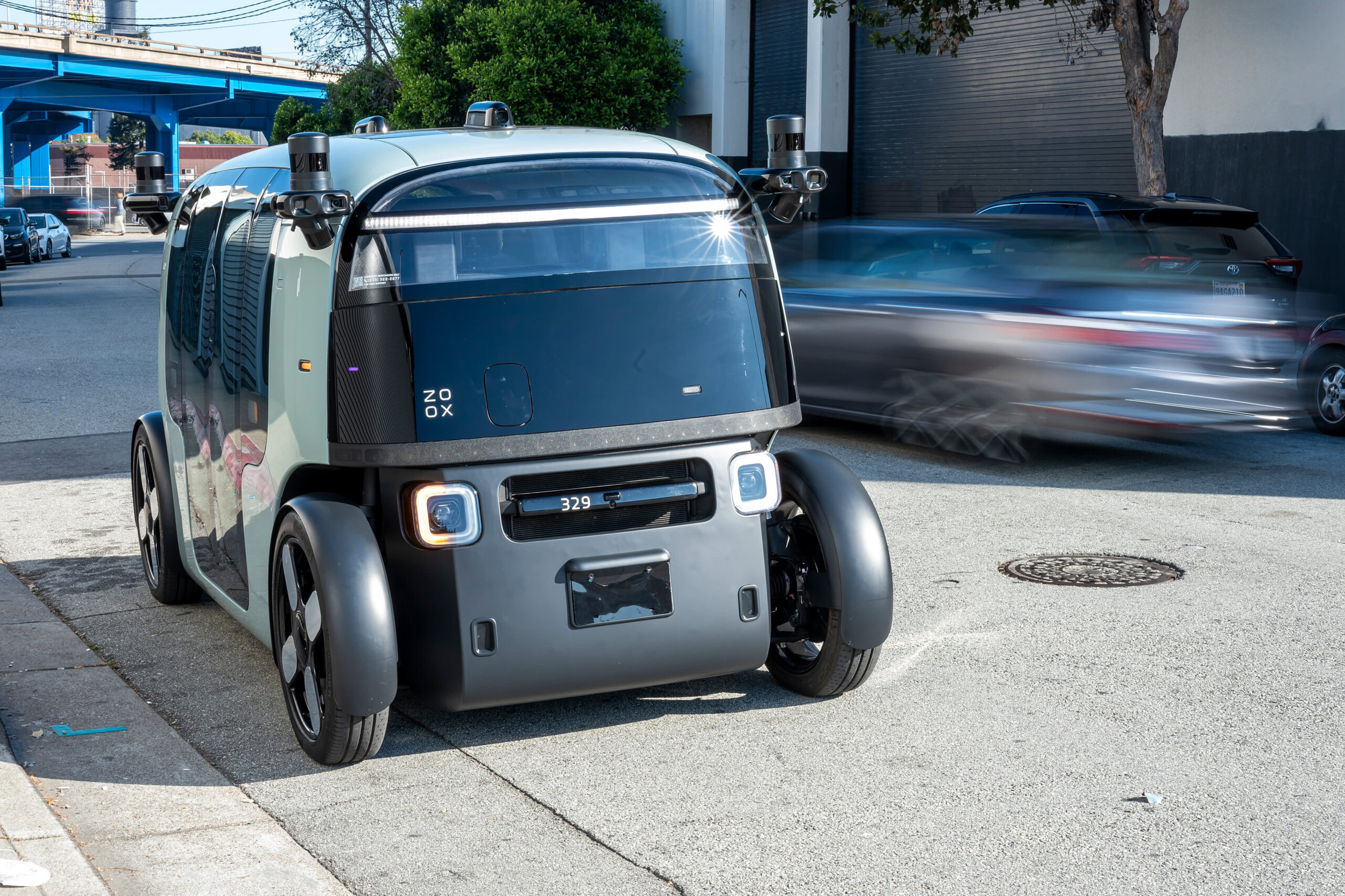
The company says it will start with retrofitted Toyota Highlander SUVs that include its autonomous driving stack but still carry human safety drivers. Those vehicles will be used to map streets and gather local driving data before Zoox brings in its fully purpose-built robotaxis at a later stage.
Zoox is positioning the Dallas and Phoenix deployments as a way to expose its system to road and weather conditions it hasn’t fully tested elsewhere. Phoenix offers extreme heat, dust and high-speed roads, while Dallas brings sprawling layouts and more varied weather compared to other existing Zoox markets.
To support the rollout, Zoox is opening new depots in both cities. It is also establishing a command hub in Scottsdale, Arizona, which will oversee fleet operations, provide remote guidance to vehicles when needed and handle rider support.
With Dallas and Phoenix, Zoox’s combined launch and test footprint now spans 10 US cities. In addition to the new markets, the company operates in Las Vegas, San Francisco, Seattle, Austin, Miami, Los Angeles, Atlanta and Washington, DC.
Amazon acquired Zoox for $1.3 billion in 2020 and has been steadily expanding its reach since then. According to the company, its autonomous fleet has now driven more than one million miles and carried over 300,000 riders.
Zoox’s latest move comes as the US robotaxi race intensifies. Alphabet’s Waymo continues to widen its service areas across the country, while Tesla launched its own Robotaxis last year, though Tesla’s service is currently limited to parts of Austin, Texas.
US regulators are also stepping up their focus on autonomous driving safety. A federal self-driving safety forum is scheduled for Tuesday, with the CEOs of Waymo, Zoox and Aurora expected to attend. Policymakers are under pressure to respond to a series of high-profile incidents as self-driving pilots expand onto public streets.
Over the past year alone, autonomous vehicles in the US have been involved in incidents including striking a child near a school and blocking emergency services responding to a mass shooting. In addition, Teslas operating with automated features appear to be crashing at higher rates than human drivers. Those cases have fuelled questions about how quickly robotaxi services should scale and what kind of guardrails regulators need to establish.
The current regulatory framework has lagged the pace at which companies are deploying and iterating their self-driving systems on public roads. As Zoox pushes into hotter climates, dustier environments and faster highways in Dallas and Phoenix, both regulators and local communities will be watching how its technology performs under those conditions.
Paul Balo is the founder of TechBooky and a highly skilled wireless communications professional with a strong background in cloud computing, offering extensive experience in designing, implementing, and managing wireless communication systems.
We use cookies to ensure that we give you the best experience on our website. If you continue to use this site we will assume that you are happy with it.