On Tuesday, Google announced the release of several Android 16 updates, as well as new general Android and accessibility features. The introduction of new Android 16 features, which will first appear on Pixel devices, represents a new chapter in how Android upgrades are delivered, as the firm transitions from a single yearly update to more regular releases.
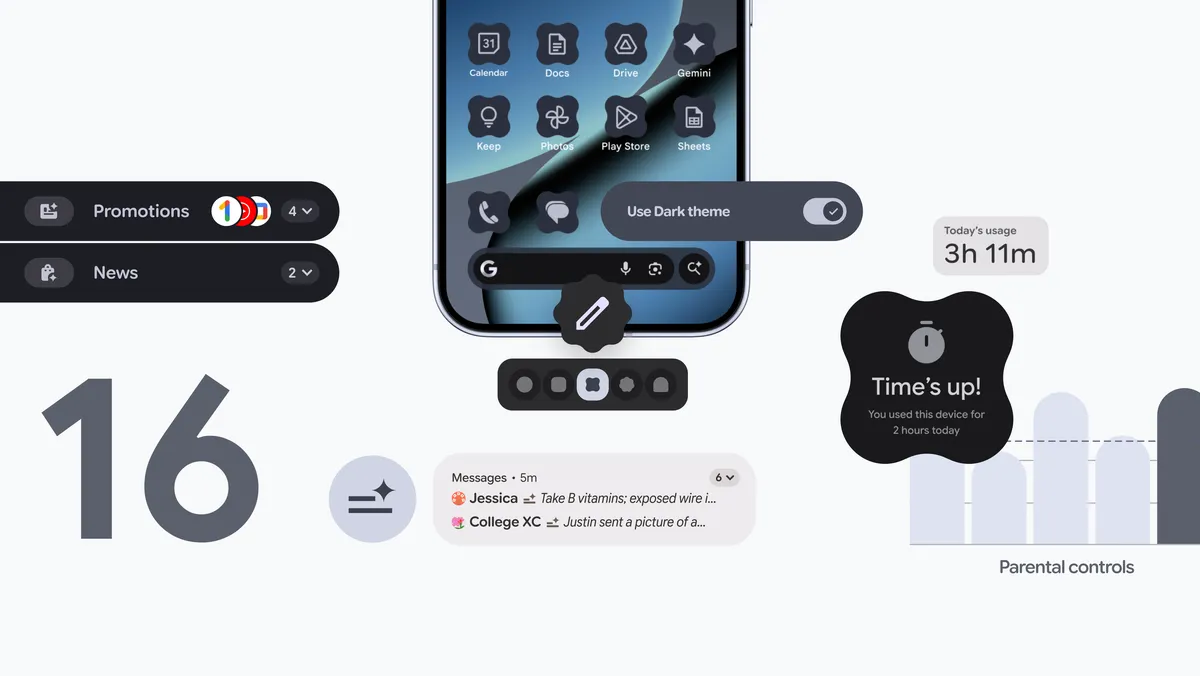
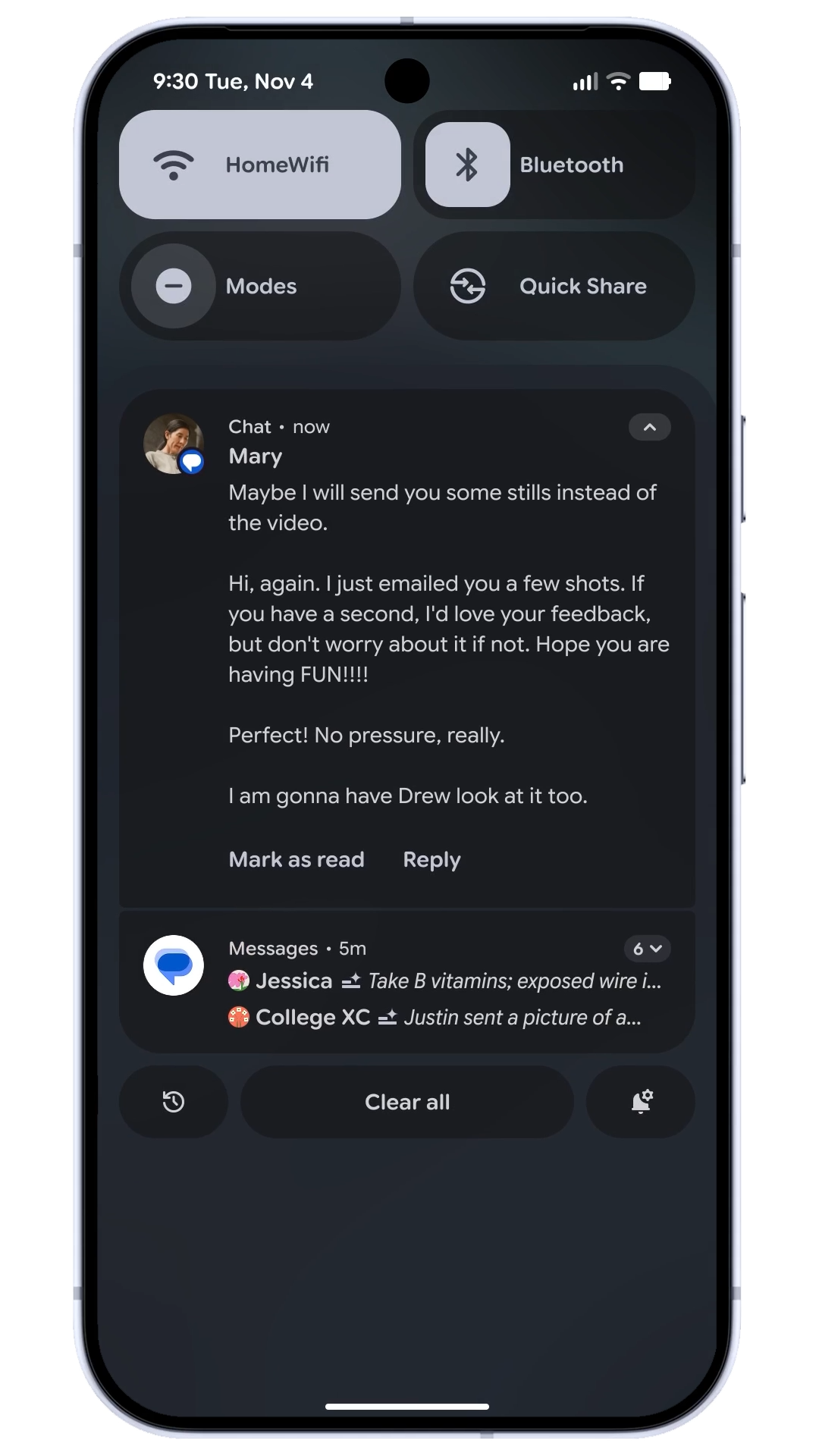
Android 16 will include AI-powered notification summaries that reduce lengthy texts and group chats into fast, glanceable overviews. A new “Notification organiser” will automatically combine and quiet low-priority notifications including promotions, news, and social alerts.
The update also adds further customisation options, such as custom icon shapes, themed icons, and the ability to automatically darken bright apps that do not have their own native dark theme.
There’s also a new Parental Controls option in Android Settings that allows parents to limit their children’s screen time, create downtime plans, control app usage, and more.
Beginning Tuesday, these upgrades will be available on compatible Pixel devices with Android 16.
Google is also introducing a number of new Android features that are not limited to Android 16. A new beta feature named “Call Reason” allows users to mark calls to saved contacts as “urgent.” This will appear on the incoming call screen, alerting recipients that the call is time-sensitive. If they do not answer the phone, the “urgent” message will remain in their call history.
Google is also introducing “Expressive Captions,” which reflect the complete emotion of speech with tags such as [sad] or [joyful], whether in a video message or a social media post. When the sound is turned off, the company claims that users will be able to understand the entire context of what is being said.
The technology giant has made it easier to identify and abandon undesirable group chats. If a user is invited to a group by an unknown number, they will receive an alert including important group information. The user can then swiftly respond, exit the chat, or block and report the number.
Furthermore, pinned tabs in Chrome now function similarly to desktop, which means that pinned pages remain at the front of the browser, allowing users to resume where they left off.
Google is also improving Circle to Search, a feature that lets users search from anywhere on their phone using gestures like circling, highlighting, sketching, and touching. Users can now use the function to analyse questionable communications; after selecting Circle to Search, an AI Overview will show, suggesting whether the message is likely to be a hoax.
Google is improving the “Guided Frame” feature in the Pixel camera app as part of accessibility upgrades. Previously, the feature would alert users to things like a face in the frame. It will now provide a more detailed description, such as “One girl with a yellow T-shirt sits on the sofa and looks at the dog.”
Users no longer need to physically tap their phone to activate Voice Access, which allows them to control their Android devices via voice commands. To begin managing their phone hands-free, users simply say “Hey Google, start Voice Access”.
Fast Pair is also being launched for hearing aids, beginning with Demant, a Danish business that controls several major hearing aid brands such as Oticon, Sonic, and Bernafon.
These updates are intended to make the Android experience more intelligent, efficient, and suited to particular user preferences.
Users can vist the Google’s website which contains the complete list of upcoming upgrades for Android 16 and Android devices.
We use cookies to ensure that we give you the best experience on our website. If you continue to use this site we will assume that you are happy with it.