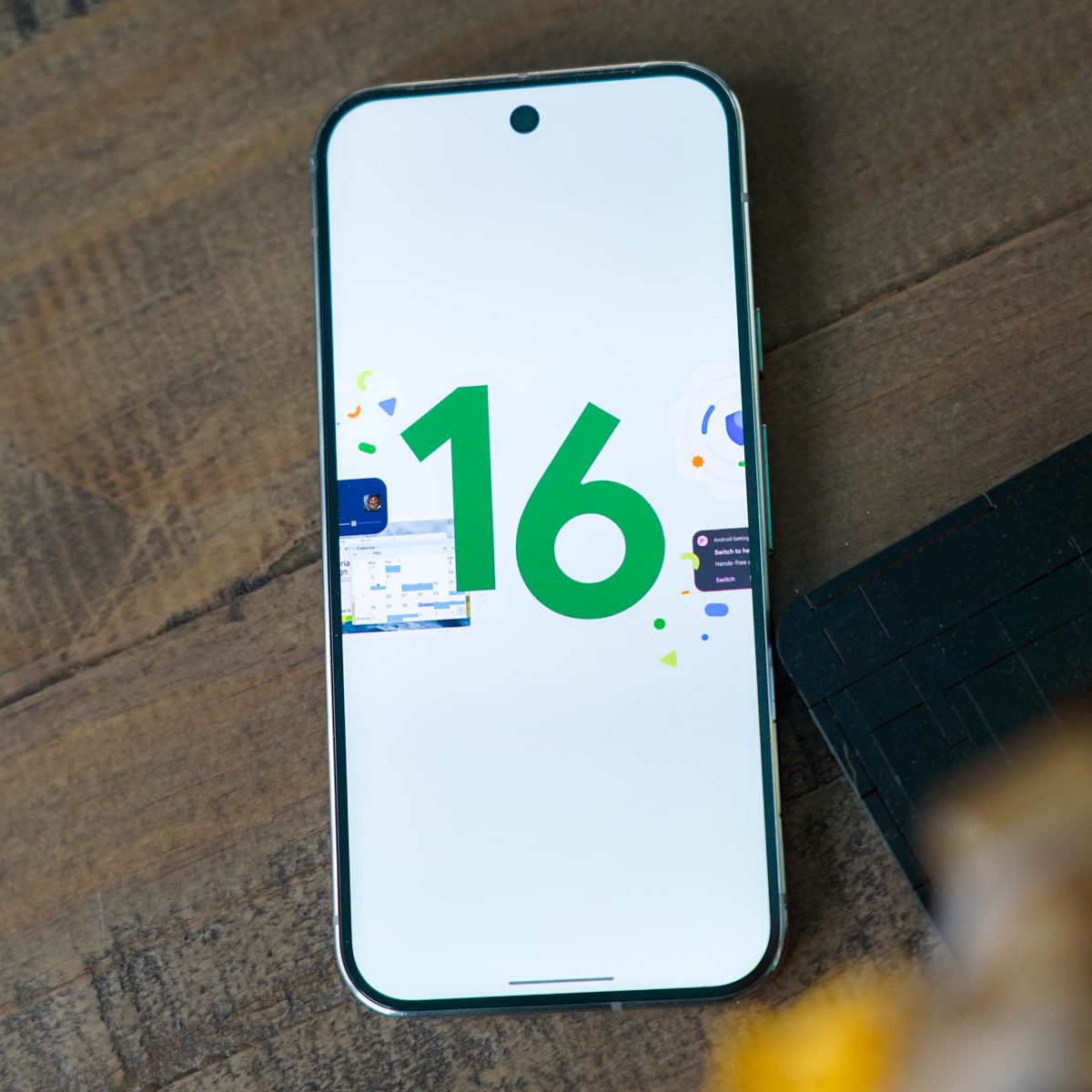
Google released Android 16 QPR3 Beta 2 on January 14, bringing important fixes to Pixel devices that have been struggling with performance issues. This update focuses entirely on solving problems rather than adding new features, marking a shift toward stability after previous releases.
The update addresses multiple critical issues that affected how Pixel phones work on a daily basis. Users reported that their phones were crashing unexpectedly, freezing during normal use, and draining battery power faster than expected. Google’s engineering team worked through these complaints and built fixes into this second beta release.
Battery problems get the most attention in this update. Many Pixel owners noticed their phones losing significant charge overnight even when not in use. Google says it optimized how background apps consume power, which should stop this excessive drain. Another battery issue involved phones ignoring charging limits set by users. Some people configure their devices to stop charging at 80 percent to preserve long-term battery health, but phones were charging to 100 percent anyway. This update ensures phones now respect those limits.
Charging itself also improves with Beta 2. Wireless charging was behaving inconsistently across different devices, sometimes working properly and other times failing completely. Wired charging speeds were slower than they should be. Google updated the power management systems to fix both problems.
Connection issues also receive fixes in this release. Some users experienced unusually slow internet speeds when connected to certain networks, while others missed incoming calls because their phones didn’t register them properly. Google addressed these connectivity problems in the update.
The update is available for a wide range of Pixel devices, starting from the Pixel 6 series and extending through the latest Pixel 10 line-up. This includes all Pixel 6, 7, 8, 9, and 10 models, plus the Pixel Fold, Pixel Tablet, and their variants. Google uses two different version numbers depending on the device. Older Pixel 6 and 7 series phones get build CP11.251209.007, while all newer models receive CP11.251209.007.A1.
People enrolled in Google’s testing program will receive the update automatically through their phone’s normal update process. Anyone not currently testing can join through Google’s website, though Google warns that test versions can have unexpected problems and should be used carefully.
The company releases these updates every three months as part of its schedule for improving Android between major versions. These releases typically bring meaningful changes compared to monthly security patches. Google considers them stable enough for everyday use, though they remain test versions until the final public release.
Android 16 QPR3 should reach its final stable version in March 2026. Until then, Google will continue refining the software based on feedback from people testing these early versions.
We use cookies to ensure that we give you the best experience on our website. If you continue to use this site we will assume that you are happy with it.