Apple is quietly preparing one of its most important new products in years, AI-powered smart glasses but behind the scenes, the company is undergoing a deeper transformation that could shape its future in artificial intelligence.
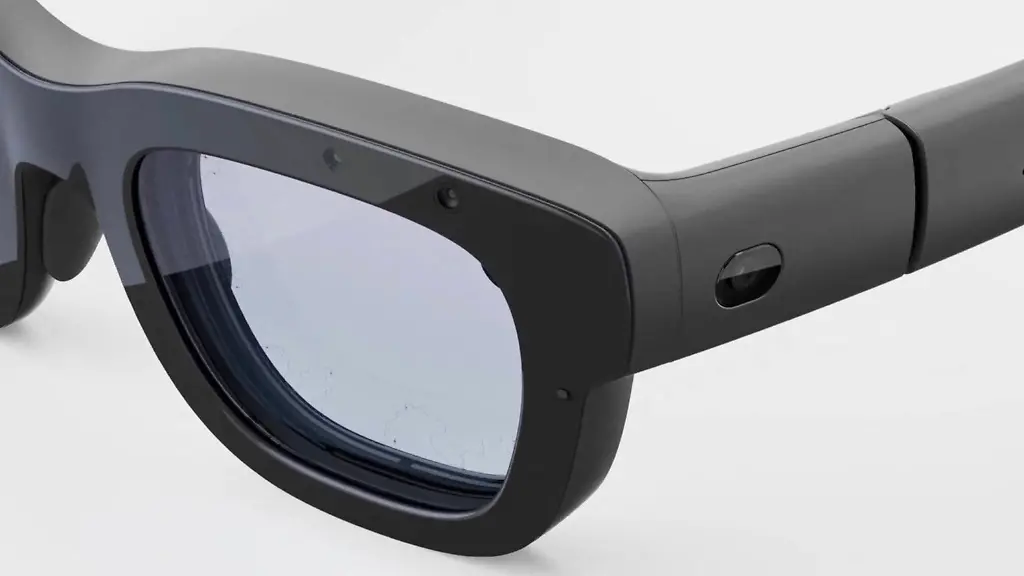
According to new details, Apple is working on multiple smart glasses designs, experimenting with different frame styles, colours, and a distinctive camera setup as it prepares to compete directly with Meta’s Ray-Ban smart glasses.
The device is expected to rely heavily on cameras and sensors, forming the backbone of Apple’s broader push into AI-powered, context-aware computing where devices understand and interact with the world around you.
This isn’t just another gadget. It’s part of a much bigger strategy.
Apple’s smart glasses are shaping up to be less about displays and more about intelligence.
Reports suggest the company is focusing on camera-driven AI features, allowing the glasses to interpret surroundings, capture content, and assist users in real time, a direction that aligns with Apple’s privacy-first approach and reliance on on-device processing.
In practical terms, that could mean:
Identifying objects and locations
Providing contextual assistance via Siri
Capturing photos and video from a first-person perspective
Integrating tightly with the iPhone ecosystem
Unlike bulkier mixed-reality headsets like Vision Pro, these glasses are expected to be lightweight, stylish, and designed for everyday use signalling Apple’s intent to bring AI into daily life in a far more subtle way.
At the same time, Apple is dealing with a major internal shift.
Longtime AI chief John Giannandrea who joined from Google and helped shape Apple’s machine learning strategy is now preparing to leave the company after transitioning to an advisory role.
His responsibilities have already been redistributed across Apple’s leadership, with key AI efforts now being handled by senior executives like Craig Federighi and others.
The timing is notable.
Apple is pushing deeper into AI hardware just as it restructures its internal AI leadership — a sign that the company is trying to accelerate its position in a space currently dominated by rivals like OpenAI, Google, and Meta.
Apple’s approach to AI has always been different.
While competitors have leaned heavily on cloud-based models, Apple has focused on on-device intelligence and privacy, even if it meant moving slower than rivals.
But that strategy has come under pressure.
Delays in improving Siri and criticism of Apple’s AI capabilities have forced the company to rethink how it builds and delivers intelligent features.
The smart glasses project appears to be part of that reset — a chance to define a new category where Apple can control both the hardware and the AI experience from the ground up.
What’s happening here isn’t just a product launch. It’s a shift in how Apple sees the future of computing.
Instead of phones or headsets, the next major interface could be something far simpler — glasses that blend into everyday life while quietly running powerful AI in the background.
But success isn’t guaranteed. Apple is entering a space where competitors already have momentum, and it’s doing so while reshaping its own AI leadership and strategy at the same time.
Still, if there’s one thing Apple has proven repeatedly, it’s this:
Paul Balo is the founder of TechBooky and a highly skilled wireless communications professional with a strong background in cloud computing, offering extensive experience in designing, implementing, and managing wireless communication systems.
We use cookies to ensure that we give you the best experience on our website. If you continue to use this site we will assume that you are happy with it.