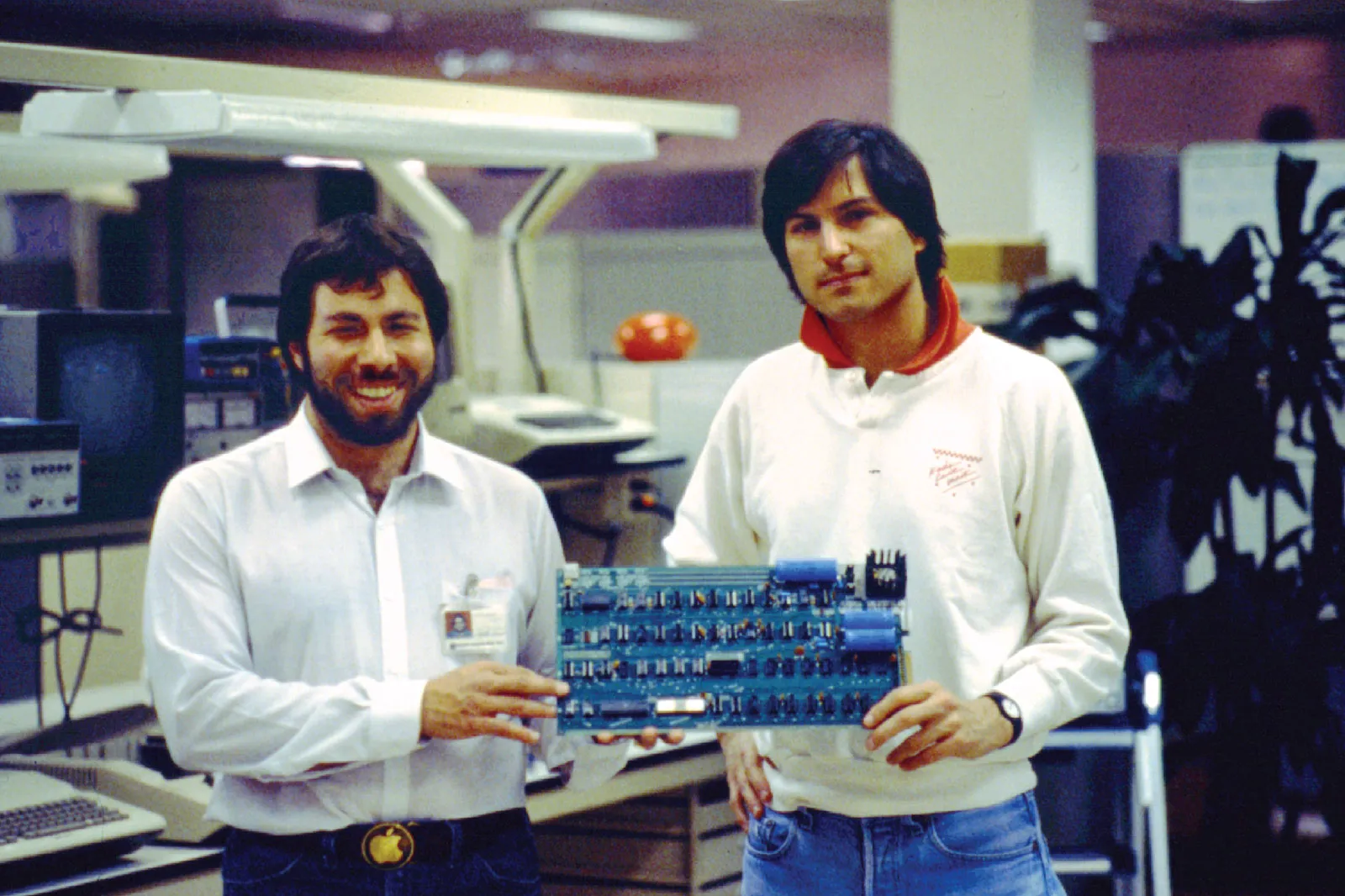
When Apple was founded in 1976 by Steve Jobs, Steve Wozniak and Ronald Wayne, it wasn’t obvious the company would go on to define entire industries.
Fifty years later, Apple isn’t just a tech company it’s arguably the most influential product company in modern history. It didn’t invent everything it popularised, but it repeatedly took existing ideas and turned them into something usable, desirable, and culturally dominant.
From personal computing to smartphones, music, chips, and now spatial computing, Apple’s track record is less about invention and more about execution at scale.
Here are 50 of the most important things Apple has brought into the world.
The Early Foundations (1976–1996)
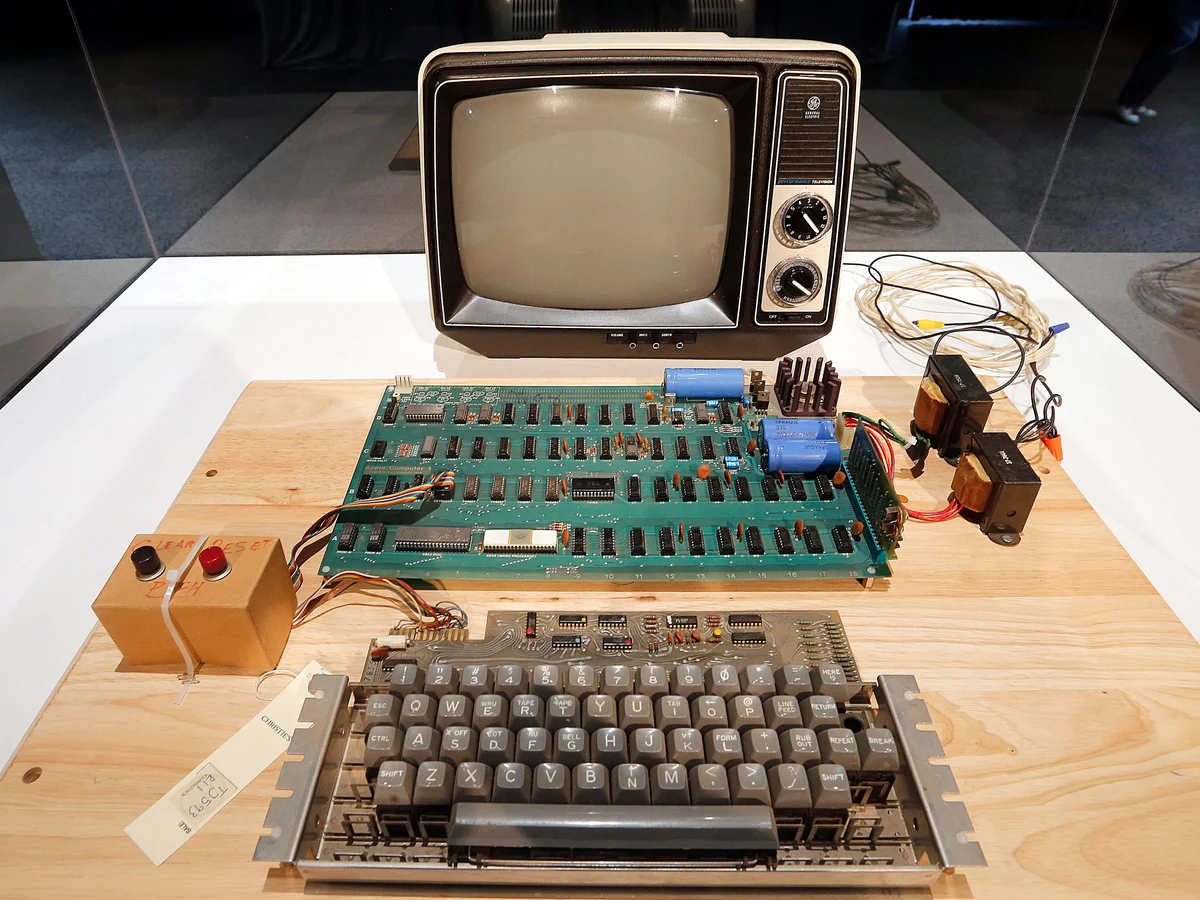
Apple I – one of the first personal computers
Apple II – mainstream computing for homes and schools
VisiCalc support – helped create the spreadsheet era
Macintosh (1984) – popularized the graphical user interface
The mouse (mainstream use) – made computing intuitive
Desktop publishing – via Mac + LaserWriter
TrueType fonts – typography for everyone
HyperCard – early hypermedia system
PowerBook – modern laptop design blueprint
Newton – early (failed) but visionary PDA
The Comeback and Reinvention (1997–2006)
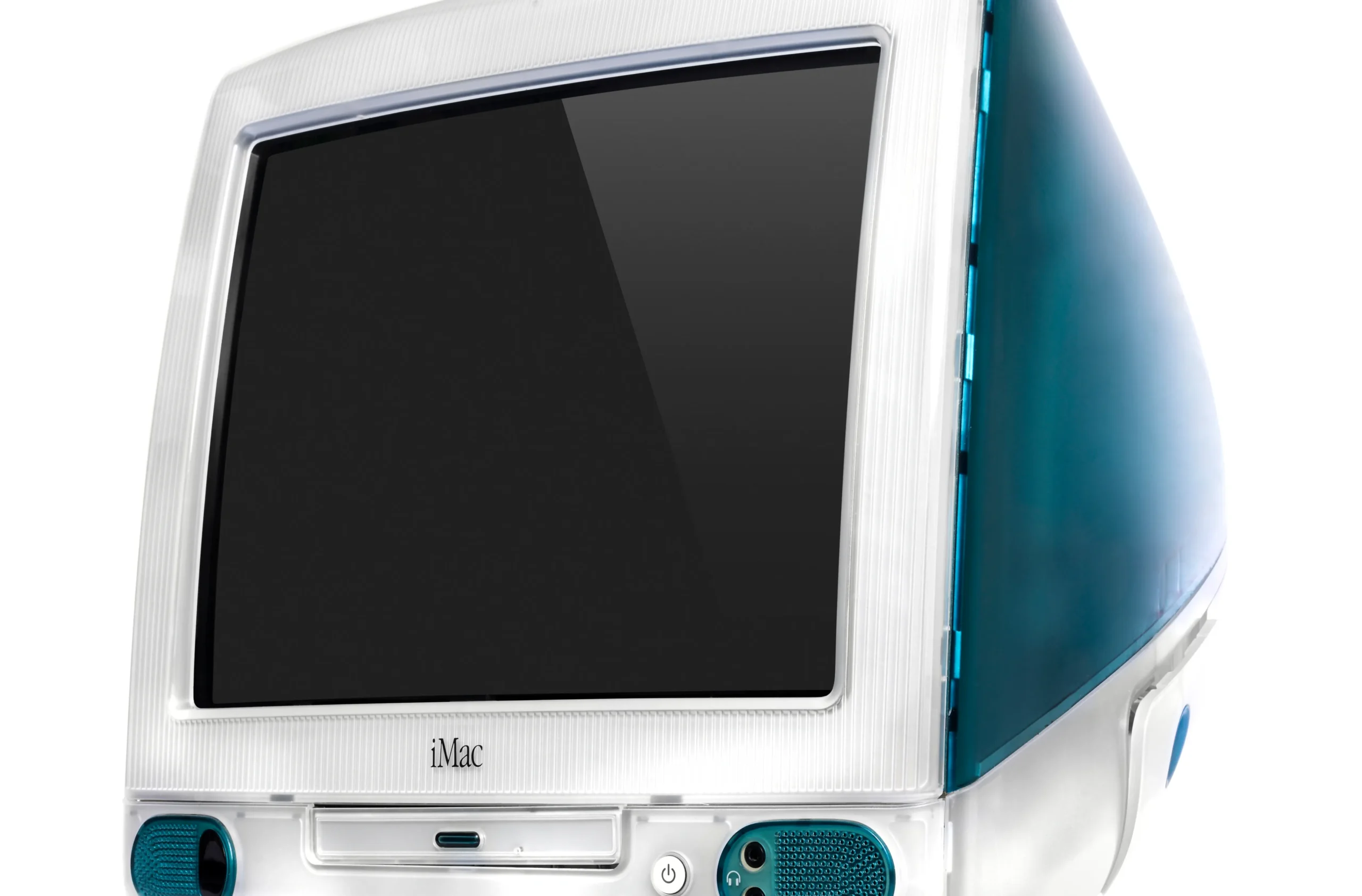
iMac – revived Apple with design-first computing
Mac OS X – Unix-based modern OS foundation
Aqua UI – design-led software interface
Apple Retail Stores – redefining tech retail
iTunes – digital music management
iPod – portable music revolution
iTunes Store – legal digital music marketplace
FireWire – high-speed data transfer standard
Final Cut Pro – pro video editing disruption
Apple ecosystem thinking – devices that “just work” together
The Mobile Revolution (2007–2015)
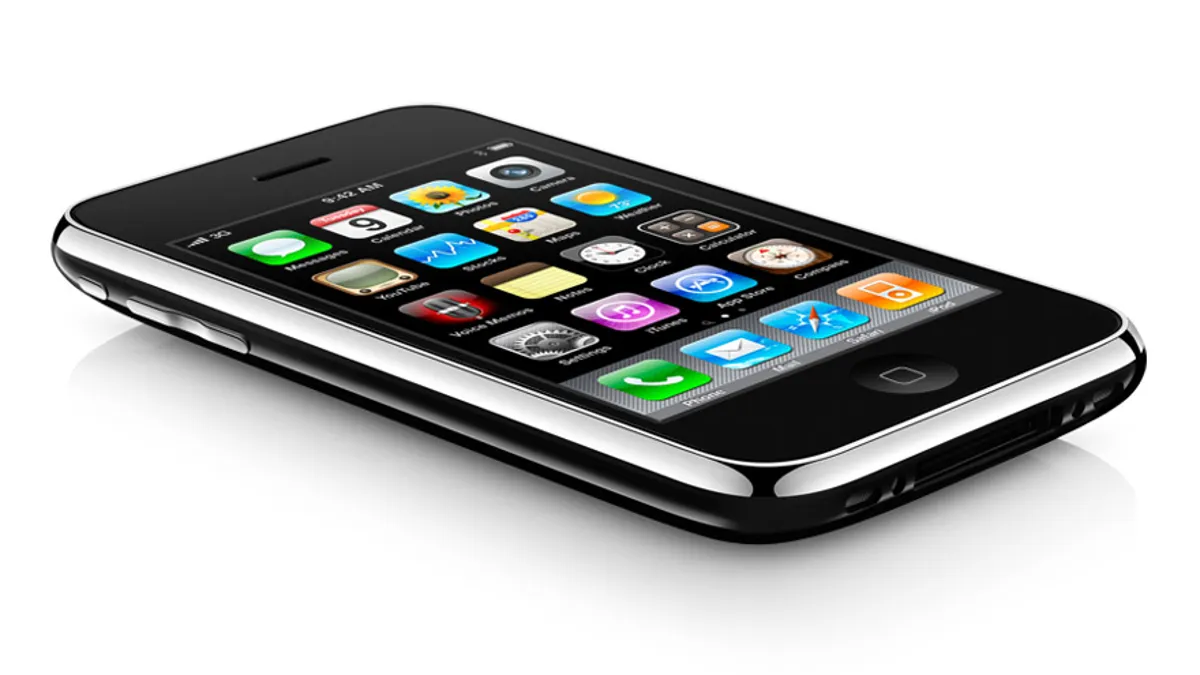
iPhone – redefined the smartphone
Multi-touch – natural interaction with screens
App Store – modern app economy
iOS – mobile OS standard
Safari mobile – real web on phones
iPad – mainstream tablet computing
Retina display – high-resolution screens
FaceTime – consumer video calling
Apple Watch – wearables go mainstream
AirPlay – wireless media streaming
The Services and Ecosystem Era (2015–2020)
Apple Pay – mainstream mobile payments
AirPods – defined wireless earbuds
Apple Music – streaming pivot
iCloud – seamless device sync
Continuity – cross-device workflows
HomeKit – smart home framework
Apple TV+ – original content push
HealthKit – digital health integration
Privacy as a product – tracking transparency
Subscription ecosystem – services revenue model
The Silicon and AI Era (2020–Present)
Apple Silicon (M1–M3) – redefining laptop performance
ARM transition – breaking from Intel
Neural Engine – on-device AI
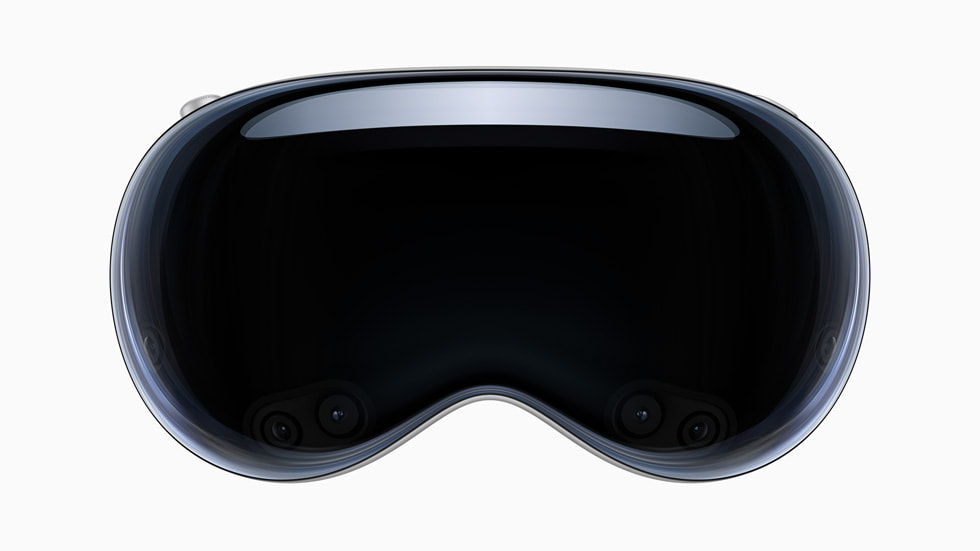
Vision Pro – spatial computing push
Dynamic Island – UI innovation
ProMotion displays – adaptive refresh rates
On-device privacy AI – processing without cloud
Ultra-wideband (UWB) – precise location tech
MagSafe revival – modular charging ecosystem
The “Apple experience” – design, hardware, software, and services as one
Apple’s real innovation isn’t any single product.
It’s the ability to turn complexity into simplicity to take technologies that exist and make them usable, scalable, and culturally relevant.
From the Macintosh to the iPhone to Apple Silicon, the company has repeatedly stepped in at the moment when a category was ready but not yet refined and pushed it into the mainstream.
At 50, Apple isn’t just a company that builds products. It’s a company that has shaped how people interact with technology itself.
Paul Balo is the founder of TechBooky and a highly skilled wireless communications professional with a strong background in cloud computing, offering extensive experience in designing, implementing, and managing wireless communication systems.
We use cookies to ensure that we give you the best experience on our website. If you continue to use this site we will assume that you are happy with it.