Apple is undergoing its biggest leadership transition in more than a decade and while the move appears carefully planned, it also signals a deeper shift in how the company is preparing for its next era.
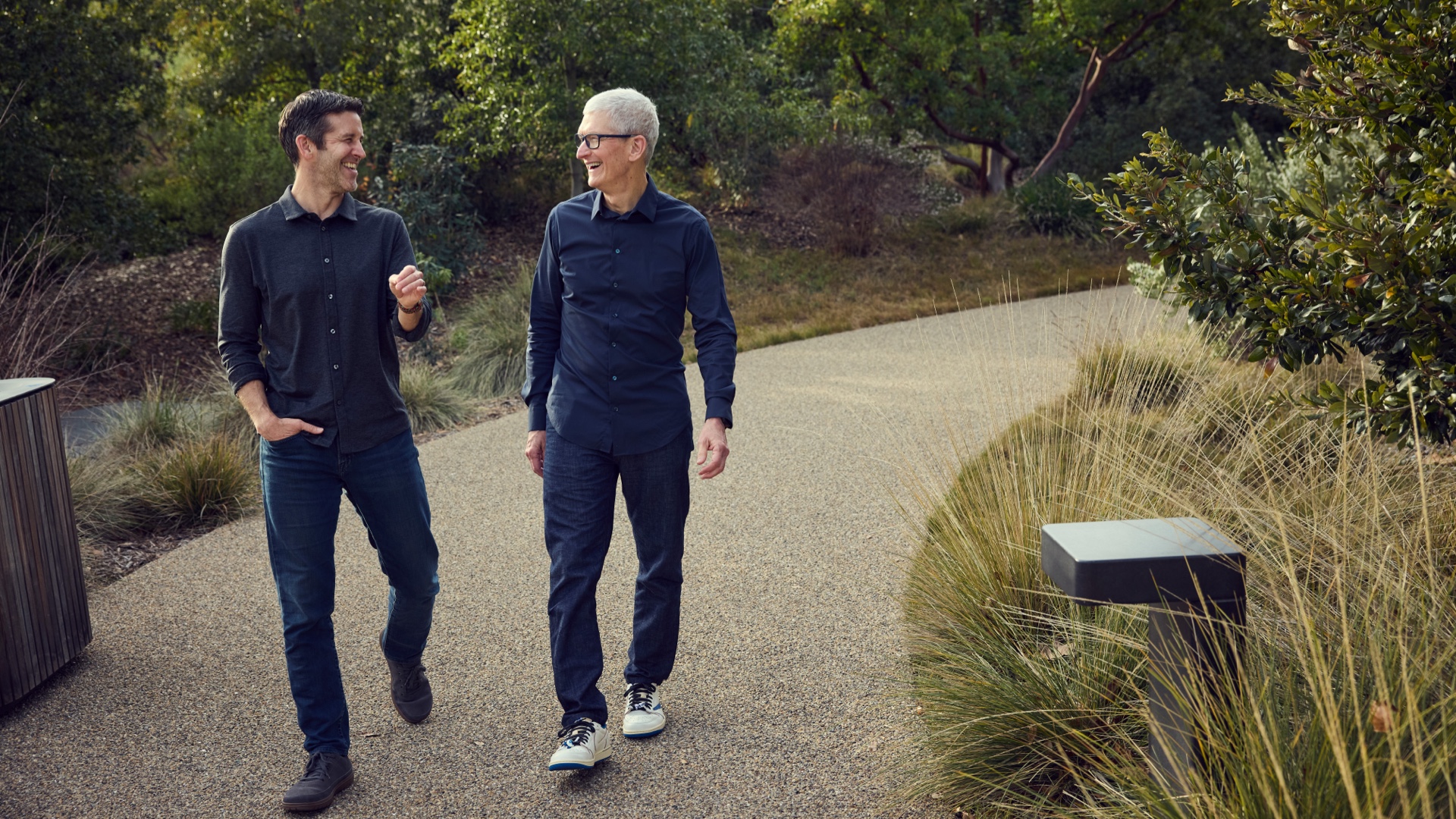
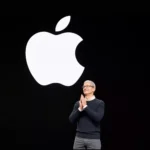
The company has confirmed that Tim Cook will step down as CEO in September 2026, transitioning into the role of executive chairman, with long-time hardware chief John Ternus taking over as the new CEO.
On paper, this looks like a textbook succession plan. Apple’s board described it as a “thoughtful, long-term” transition, with unanimous approval and clear continuity in leadership.
But Apple rarely makes moves this significant without a broader strategic context.
Cook has been CEO since 2011, taking over from Steve Jobs and transforming Apple into one of the most valuable companies in history. Under his leadership, Apple expanded far beyond the iPhone into wearables, services, and global infrastructure, growing into a multi-trillion-dollar company with massive recurring revenue streams.
At the same time, critics have increasingly questioned whether Apple has fallen behind in one key area: artificial intelligence.
That’s where this transition becomes more interesting.
Ternus is not a services executive or AI strategist. He is, first and foremost, a hardware engineer, a 25-year Apple veteran who has helped shape products like the iPhone, Mac, and iPad, and most recently led major hardware innovations across the company.
His appointment suggests Apple is doubling down on something it has always believed in: tightly integrated hardware and software experiences.
But the timing raises bigger questions.
Apple is entering a phase where AI is rapidly becoming the defining layer of computing. Rivals like Microsoft, Google, and OpenAI are embedding AI deeply into operating systems, productivity tools, and cloud platforms. Apple, by contrast, has taken a more measured approach — focusing on privacy, on-device intelligence, and gradual integration rather than aggressive rollout.
Some analysts see this leadership change as a signal that Apple wants to rethink how it executes that strategy, particularly as pressure builds to deliver more competitive AI features across its ecosystem.
Cook isn’t leaving entirely.
As executive chairman, he will remain deeply involved particularly in global policy, partnerships, and strategic oversight. That continuity matters, especially given Apple’s complex relationships with governments, regulators, and global supply chains.
But operational control will shift.
And that’s where the real change lies.
Ternus will now be responsible for navigating Apple through what could be one of the most challenging transitions in its history: moving from a company defined by devices to one increasingly defined by intelligence.
It’s not an easy shift.
Apple’s recent efforts in areas like mixed reality and AI-powered assistants have received mixed reactions, and the company faces growing competition from players who are moving faster and more aggressively in AI-driven products.
At the same time, Apple’s strength has always been its ability to wait, refine, and then redefine categories on its own terms.
That’s the bet this leadership transition appears to be making.
Ternus represents continuity in Apple’s core philosophy, deep engineering, product-first thinking, and tight ecosystem control — but also a potential reset in execution as the company adapts to a new technological landscape.
The broader implication is hard to ignore.
This isn’t just a CEO change.
It’s Apple preparing for its next chapter, one where the rules of competition are being rewritten by AI, and where the company must decide whether to lead, follow, or redefine the space entirely.
And by choosing a hardware leader at this moment, Apple may be signalling something very specific:
That even in an AI-first world, it still believes the future of computing will be built around the devices people hold — not just the intelligence behind them.
Related Reading
More contextual TechBooky stories selected from tags, categories and article context.
Paul Femi Balo is the founder and publisher of TechBooky. He covers artificial intelligence, African technology, digital infrastructure, enterprise technology and the global digital economy.
We use cookies to ensure that we give you the best experience on our website. If you continue to use this site we will assume that you are happy with it.