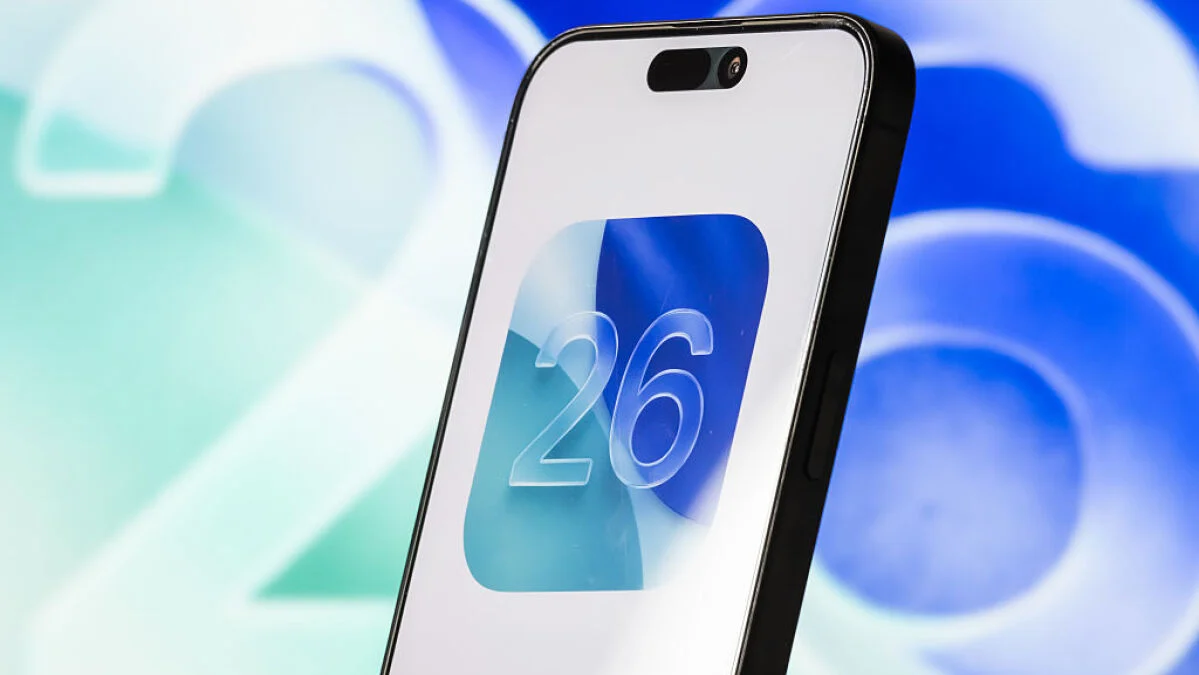
Apple has released fresh figures showing that a majority of its active devices are now running the latest version of its mobile software, iOS 26, underscoring the continued pace of upgrades across the iPhone ecosystem.
According to data based on devices that transacted on the App Store on February 12, 2026, Apple says 66 % of all iPhones are running iOS 26 a notable milestone for the operating system released in September 2025. The figures also show 74% of iPhones introduced in the last four years are on iOS 26, suggesting stronger adoption among newer hardware.
The statistics, shared by Apple through developer support channels and reported by MacRumors, also reveal similar adoption trends in the iPad ecosystem: 66% of iPads introduced in the last four years are running iPadOS 26, and 57% of all iPads measure on the latest software version.
Compared with adoption for Apple’s prior major system release, iOS 18, the figures appear roughly comparable, though analysts caution that iOS 26 has been available for a slightly longer period before this measurement. At a similar point after iOS 18’s release, roughly 68% of iPhones were running that version, suggesting iOS 26 uptake among the broad installed base is slightly slower but still robust.
Industry observers have noted that the adoption rate for iOS 26 lagged behind early third-party estimates in January, with some analytics from StatCounter and other services suggesting it sat nearer 50 % at that time a figure influenced by measurement limitations and user reluctance to update immediately. However, Apple’s own metrics based on actual App Store activity provide a clearer picture of usage patterns across its platforms.
The ongoing rollout of iOS 26 follows its launch alongside Apple’s Liquid Glass design language, which represents the first major UI overhaul for iPhone software in years and introduces a more translucent, content-focused visual style shared across Apple devices.
Experts say strong adoption rates are important for Apple’s ecosystem strategy, especially as features like improved security, enhanced Siri capabilities and deeper system-wide AI integrations are tied to newer software versions. They also influence developers’ decisions about which API features and performance enhancements to support when building apps for the App Store.
Apple typically updates its adoption figures periodically, and as newer iterations of iOS and iPadOS roll out throughout the year including incremental updates and performance improvements these figures are expected to continue rising.
Paul Balo is the founder of TechBooky and a highly skilled wireless communications professional with a strong background in cloud computing, offering extensive experience in designing, implementing, and managing wireless communication systems.
We use cookies to ensure that we give you the best experience on our website. If you continue to use this site we will assume that you are happy with it.