Apple’s WWDC 2025 follow‑up has drawn sharp attention to the company’s deliberate, long‑game AI approach. Instead of flashy upgrades, Apple opted for incremental, everyday AI tools—emphasising refinement and privacy—while shelving its next‑gen Siri until spring 2026.
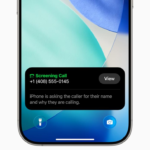
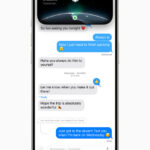
Analysts praised Apple’s “tortoise strategy,” recognizing its commitment to on‑device intelligence that enhances usability without compromising privacy. Features like call screening, conversational live translation, and a coach‑style Workout Assistant for Apple Watch reinforce the ecosystem’s coherence and build user trust . These practical implementations may not dazzle, but they are deeply thoughtful.
Yet investors responded with noticeable concern. Apple’s stock plunged nearly 1.5 percent post‑WWDC—erasing tens of billions in market value—as the delayed Siri upgrade sparked fears the company may be slowing in the AI arms race, especially compared to competitors like Google and OpenAI .
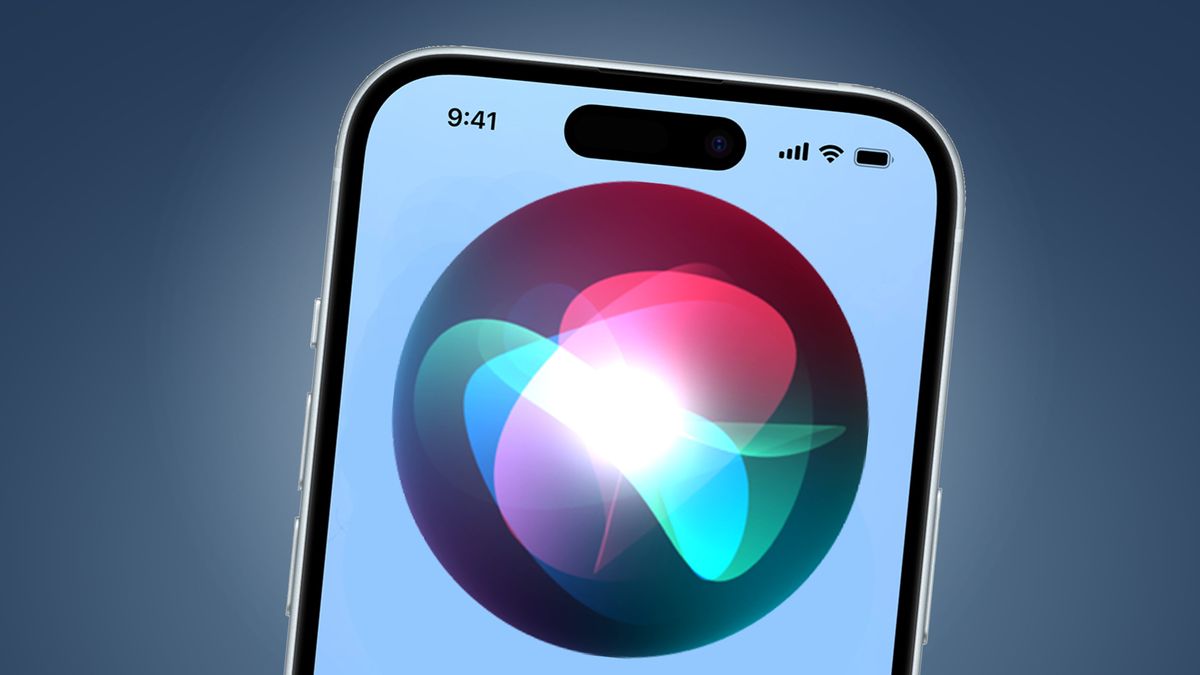
The postponed Siri refresh, now scheduled for spring 2026, underscores Apple’s desire to deliver a polished experience. Bloomberg reports key updates—like contextual awareness and multimodal interfaces—won’t debut until iOS 26.4 next year, reinforcing Apple’s cautious rollout. Whether this patience pays off remains to be seen.
Apple’s approach remains rooted in maturity over momentum. Its on-device AI features may lack flash, but they deliver consistency, speed, and privacy—all within Apple’s ecosystem. The Siri delay is a red flag for timing, but not necessarily a flaw in execution. As WWDC’s dust settles, the story becomes one of measured evolution rather than revolution.
Paul Balo is the founder of TechBooky and a highly skilled wireless communications professional with a strong background in cloud computing, offering extensive experience in designing, implementing, and managing wireless communication systems.
We use cookies to ensure that we give you the best experience on our website. If you continue to use this site we will assume that you are happy with it.