NASA’s Artemis II mission is now underway, marking the first crewed flight in the agency’s new lunar exploration program and the first human trip into deep space since Apollo.
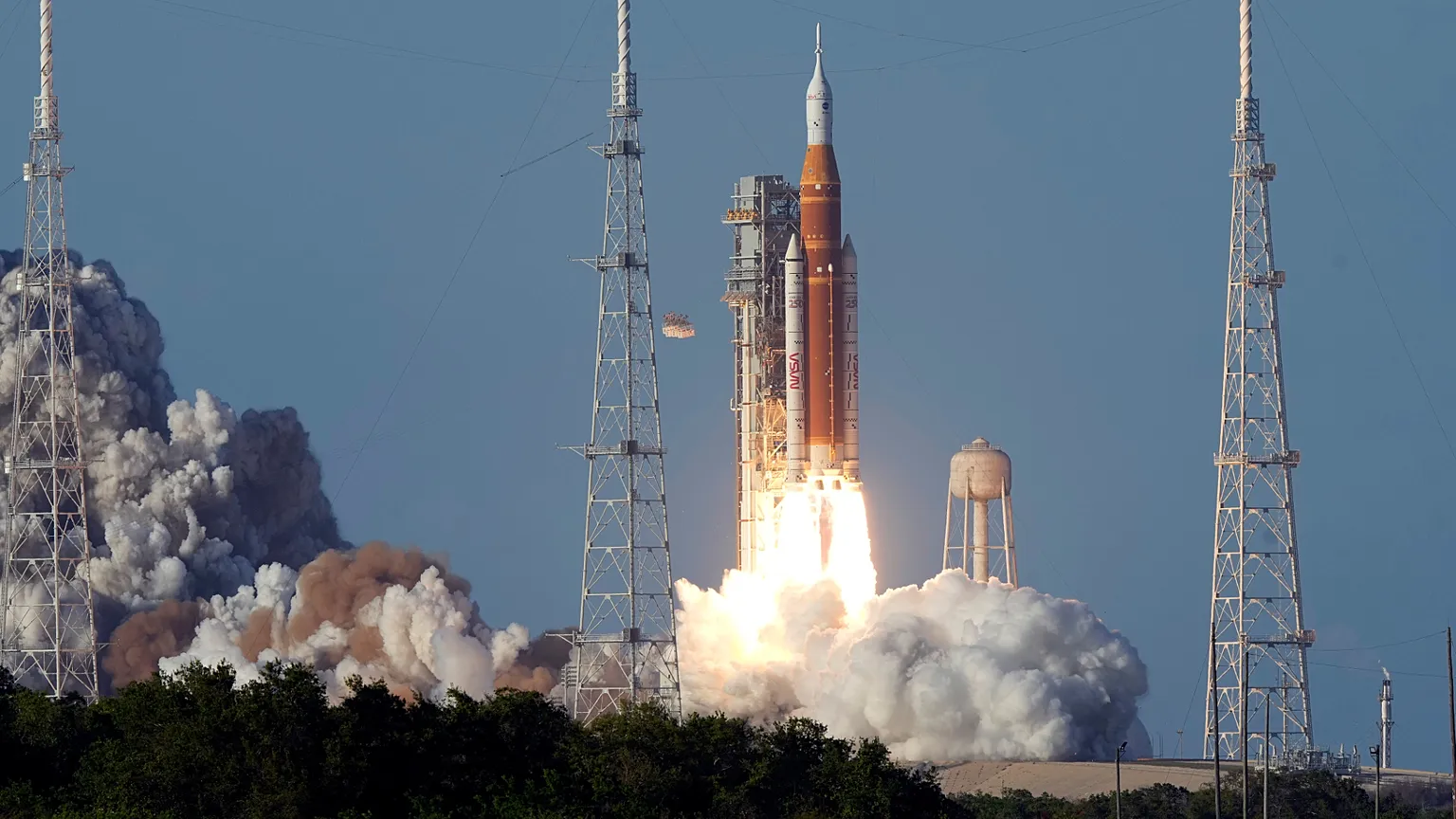
The mission lifted off on April 1 at 6:35PM Eastern from Launch Complex 39B at Kennedy Space Centre in Florida. Riding NASA’s Space Launch System (SLS) rocket and Orion spacecraft, the four-person crew is set for a 10-day journey that will loop around the Moon before returning to Earth.
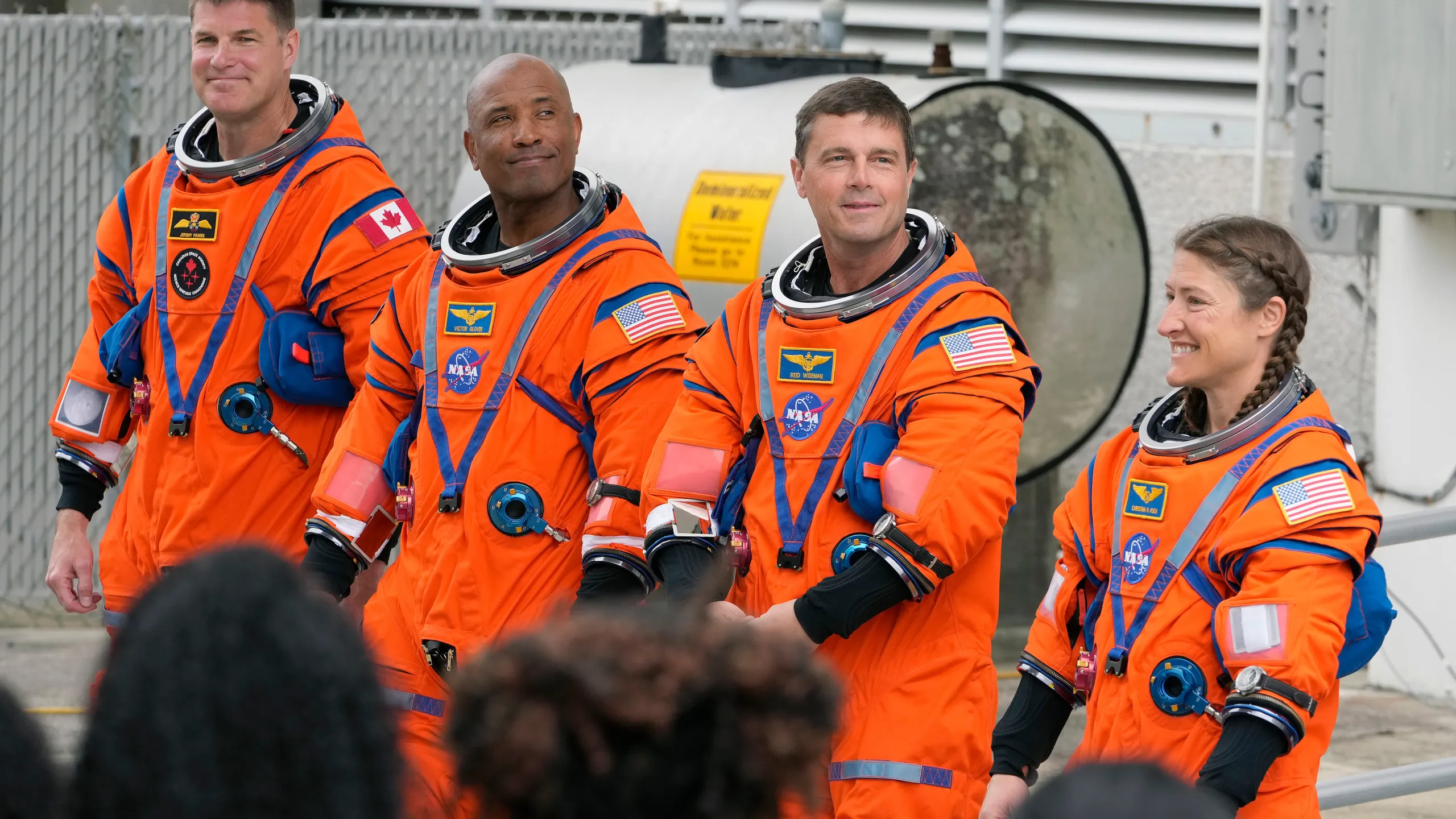
On board are NASA astronauts Reid Wiseman, Victor Glover and Christina Koch, along with Canadian Space Agency astronaut Jeremy Hansen. Artemis II is the first time a crew has flown on the SLS-Orion system, and it is designed to validate the hardware and operations that will underpin future missions aimed at landing humans on the lunar surface.
Within the first hours of flight, the crew reported seeing striking views of Earth from deep space, an early reminder of how far the mission has already travelled beyond low Earth orbit. Those first hours also included a critical systems test and a minor technical problem.
By 10:43PM Eastern, the Orion capsule carrying the astronauts successfully separated from the upper stage of the SLS rocket. Following separation, NASA began what it calls a “proximity operations” test, with the crew manually flying Orion as though it were manoeuvring to dock with another spacecraft.
Victor Glover took manual control of the capsule to demonstrate and test how Orion would move and align for future docking scenarios. These tests are intended to inform how Orion will work with upcoming lunar landers planned by commercial partners including SpaceX and Blue Origin.
NASA shared an update confirming Orion’s successful separation and the start of these manual flying exercises, emphasizing that the crew is practicing the same kind of proximity operations they would use when approaching another spacecraft in lunar orbit.
Alongside these technical milestones, the crew also encountered an early issue with the spacecraft’s waste-management system. Artemis II is flying what NASA describes as the first fully featured toilet system installed for a deep-space mission. A problem was reported with that system a few hours into the flight.
The crew has a backup: waste collection bags similar to those used by Apollo astronauts decades ago, which were previously left on the lunar surface. Those bags now serve as a contingency option while the team and ground controllers assess the toilet system.
Artemis II is not intended to land on the Moon; instead, its objective is to prove that SLS and Orion can safely carry humans into deep space and bring them home. The mission is a key step in NASA’s broader Artemis program, which aims to return astronauts to the lunar surface using a combination of Orion, the SLS rocket and commercially developed lunar landers.
During the 10-day flight, Orion will travel around the Moon and then head back toward Earth, testing navigation, life-support and crew operations in the deep-space environment. These tests will feed directly into planning for later Artemis missions designed to land crews on the Moon using landers under development at SpaceX and Blue Origin.
The mission will conclude with a splashdown of Orion and the four astronauts in the Pacific Ocean, currently expected on April 10, pending mission conditions. Recovery teams will retrieve the capsule and crew, closing out the first crewed test of NASA’s new lunar exploration infrastructure.
NASA is streaming key mission moments, including the activities from the first hours of flight, as Artemis II continues its path toward a lunar flyby and return to Earth.
Paul Balo is the founder of TechBooky and a highly skilled wireless communications professional with a strong background in cloud computing, offering extensive experience in designing, implementing, and managing wireless communication systems.
We use cookies to ensure that we give you the best experience on our website. If you continue to use this site we will assume that you are happy with it.