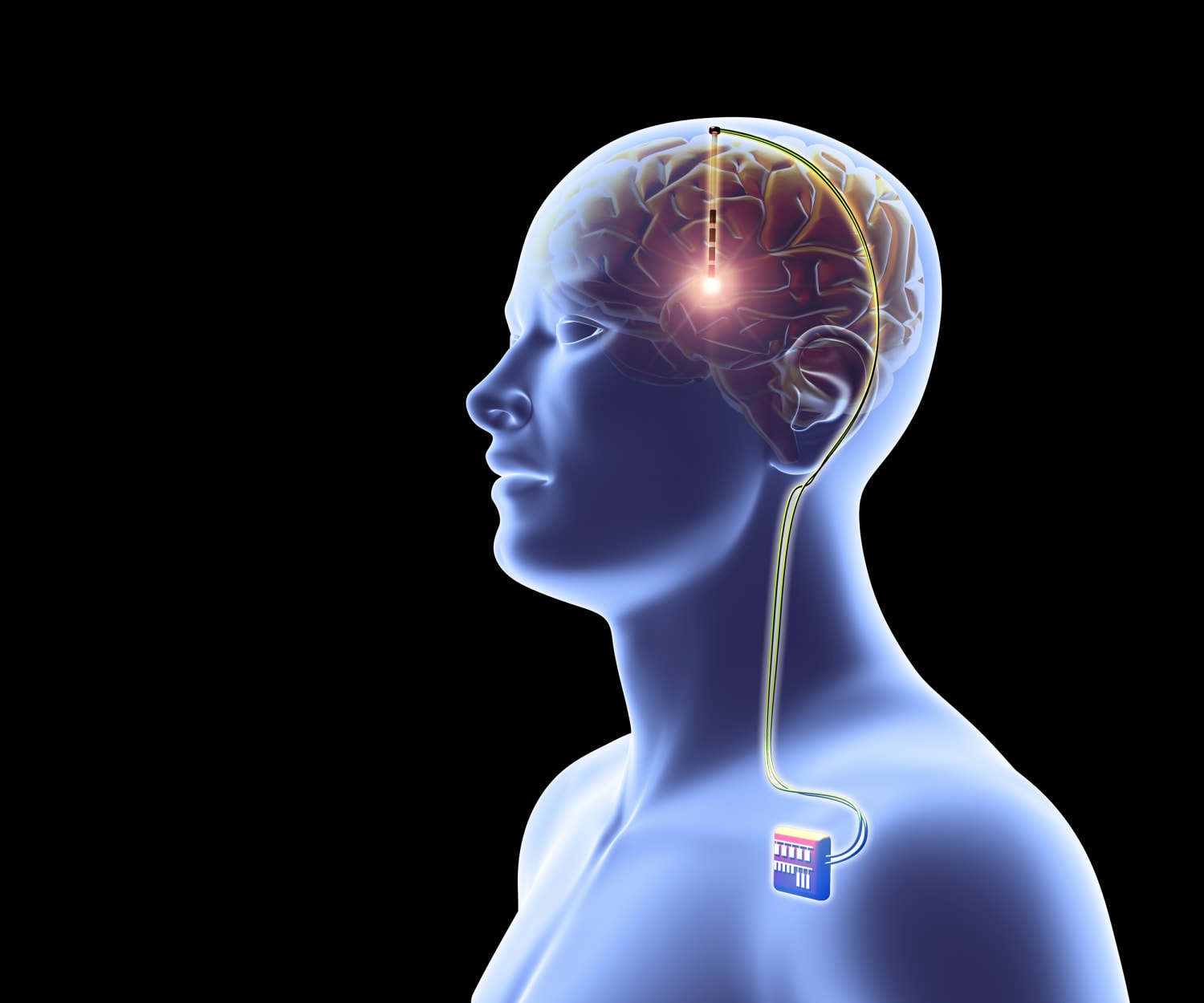
The approval allows a device developed by Chinese neurotechnology company Neuracle to be used clinically, making it one of the first brain implants in the country cleared for broader commercial application.
Brain-computer interface systems work by translating electrical signals from the brain into commands that can control external devices such as computers, prosthetics, or robotic limbs.
The implantable system approved in China is designed to help patients with spinal cord injuries regain motor function, particularly the ability to move their hands or control assistive devices.
The technology works by placing small electrodes in the brain that capture neural signals related to movement. These signals are then decoded by software and translated into commands that can control devices such as robotic gloves or computer interfaces.
Early testing of the device has reportedly involved dozens of patients, with engineers fine-tuning the system to adapt to each individual’s unique neural patterns.
The regulatory approval underscores China’s growing ambition to become a leader in brain-computer interface technology, an area that has attracted significant investment worldwide.
The field has gained global attention partly due to companies like Neuralink, which has been developing implantable chips designed to allow humans to interact directly with computers using neural signals.
China has been accelerating its own efforts, supported by government initiatives and research programs aimed at developing next-generation neurotechnology and brain-inspired computing systems.
Researchers say the country now has multiple clinical trials underway for brain-computer interfaces, exploring both invasive implants and non-invasive wearable systems.
Brain-computer interface technology is widely seen as one of the most promising frontiers in medical and computing innovation.
Beyond restoring mobility to patients with paralysis, future applications could include:
Helping people with neurological disorders communicate
Enabling control of prosthetic limbs through thought
Allowing humans to interact directly with computers or augmented-reality systems
China’s approval of a commercial brain implant represents an important milestone in turning this research into real-world medical treatments.
As the technology advances, companies and governments around the world are racing to develop safer and more capable neural interfaces that could redefine how humans interact with machines.
Paul Balo is the founder of TechBooky and a highly skilled wireless communications professional with a strong background in cloud computing, offering extensive experience in designing, implementing, and managing wireless communication systems.
We use cookies to ensure that we give you the best experience on our website. If you continue to use this site we will assume that you are happy with it.