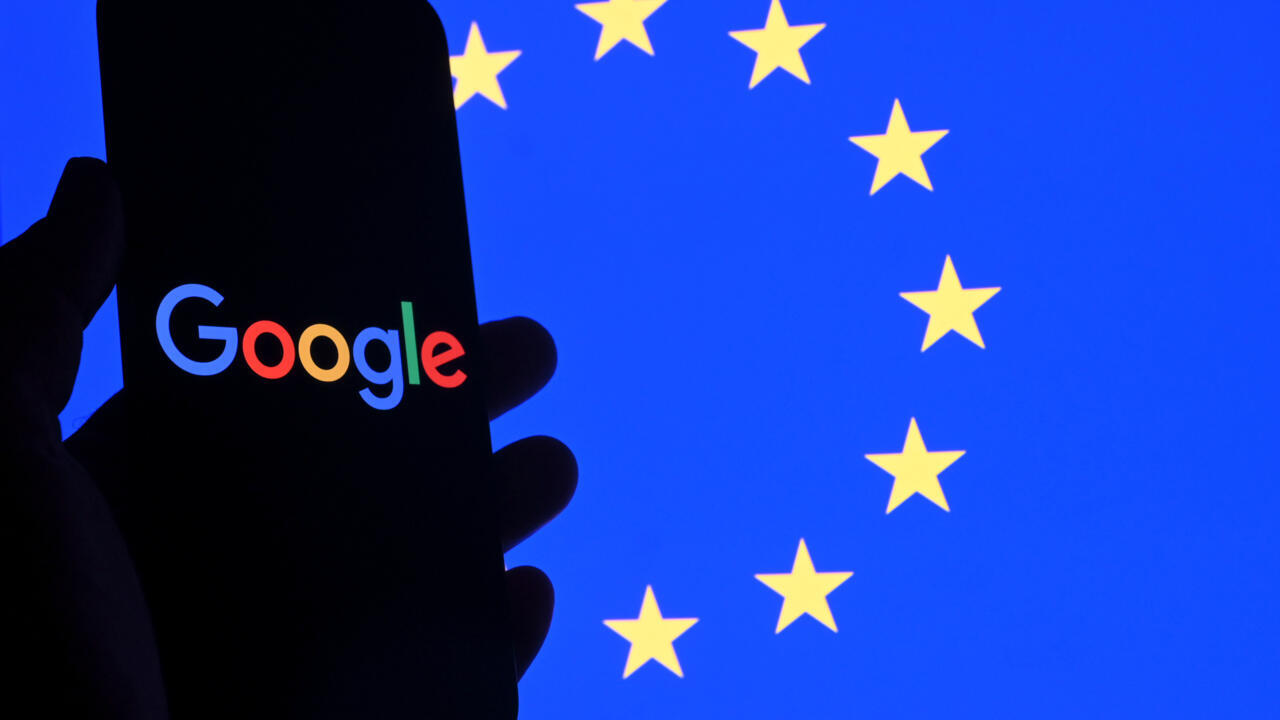
Again, Google is under EU antitrust investigation for using YouTube videos and online content from publishers to train its AI models.
The European Commission is looking into whether Google uses YouTube videos and publishers’ content for AI Overviews without providing well enough sufficient compensation or giving creators the ability to opt out without affecting their visibility in search results. Whether Google is misusing its search influence and position to enforce unfair business conditions that negatively impact the content ecosystem is the fundamental question. The investigation is said to come after organisations like the Independent Publishers Alliance filed a complaint in July 2025. If Google is found to have violated EU antitrust laws, it could be fined up to 10% of its yearly global revenue. After a recent inquiry into Meta’s AI aspirations, this is one of numerous recent EU enquiries of U.S. Big Tech and AI.
The European Commission’s second inquiry into Google in less than a month highlights growing concerns about Big Tech’s influence in emerging technologies that could keep competitors out while also escalating tensions with the United States because EU laws passed in recent years have become a source of friction with Washington.
The EU competition regulator expressed concern that Google might be exploiting online content from publishers for its AI-generated summaries, or “AI Overviews,” without providing them with sufficient compensation or the opportunity of rejection as the case maybe.
Also It had voiced similar worries about Google’s usage of user-uploaded YouTube videos.
Teresa Ribera, the head of the EU antitrust, stated on Tuesday that “Google may be abusing its dominant position as a search engine to impose unfair trading conditions on publishers by using its online content to provide its own AI-powered services.”
Teresa also stressed the value of a robust information ecosystem backed by publishers, saying that gatekeepers shouldn’t control decisions.
“Publishers must have the means to create high-quality content in order for the information ecosystem to be healthy”. She continued further stating that, “they won’t let gatekeepers determine those decisions”.
The EU probe began in July after Google dismissed the independent publications’ concerns.
A Google representative stated, “This complaint risks stifling innovation in a market that is more competitive than ever.”
According to the Google representative, “Europeans deserve to benefit from the latest technologies and we will continue to work closely with the news and creative industries as they transition to the AI era.”
The Google representative went further ahead to defend their actions, claiming that they will continue to collaborate with creative sectors and that the complaint might hamper innovation. Google has been accused of “stealing content from publishers to inform their models and then using these outputs to steal traffic from them” by critics such as the Movement for an Open Web.
Google was attacked by the Independent Publishers Alliance, the British non-profit Foxglove, and the Movement for an Open Web, which is made up of digital publishers and marketers.
“Google is said to have violated the terms of the internet’s foundation. It was agreed that websites would be retrieved, indexed, and shown when they were pertinent to a query. Tim Cowen, a lawyer who counsels the groups, contributed by stating it clear that, “Everyone had a chance.”
“It now prioritises its AiO, Gemini, and exacerbates the situation by using website material to train Gemini. Cowen continued saying that, “Search’s evil twin is Gemini.”
Users in more than 100 countries now sees AI Overviews, which are summaries created by AI that are shown to be above conventional hyperlinks to pertinent webpages. Last May, it started incorporating ad commercials into AI Overviews.
Also following an investigation that was spurred by publishers, Google’s spam policy is also under scrutiny from the EU where it was found to be guilty of violating EU antitrust laws, the corporation might be fined up to 10% of its annual global revenue.
The European Commission also began looking into Meta’s intentions to prevent AI competitors from using its WhatsApp messaging service last week, highlighting growing regulatory scrutiny.
We use cookies to ensure that we give you the best experience on our website. If you continue to use this site we will assume that you are happy with it.