France’s push to keep minors off social media could expand beyond platforms themselves to the tools young users might use to bypass restrictions. During an appearance on public broadcaster Franceinfo, Minister Delegate for Artificial Intelligence and Digital Affairs Anne Le Hénanff said virtual private networks (VPNs) are “the next topic” on her list as the government advances a proposed ban on social media use for anyone under 15. This is one year younger than the Australian one which was recently passed into law.
“If [this legislation] allows us to protect a very large majority of children, we will continue. And VPNs are the next topic on my list,” Le Hénanff said.
A VPN can mask a user’s location or route traffic in ways that could make it easier for under-15 users in France to circumvent a social media ban. But VPNs are also widely used for privacy and security, raising concerns that any move to limit them or to tie their use to identity checks could come with broader consequences for adult users as well.
The mention of VPNs comes as France’s social media restriction is still moving through the legislative process. France’s National Assembly voted in favour of the under-15 social media restrictions last week, with a 116–23 result, sending it forward for discussion in the Senate.
Le Hénanff’s comments don’t confirm that France will ban VPNs or impose specific limits on any group. Still, they indicate some policymakers are considering additional steps to prevent minors from bypassing age-based access rules.
Elsewhere, similar debates have followed age-gating policies. In the UK, VPNs reportedly saw a spike in popularity last year after laws targeting age restrictions on content were passed an example often cited as a predictable side effect when access controls tighten.
Any approach that relies heavily on age verification can collide with privacy expectations. The source report notes that requiring users to submit personal data to prove their age can undermine a major reason people use VPNs in the first place: limiting how much personal information is exposed online.
In addition, broader concerns about how age-check systems handle sensitive data have emerged in other countries. In the US, 25 state-level laws introducing age verification have been proposed over the past two years, raising questions about the lack of standardisation for how personal information would be collected and protected. With data breaches already common, critics argue that new age-verification systems built by individual sites and services could create fresh targets for hackers.
Critics also reacted to Le Hénanff’s remarks with worry that child-protection measures could tip toward more authoritarian controls, according to the report.
Paul Balo is the founder of TechBooky and a highly skilled wireless communications professional with a strong background in cloud computing, offering extensive experience in designing, implementing, and managing wireless communication systems.
We use cookies to ensure that we give you the best experience on our website. If you continue to use this site we will assume that you are happy with it.


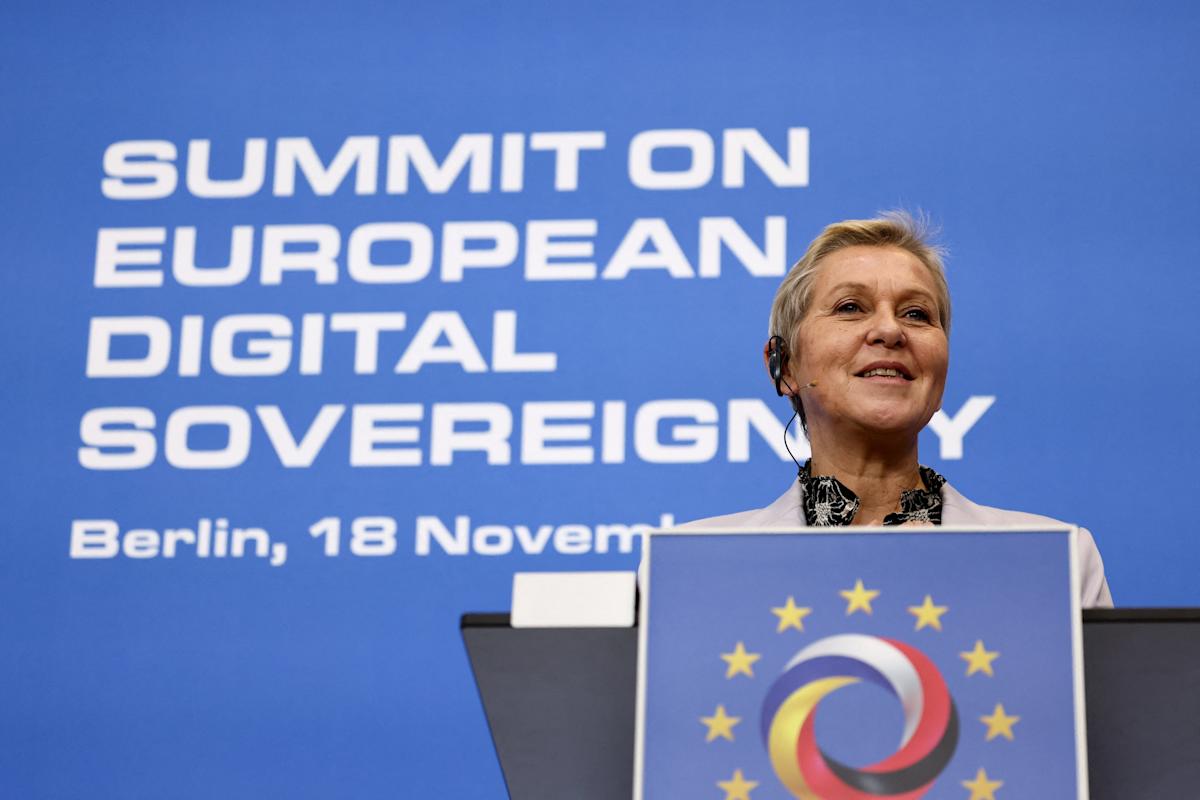 France’s push to keep minors off social media could expand beyond platforms themselves to the tools young users might use to bypass restrictions. During an appearance on public broadcaster Franceinfo, Minister Delegate for Artificial Intelligence and Digital Affairs Anne Le Hénanff said virtual private networks (VPNs) are “the next topic” on her list as the government advances a proposed ban on social media use for anyone under 15. This is one year younger than the Australian one which was recently passed into law.