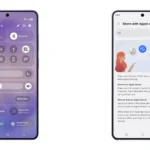
Samsung’s 2026 flagship phones double down on on-device intelligence, upgraded cameras and smarter assistants pre-orders open now, shipping March.
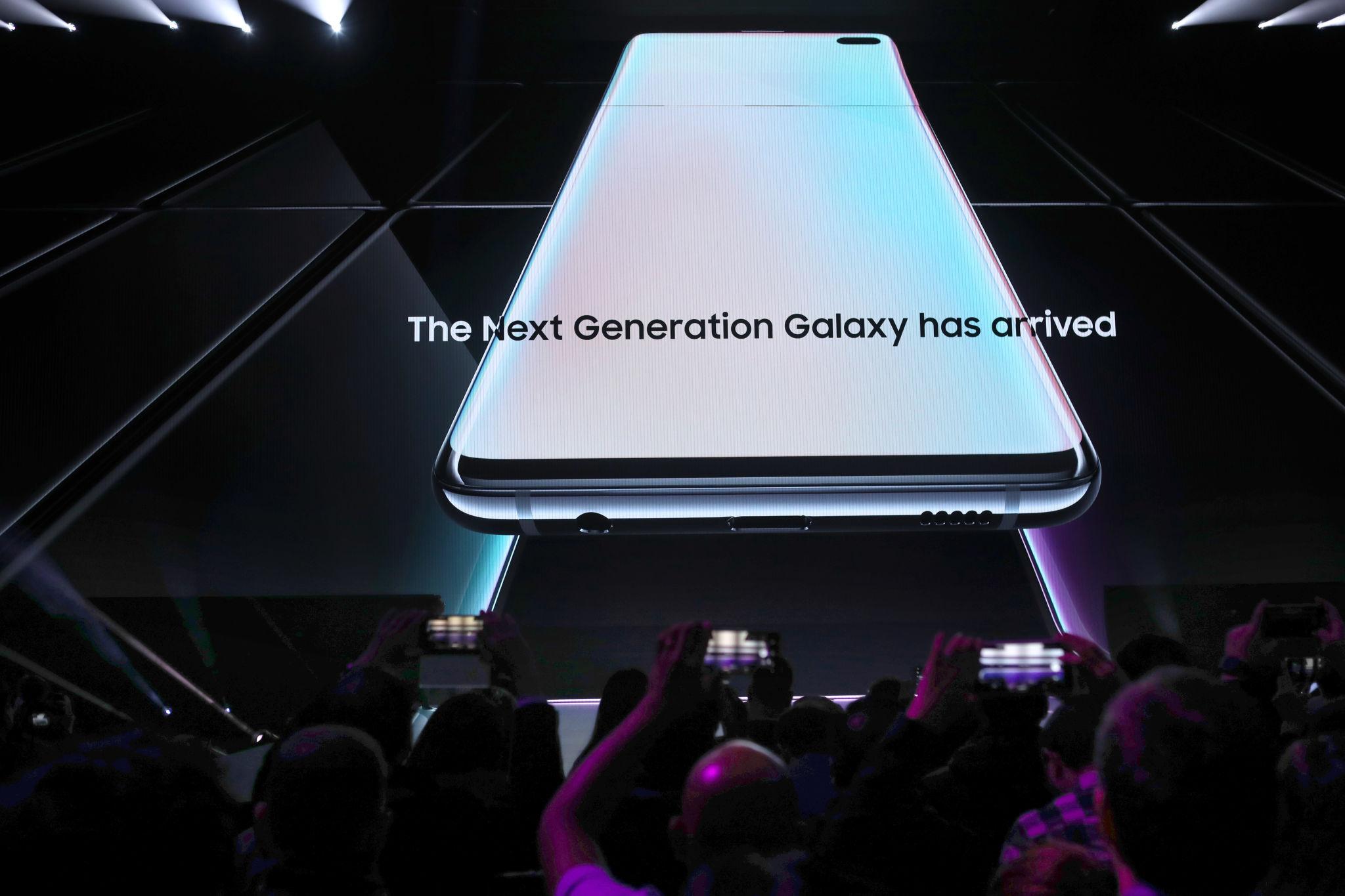
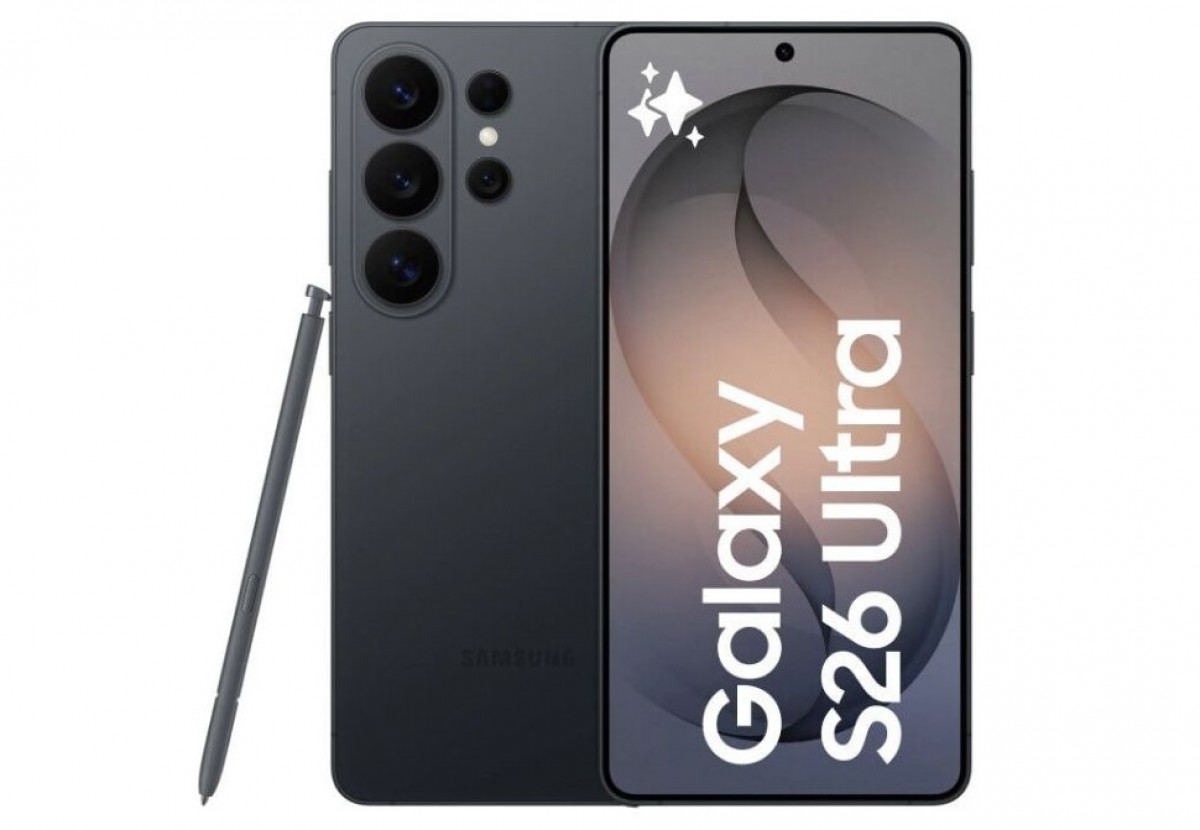
Samsung has officially introduced the Galaxy S26 series at its Galaxy Unpacked event, revealing the Galaxy S26, S26+ and S26 Ultra starting at $899, a line-up built around a much bigger idea than hardware alone; turning the smartphone into an always-active AI companion.
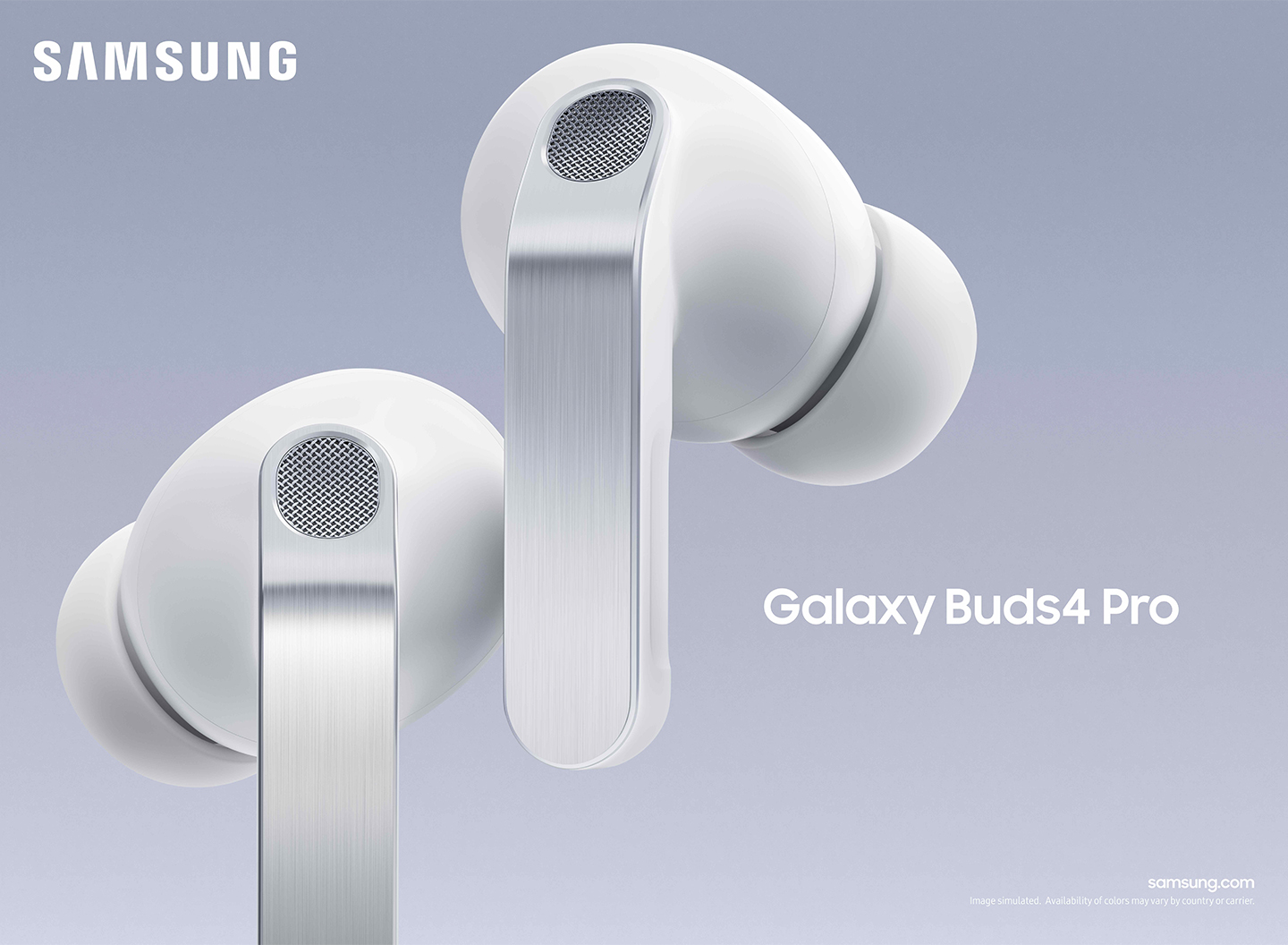
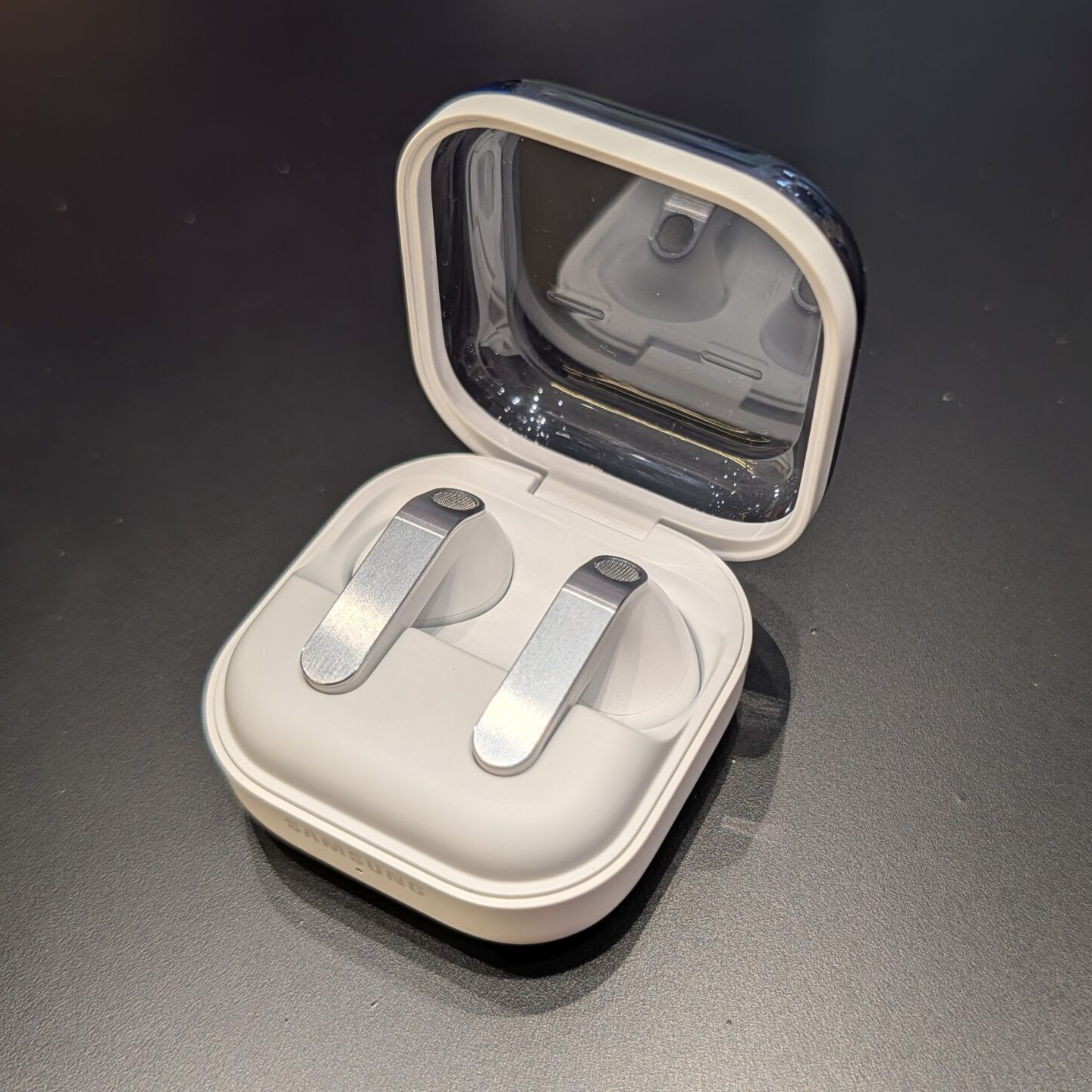
The company also announced the new Galaxy Buds4 earbuds, designed to work closely with the phones’ AI features. But the real story of this year’s launch isn’t megapixels or processor speed it’s context-aware computing. Samsung wants your phone to anticipate what you need before you ask.
An AI phone that acts, not just responds
Samsung is pushing its “Galaxy AI” platform far beyond last year’s features. The S26 line-up introduces proactive suggestions across the system what Samsung describes as an assistant that watches patterns, understands habits, and surfaces actions automatically.
Instead of opening apps, users get prompts:
Boarding pass when you reach the airport
Translation tools during conversations
Photo edits suggested immediately after shooting
Calendar or message drafting based on context
The phone now blends multiple assistants. Samsung’s Bixby, Google Gemini and partner AI services each handling different tasks rather than competing for attention.
The result feels less like an app feature and more like an operating system behaviour shift: the phone is meant to act continuously in the background.
Despite the software-heavy story, Samsung upgraded the hardware across the board.
The Galaxy S26 Ultra introduces one of the most unusual features in years: a built-in privacy display mode. The screen reduces visibility at side angles, making it harder for nearby people to read your messages on public transport or in meetings.
Across the line-up:
Slimmer and lighter design
Brighter AMOLED displays with adaptive refresh rate
Improved cooling for sustained performance
Larger batteries and faster charging
Upgraded camera processing powered by AI
The Ultra continues Samsung’s camera dominance strategy, pairing high-resolution sensors with computational photography improvements rather than relying purely on optics.
Low-light photography and motion stabilization see noticeable gains thanks to real-time AI processing on the device.
Cameras: software finally overtakes megapixels
Samsung’s camera story this year focuses on understanding scenes rather than capturing them.
After taking a photo, the phone can:
Suggest object removal
Reframe images automatically
Enhance faces or lighting based on detected conditions
Generate short highlight clips from video recordings
Instead of manual editing, the camera experience becomes more like reviewing an already-edited album.
For creators, Samsung is positioning the S26 as a mobile production tool especially for social video, where fast turnaround matters more than RAW flexibility.
Galaxy Buds4 become the AI gateway
The new Galaxy Buds4 and Buds4 Pro are no longer just audio accessories. They act as a voice interface for the phone’s AI system.
You can ask questions, summarise messages, translate conversations or control apps hands-free without touching the device. Samsung is effectively moving the assistant out of the phone and into the environment around you.
This hints at a longer-term goal: ambient computing where interaction happens through speech rather than screens.
Pricing and availability
Samsung confirmed global rollout beginning in March, with pricing starting in the premium flagship range similar to last year’s models.
Galaxy S26: $899
Galaxy S26+: $1,099
Galaxy S26 Ultra: about $1,299
For the past decade, smartphones improved through hardware cycles better screens, faster chips, larger sensors.
The Galaxy S26 marks a shift. The phone’s value is no longer just what it can do, but what it decides to do for you.
Samsung isn’t selling a device upgrade this year. It’s selling behaviour change.
If it works, you’ll spend less time navigating apps and more time approving suggestions turning the smartphone from a tool into an assistant.
And that may be the biggest smartphone transition since touchscreens replaced keyboards.
Paul Balo is the founder of TechBooky and a highly skilled wireless communications professional with a strong background in cloud computing, offering extensive experience in designing, implementing, and managing wireless communication systems.
We use cookies to ensure that we give you the best experience on our website. If you continue to use this site we will assume that you are happy with it.