A great improvement, as millions of people throughout the continent will now have greater access to tools like AI Overviews and AI Mode thanks to Google’s rollout of support for 13 African languages across its AI-powered search capabilities.
Afrikaans, Sesotho, Setswana, and isiZulu are among the newly supported languages for South Africa, and Yoruba and Hausa for Nigeria, and others, enabling users to search and communicate with AI in their language of choice rather than only English.
What this means is that the Yorùbá and Hausa languages in Nigeria are now supported by Google’s AI-powered search features. The same goes for other African languages spoken in other African countries on the African continent.
Taiwo Kola-Ogunlade, Google’s Communications and Public Affairs Manager for West Africa, made this claim in a statement on Thursday.
According to Taiwo, the update made it possible for users of the two Nigerian languages to access AI-powered search experiences in their native tongue for conversational exploration and brief summaries.
The manager stated that the growth was a component of Google’s larger initiative to increase AI’s inclusivity throughout Africa.
According to Kola-Ogunlade, this means that more Nigerians and people in the world, wherever they may be, would be able to use the search in their native tongues while looking for information online thanks to the change.
For example, a student in Kano could now make enquiries in Hausa, while a shopkeeper in Ibadan could ask questions in Yorùbá, he continued.
This also means that other African indigenes, wherever they may be, will also be able to use the search in their native tongues while looking for information online.
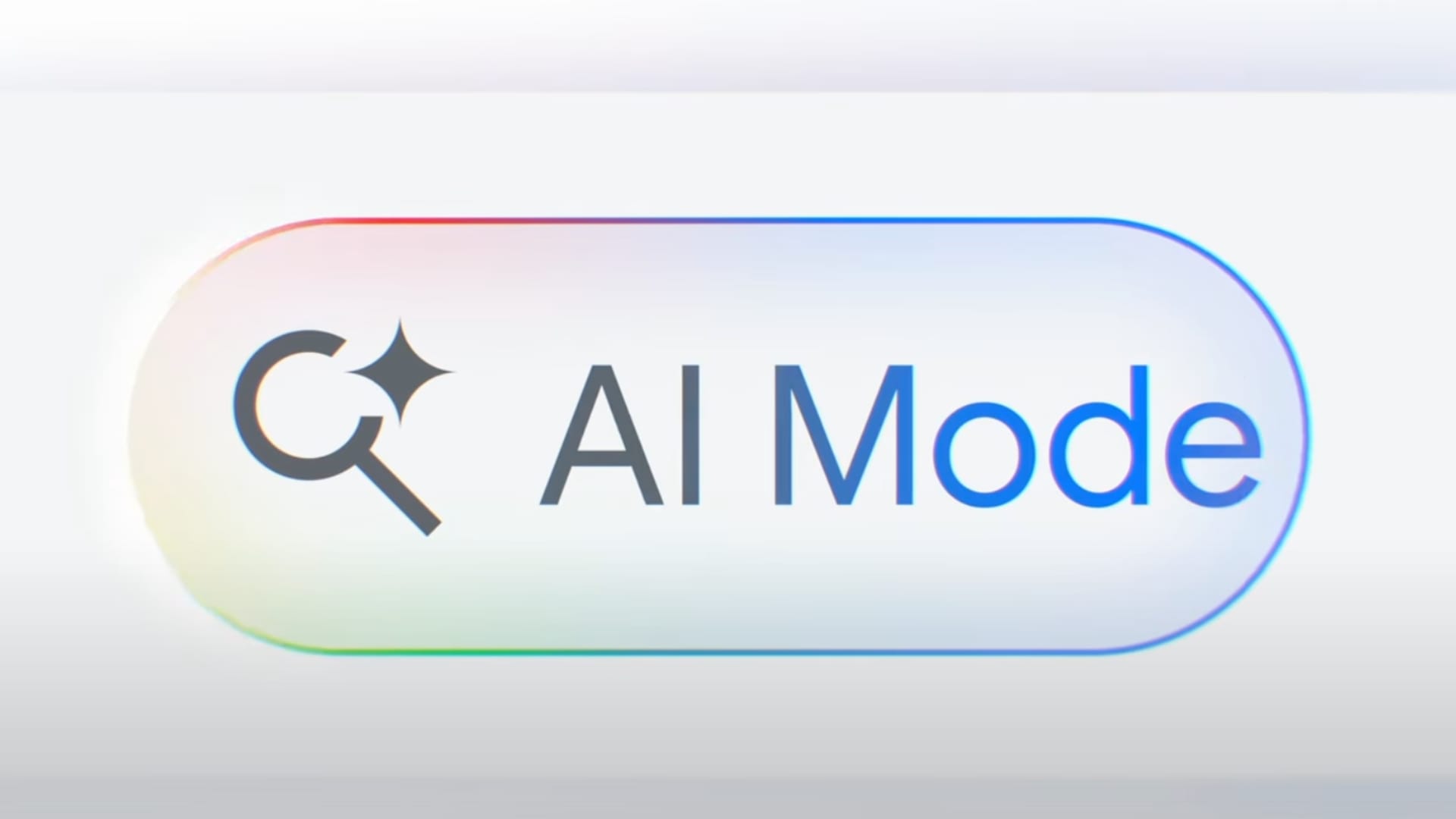
At the top of search results, AI Overviews offers readers a succinct, AI-generated synopsis along with connections to pertinent sources. By posing follow-up queries using text, voice, or photos, AI Mode enables users to go further into search topics.
“Millions of people whose first languages reflect a different culture, identity, and way of understanding information are marginalised when technology only speaks a dominant international language like English,” according to Kabelo Makwane, country director for Google South Africa.
“A lot of today’s technology doesn’t speak African languages, despite the fact that Africans are building, creating, and innovating in every field.” We’re assisting individuals in interacting with AI naturally, in the languages that influence their thought processes and creative output, by incorporating additional African languages into AI Overviews and AI Mode.
The extension is based on ideas from Google’s Waxal language project, which enhances how AI systems comprehend and produce African languages by combining machine learning, linguistic study, and community cooperation.
The project’s goal of making digital communication more accessible and locally relevant is reflected in the name Waxal, which means “to speak” in Wolof.
Students, educators, translators, business owners, and regular users will be able to interact more actively with AI products in their native tongues thanks to Google’s new support.
It states that communities in South Africa, Nigeria, Ethiopia, Kenya, Ghana, Rwanda, Tanzania, Botswana, Senegal, and Somalia were the focus of intense search efforts throughout Sub-Saharan Africa.
Makwane asserts that “no one should be excluded from the AI economy because their first language isn’t English.” “AI becomes a driver of inclusive growth when Africans can search, learn, and build in their own languages.”
By choosing AI Mode and entering or uttering their inquiry in one of the supported languages, users can access the new features via a mobile browser or the Google mobile app.
Afrikaans, Akan, Amharic, Hausa, Kinyarwanda, Afaan Oromoo, Somali, Sesotho, Kiswahili, Setswana, Wolof, Yorùbá, and isiZulu are the newly supported languages.
In the meantime, a variety of methods were used. Lelapa AI worked with Way With Words and the University of Pretoria’s Data Science for Social Impact to offer a framework devoted to AI ethics and inclusiveness in an attempt to guarantee that the linguistic variety of the continent is reflected.
Lelapa AI called it the Esethu Framework. The model aims to ensure African language speakers both contribute to AI research and benefit from its growth.
It is a sustainable data curation paradigm that guarantees continuous reinvestment in new African language datasets while granting African communities more control over their linguistic data.
Neda Smith, chartered CIO of Agile Advisory Services, stated at the ITWeb Artificial Intelligence Summit last year that millions of Africans are shut out of the digital world due to AI systems’ failure to incorporate African languages.
“Creating a truly global search necessitates a sophisticated grasp of local knowledge and goes far beyond translation.
We have achieved significant progress in language comprehension thanks to the sophisticated multimodal and reasoning capabilities of our customised version of Gemini in search.
This guarantees that our most sophisticated AI search features are applicable locally and helpful in every new language we offer.
Taiwo Kola-Ogunlade stated that this is about making sure Nigerians can communicate with search in their mother tongues, making information more helpful for everyone.”
Kola-Ogunlade added that users can now ask complex questions in their preferred language, using text or voice, for a more natural web exploration experience.
Smith also pointed out how urgent it is to advance AI innovation in African languages.
We use cookies to ensure that we give you the best experience on our website. If you continue to use this site we will assume that you are happy with it.