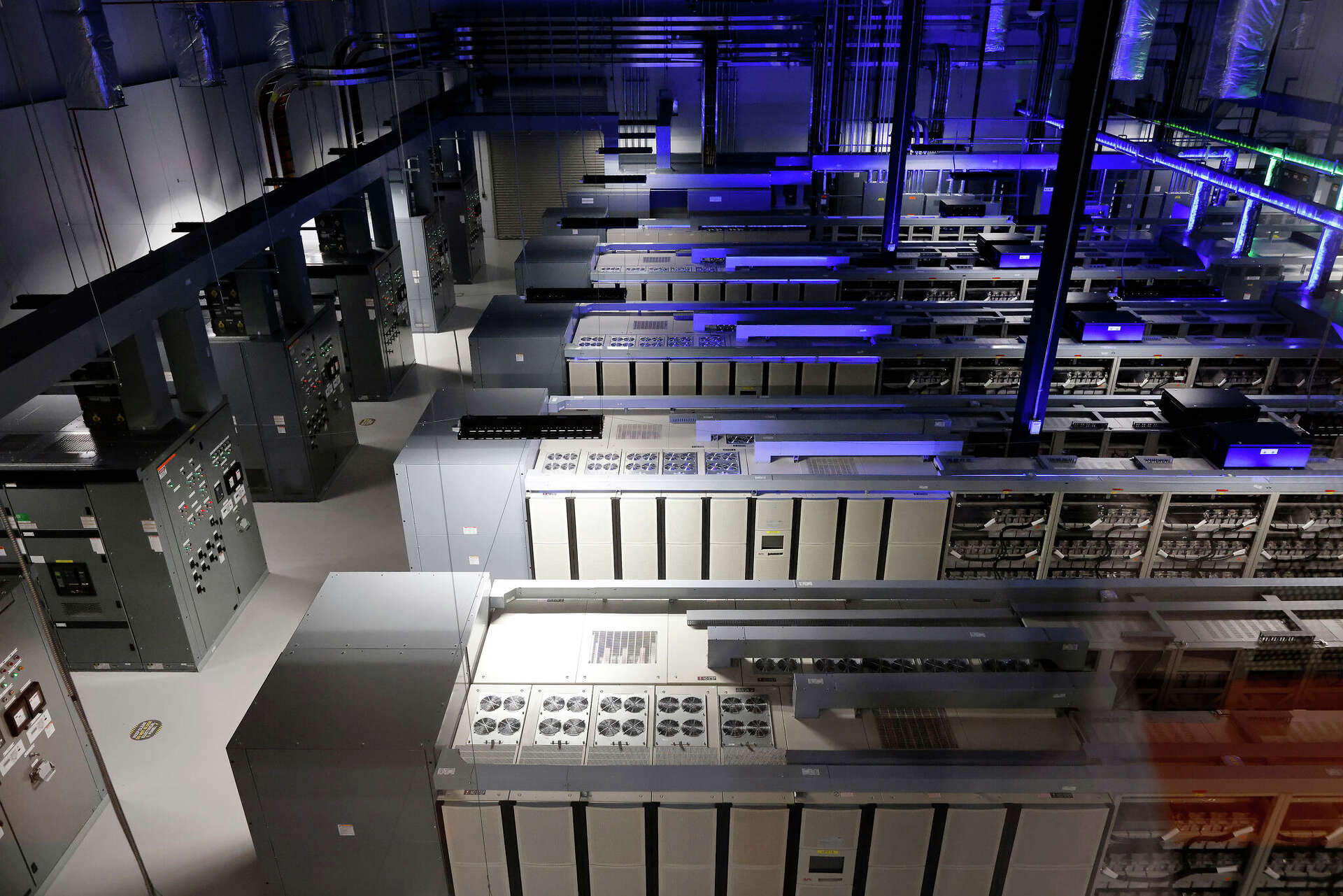
Google is building another data centre in Texas and says it will sharply curb the facility’s water use by relying on “advanced air-cooling technology” instead of traditional water-heavy systems. According to the company, water consumption at the new site is expected to be limited to “critical campus operations” such as kitchens.
The project is part of Google’s previously announced two-year, $40 billion investment in Texas, which spans data centres and related infrastructure. Alongside the new build, Google says it has contracted with utility providers for around 7,800 megawatts of net energy generation and capacity to be added to the Texas power grid.
Google’s emphasis on air cooling and reduced water reliance comes at a time when large-scale data centres are drawing growing scrutiny across the United States. Communities in multiple states are pushing back on new data centre projects over concerns that they strain local power networks, contribute to higher electricity bills and add to global greenhouse gas emissions.
Critics have also focused on the amount of fresh water many data centres use for cooling. Against that backdrop, Google is positioning the Texas facility as a more resource-conscious model, at least on water consumption, by shifting most of the cooling load to air-based systems and limiting water usage to essential non-cooling functions on the campus.
The wider debate over the environmental impact of AI and cloud infrastructure has also put tech leaders’ views in the spotlight. OpenAI CEO Sam Altman has publicly dismissed data centre water worries as “fake,” arguing, in his words, that “it also takes a lot of energy to train a human.” His comments sit in contrast to the kinds of water-saving commitments Google is highlighting with its Texas plans.
As pressure mounts to manage the footprint of fast-expanding AI and cloud computing, some in the tech industry have floated ambitious alternatives. A growing number of voices, including Tesla CEO Elon Musk, have suggested that building data centres in space could sidestep several of the land, water and power constraints facing facilities on Earth.
However, experts have warned that such off-planet infrastructure could carry its own serious environmental downsides. While details of those risks were not elaborated in the source material, concerns have been raised broadly about the potential environmental impact of moving large-scale infrastructure into space.
For now, Google’s Texas project underlines a more incremental path: retooling terrestrial data centres to use less water and securing new power capacity on existing grids, while public and regulatory debates over AI-era infrastructure continue to intensify.
Paul Balo is the founder of TechBooky and a highly skilled wireless communications professional with a strong background in cloud computing, offering extensive experience in designing, implementing, and managing wireless communication systems.
We use cookies to ensure that we give you the best experience on our website. If you continue to use this site we will assume that you are happy with it.