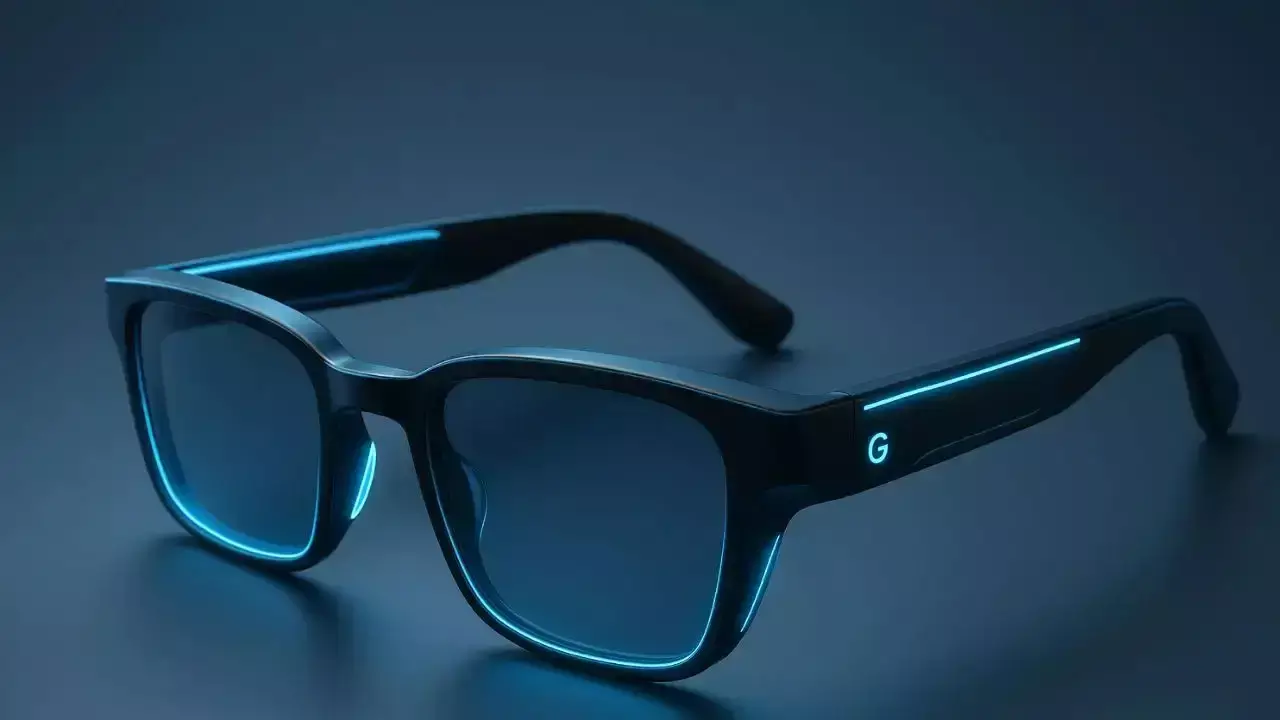
The announcement came during Google’s Android Show event, where the company shared details about two different types of glasses it’s working on. The first model is designed for screen-free assistance, using built-in speakers, microphones, and cameras to allow users to communicate with Gemini and take photos. Think of it as having a helpful assistant you can talk to without needing to pull out your phone or stare at a screen.
The second model goes a step further with an in-lens display that can show turn-by-turn directions or closed captioning. This display is only visible to the person wearing the glasses, so you won’t look like you’re staring at floating text in midair to everyone else. It’s designed to give you information right when you need it, without forcing you to look down at your phone or interrupt what you’re doing.
Warby Parker confirmed in a filing that the first glasses from its partnership with Google are expected to launch in 2026, with Google committing $75 million to support product development and commercialization costs. If certain goals are met, Google will invest another $75 million and take an ownership stake in Warby Parker. This shows just how serious Google is about getting the design and style right this time around.
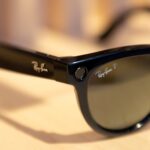
The timing of this announcement makes sense when you look at what’s happening in the smart glasses market. Meta has been having surprising success with its Ray-Ban smart glasses, which can take photos, play music, and now include smart features. The social media company’s glasses have proven that people are actually willing to wear smart glasses if they look normal and don’t make you stand out in a weird way.
Google co-founder Sergey Brin addressed the company’s past failures back in May when Google first hinted at these new glasses. He said Google learned from its mistakes with the original Glass, citing less advanced AI technology and a lack of supply chain knowledge that led to expensive prices. Brin believes the situation is different now because smart systems can do much more to help people without constantly bothering them with notifications and distractions.
The glasses will run on Android XR, which is Google’s operating system for wearable devices and headsets. This means developers who want to create apps for the glasses will have tools and resources from Google to work with. The company has already released Developer Preview 3 of the Android XR SDK, and companies like Uber and GetYourGuide have signed up as partners.
One interesting detail is that both types of glasses will connect to your smartphone, with most of the heavy processing happening on your phone rather than in the glasses themselves. This helps keep the glasses lightweight and extends battery life, which were both problems with earlier smart glasses that tried to do everything on their own.
The screen-free version could be useful for people who want to stay connected without being glued to screens all day. You could ask Gemini questions, get reminders, or capture photos of interesting moments just by speaking, without ever pulling out your phone. It’s about making technology feel more natural and less intrusive.
Google faces stiff competition in this space. Meta isn’t the only company working on smart glasses. Companies like Snap and Alibaba have also been developing their own AI glasses offerings as the market continues to grow. Apple is also rumoured to be working on smart glasses that could launch around the same time as Google’s, which would make 2026 a very interesting year for this technology.
The smart glasses market is still relatively small, but it’s growing quickly. More people are getting comfortable with the idea of wearing technology on their faces, especially as the designs have improved and the features have become more useful. The key for Google will be making glasses that people actually want to wear every day, not just tech enthusiasts who like having the latest gadgets.
Privacy concerns will likely come up again, just like they did with the original Google Glass. When people can record video or take photos just by wearing glasses, it makes others uncomfortable because they don’t know if they’re being recorded. Google and its partners will need to address these concerns with clear indicators when the camera is in use and strong privacy controls.
Another challenge will be price. The original Google Glass cost around $1,500, which was far too expensive for most people. Warby Parker described its upcoming device as lightweight and AI-enabled but gave no details about pricing. If Google wants these glasses to become mainstream, they’ll need to be affordable enough that regular people can consider buying them.
Battery life will also be crucial. Nobody wants to wear glasses that die halfway through the day and need to be charged. By processing most tasks on the connected smartphone, Google is trying to solve this problem, but it remains to be seen how long the glasses can last on a single charge with regular use.
The broader picture here is that Google sees smart glasses as an important part of the future of computing. As phones get more powerful but also more distracting, there’s value in having technology that helps you without demanding your constant attention. Glasses that give you information when you need it, respond to your voice commands, and let you capture moments without fumbling for your phone could genuinely improve how people interact with technology.
Google is aiming to build high-intelligence eyewear without the bulk or friction that often comes with headsets. If the 2026 launch stays on track, it could mark Google’s most serious return to consumer products since the original Glass experiment ended.
The success of these glasses will depend on whether Google and its partners can deliver on their promises.
Google is making a comeback to the smart glass market with this project, following its initial try with Google Glass. Google hopes to enhance appearance and utility by collaborating with well-known eyewear brands. The objective is to rival Meta, which has achieved success with its own AI-powered eyewear created in collaboration with EssilorLuxottica.
We use cookies to ensure that we give you the best experience on our website. If you continue to use this site we will assume that you are happy with it.