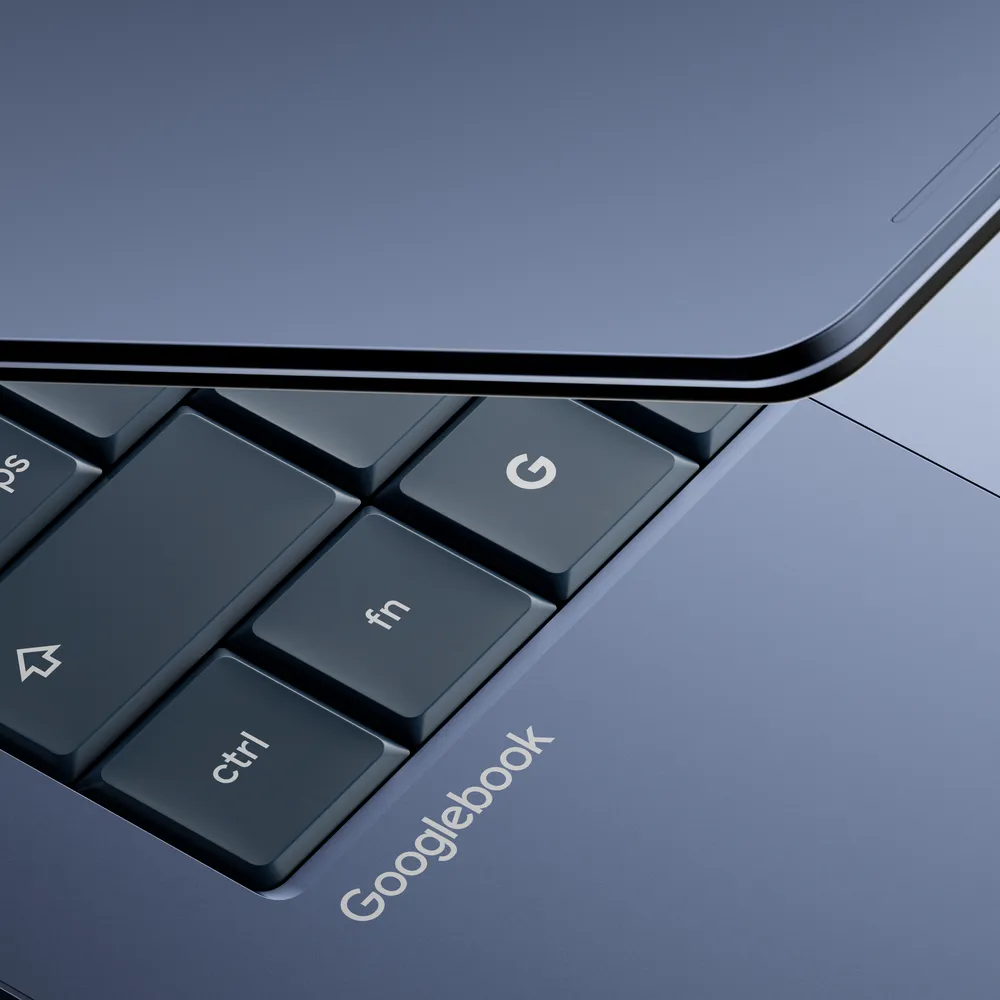
Google is preparing a new chapter in its laptop strategy, and this time it’s not about Chrome OS. The company has confirmed that its upcoming Android-powered laptops will be called “Googlebooks,” with the first models expected to ship later this year.
Chromebooks, which launched in 2011 as web-first machines, are not being discontinued, according to Google. But the company’s attention is clearly turning to this new class of devices built around Android and Google’s Gemini AI.
Googlebooks are pitched as AI-first laptops, designed from the ground up around Gemini. At the center of that experience is a new interaction model that starts not with a key or a command, but with the cursor.
Google calls this the “Magic Pointer.” Wiggling the cursor back and forth activates a full-screen Gemini view. From there, Gemini can see what’s currently on your display and use that context to offer suggestions, combine information from multiple apps, or carry out actions.
Google’s public demos so far have been limited and still somewhat vague. One example shows the Magic Pointer being used to select multiple images and instantly combine them using a tool called Nano Banana. Another demonstration involves pointing at a date in an email so the AI can suggest creating a calendar appointment. The idea is that the cursor in AI mode becomes a kind of universal selector for on-screen content that Gemini can act on.
Magic Cue, a feature already available on Pixel phones, will also be part of Googlebooks. On mobile, Magic Cue can recommend actions and surface information based on context from messages and emails. Google is now extending that to the laptop environment, with the goal of turning on-screen context into practical prompts for Gemini.
How useful that will be in practice remains to be seen. Across the industry, discoverability and real-world utility of AI features have been recurring challenges. Microsoft’s own attempt to deeply mine on-device activity with its Recall feature became highly controversial. And on phones, Google’s Magic Cue has not yet reshaped day-to-day usage, in part because many users rarely encounter it. Googlebooks will be an opportunity to see if the same concepts work better on a laptop, where multitasking and larger screens are the norm.
Although Google is avoiding heavy use of the Android brand in its messaging around Googlebooks, Android is the underlying platform. That means these laptops will run Android apps natively rather than through the compatibility layers Google previously used to bring mobile apps to Chrome OS. In theory, that should simplify app behaviour and make better use of existing Android software.
The Google Play Store will be present on Googlebooks, giving users a direct route to the existing Android app ecosystem. Beyond that, the software picture is still unclear. Google is currently certifying third-party Android app stores and, at the same time, tightening controls around sideloaded APKs. The company has not yet said how open Googlebooks will be to alternative stores or sideloading and is only promising more details about “app ecosystem partners” closer to launch.
AI-generated widgets from Android will also make the jump to Googlebooks. On phones, these widgets can pull data from the web and some Google apps to build a “personalized dashboard” on the home screen. On laptops, Google plans to adapt their layout and style to the larger form factor, but they will still be limited to specific data sources rather than arbitrary system-wide content.
Another focus area is tight integration with Android phones. Googlebooks will be able to stream apps from a paired handset rather than requiring every app to be installed locally on the laptop. A dedicated button in the taskbar will show a list of apps available on the connected phone; selecting one opens it on the Googlebook in a floating window.
File access is designed to be similarly seamless. If a document or media file lives on your phone, Googlebooks will be able to transfer it when needed without forcing the user through manual copy-and-paste steps. The aim is to blur the line between phone and laptop, with the mobile device acting as a kind of secondary app and storage repository.
On the hardware side, Google is not announcing its own first-party Googlebook yet. Instead, the same OEMs that have been central to the Chromebook ecosystem will build these Android laptops. Partners include Acer, Asus, Dell, HP, and Lenovo, with multiple price points and hardware configurations expected across the line-up.
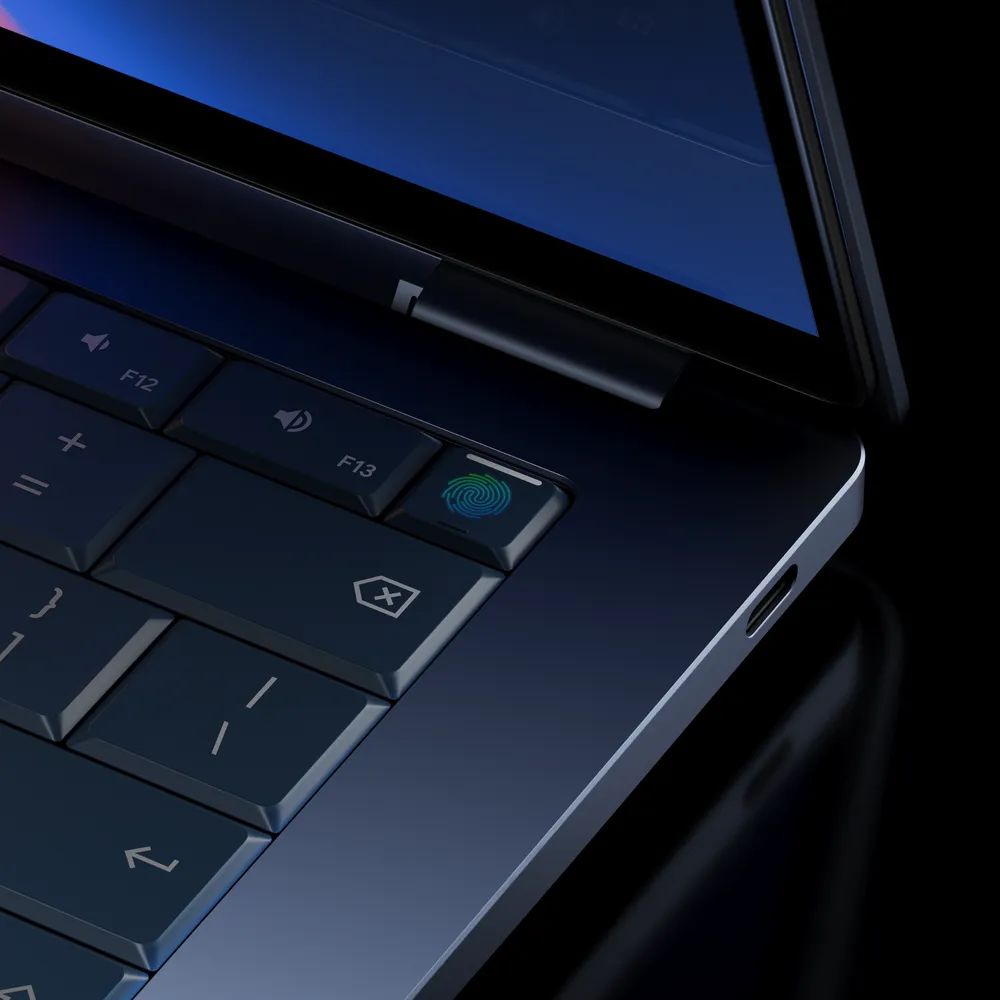
To distinguish the new machines, Googlebooks will feature a “Glowbar” on the lid. This illuminated bar echoes the light strips seen on older Google hardware such as the Pixel C tablet and Chromebook Pixel, where similar lighting elements were tied to functions like battery level indication. For Googlebooks, Google describes the Glowbar as “functional and beautiful,” but has not yet said what information or interactions it will represent. The exact behaviour of the light bar remains an open question.
Google is positioning Googlebooks as a successor in spirit to Chromebooks, but not a replacement, combining native Android apps, deep Gemini integration, and phone-centric workflows in a single laptop form factor. With shipping targeted for later this year and many core details—especially around software openness and the Glowbar’s role still undisclosed, the rollout will be closely watched by both Android developers and PC makers.
Related Reading
More contextual TechBooky stories selected from tags, categories and article context.
Paul Balo is the founder of TechBooky and a highly skilled wireless communications professional with a strong background in cloud computing, offering extensive experience in designing, implementing, and managing wireless communication systems.
We use cookies to ensure that we give you the best experience on our website. If you continue to use this site we will assume that you are happy with it.