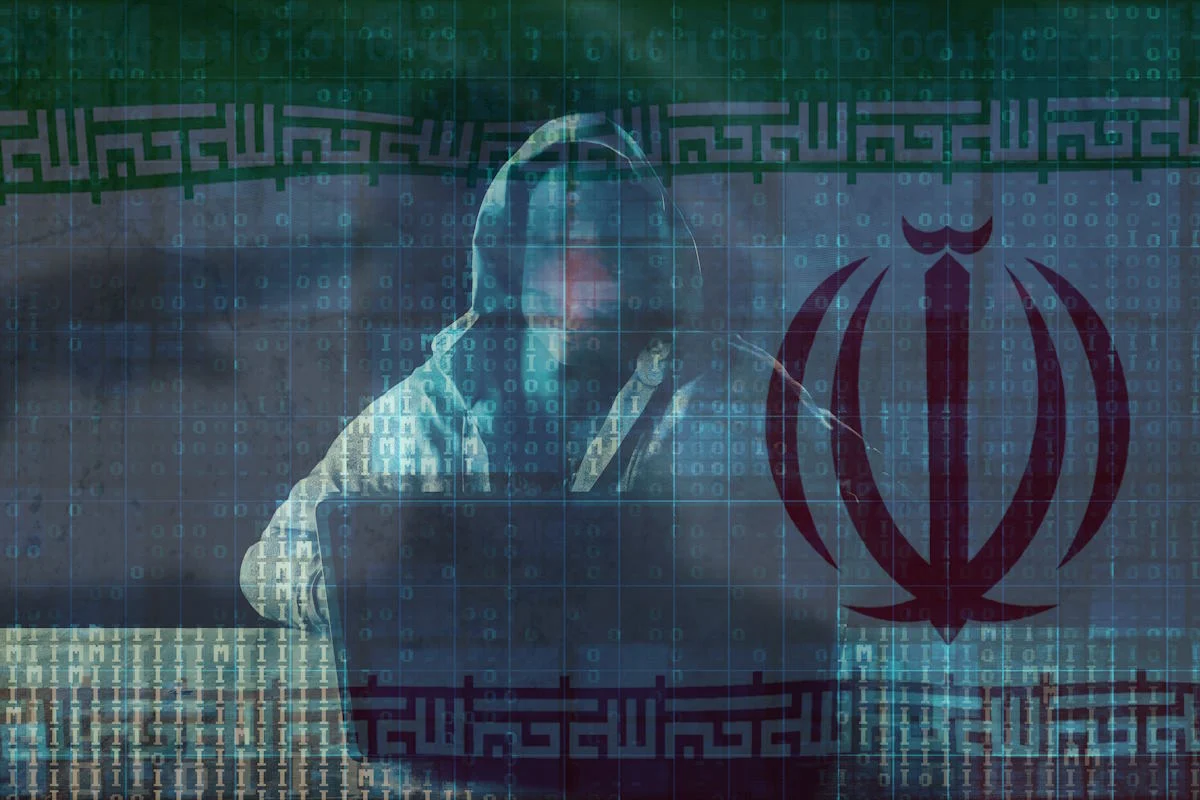
According to a joint advisory from multiple U.S. agencies, including the FBI, NSA, and CISA, the attackers are exploiting programmable logic controllers (PLCs) — the industrial devices that directly control physical processes in power plants, water facilities, and other essential systems.
This isn’t theoretical. Some of these intrusions have already caused operational disruptions and financial losses, with hackers manipulating system data and interfering with how infrastructure behaves in real time.
At the centre of the attacks are internet-facing industrial systems particularly PLCs and SCADA environments which were never originally designed with modern cybersecurity threats in mind. Once compromised, attackers can alter machine behaviour, falsify data, or shut down operations entirely.
The scale is what’s worrying.
Federal agencies say multiple sectors have been hit, including energy grids, water utilities, transportation systems, and government services, with some attacks specifically targeting widely used industrial hardware from vendors like Rockwell Automation.
Historically, many state-backed cyber operations focused on espionage stealing data, monitoring systems, or planting backdoors. But this campaign is increasingly about disruption and sabotage, echoing tactics seen in earlier cyberwarfare incidents like Stuxnet, where industrial control systems were directly manipulated.
Security researchers say attackers are now going deeper into operational technology environments, moving beyond surface-level breaches into the core systems that keep infrastructure running.
The implications are serious.
A successful compromise of PLC systems can lead to contaminated water supplies, power outages, equipment damage, or cascading failures across interconnected systems. U.S. agencies are now urging operators to urgently patch vulnerabilities, isolate critical systems from the internet, and increase monitoring for unusual activity.
In simple terms: the digital battlefield is now directly connected to the physical world.
And as cyber operations become a central front in geopolitical conflicts, attacks like these are no longer edge cases — they’re becoming part of the playbook.
For infrastructure operators, the message is clear: this isn’t just another warning. It’s an escalation.
Paul Balo is the founder of TechBooky and a highly skilled wireless communications professional with a strong background in cloud computing, offering extensive experience in designing, implementing, and managing wireless communication systems.
We use cookies to ensure that we give you the best experience on our website. If you continue to use this site we will assume that you are happy with it.