The Kenya Revenue Authority (KRA) has reinstated the option to file nil tax returns, but with far tighter checks that signal a tougher stance on underreporting income. At the same time, Nigerian regulators are moving to clamp down on failed airtime and data purchases that debit customers without delivering value, outlining stricter oversight for banks, telcos and payment providers.
After briefly suspending nil returns in January, KRA is restoring the option for taxpayers who genuinely earned no income. However, from April 1, 2026, anyone filing nil returns for the 2025 tax year will face scrutiny from an automated system built to identify people declaring zero income despite clear signs of earnings.
The core shift is how KRA now verifies income. The authority has introduced prepopulated tax returns, so income information appears in the system before a taxpayer even logs into the iTax portal. Where tax has already been deducted at source, KRA will reflect that income automatically, and taxpayers will not be able to delete the entries and submit a nil return.
This follows KRA’s discovery that hundreds of thousands of people who had withholding tax deducted in 2024 still filed nil returns. Many of them appeared to treat withholding tax as a “final tax,” but KRA stresses that it is only an advance payment. Taxpayers are still required to declare full income and pay any outstanding balance.
Behind the scenes, KRA is feeding far more data into its risk and verification engines. Its systems now draw on multiple sources, including:
eTIMS invoices
Withholding tax certificates
Mobile money transactions
Customs records
Vehicle registrations
Travel patterns
If a taxpayer’s visible lifestyle and transactions don’t align with what is declared in their return, the system can flag the discrepancy immediately. The approach leaves little room for delayed explanations: there is no grace period built into this process.
The potential consequences for mismatches are significant. KRA can impose penalties and interest, trigger audits of previous years, and deny tax compliance certificates. Those certificates are often required for activities such as accessing loans, bidding for tenders and completing other official procedures, making compliance critical for individuals and businesses alike.
While the filing deadline remains June 30, 2026, the environment around nil returns has shifted. The previous culture of filing “nil and hoping for the best” is directly challenged by deeper data integration and real-time risk checks. For taxpayers, the clear signal is to submit accurate information and engage early if there are issues.
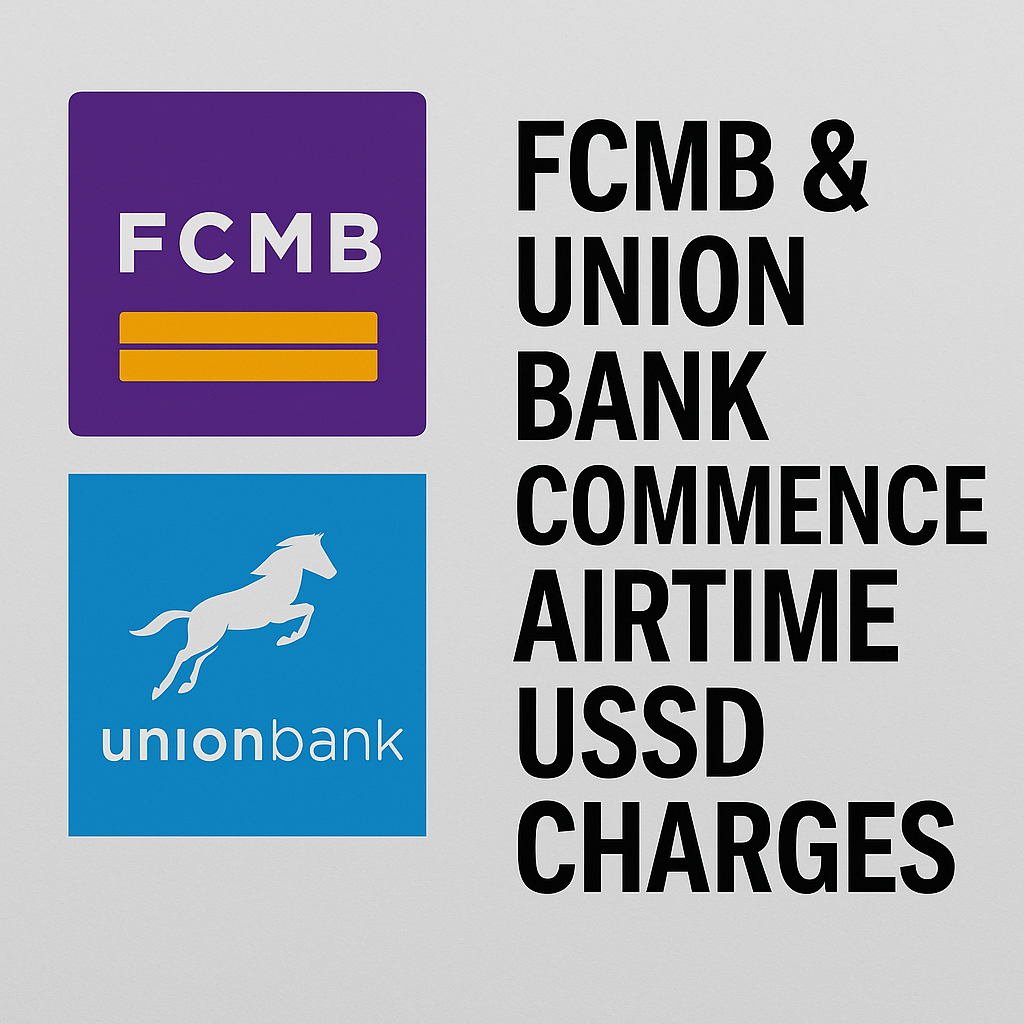
In Nigeria, the Central Bank of Nigeria (CBN) and the Nigerian Communications Commission (NCC) are jointly targeting a widespread consumer complaint; paying for airtime or data, being debited, and receiving nothing in return. The two regulators have published an exposure draft dated February 5, 2026, setting out a national framework to reduce failed airtime and data transactions and enforce clearer accountability across the ecosystem.
The draft framework proposes regular joint audits of banks, mobile network operators, payment service providers, merchants and other licensed participants involved in airtime and data vending. These audits could be conducted quarterly or more frequently, depending on need, to assess compliance with service standards and consumer protection rules.
Beyond audits, the draft gives the CBN and NCC authority to penalise non-compliant entities and crack down on unlicensed intermediaries that sit between banks, telcos and customers. According to the proposal, only properly authorised entities should participate in airtime and data sales, a move designed to address failures caused by weak integrations and fragile backend systems.
To monitor performance and enforcement, the regulators propose a central monitoring dashboard jointly managed by the CBN and NCC. The system would track failed transactions, reversals, service level agreement (SLA) breaches and consumer complaints in real time. Banks and telecom operators would also need to publish quarterly SLA compliance scorecards, making their performance more visible to the public.
Related Reading
More contextual TechBooky stories selected from tags, categories and article context.
Paul Balo is the founder of TechBooky and a highly skilled wireless communications professional with a strong background in cloud computing, offering extensive experience in designing, implementing, and managing wireless communication systems.
We use cookies to ensure that we give you the best experience on our website. If you continue to use this site we will assume that you are happy with it.