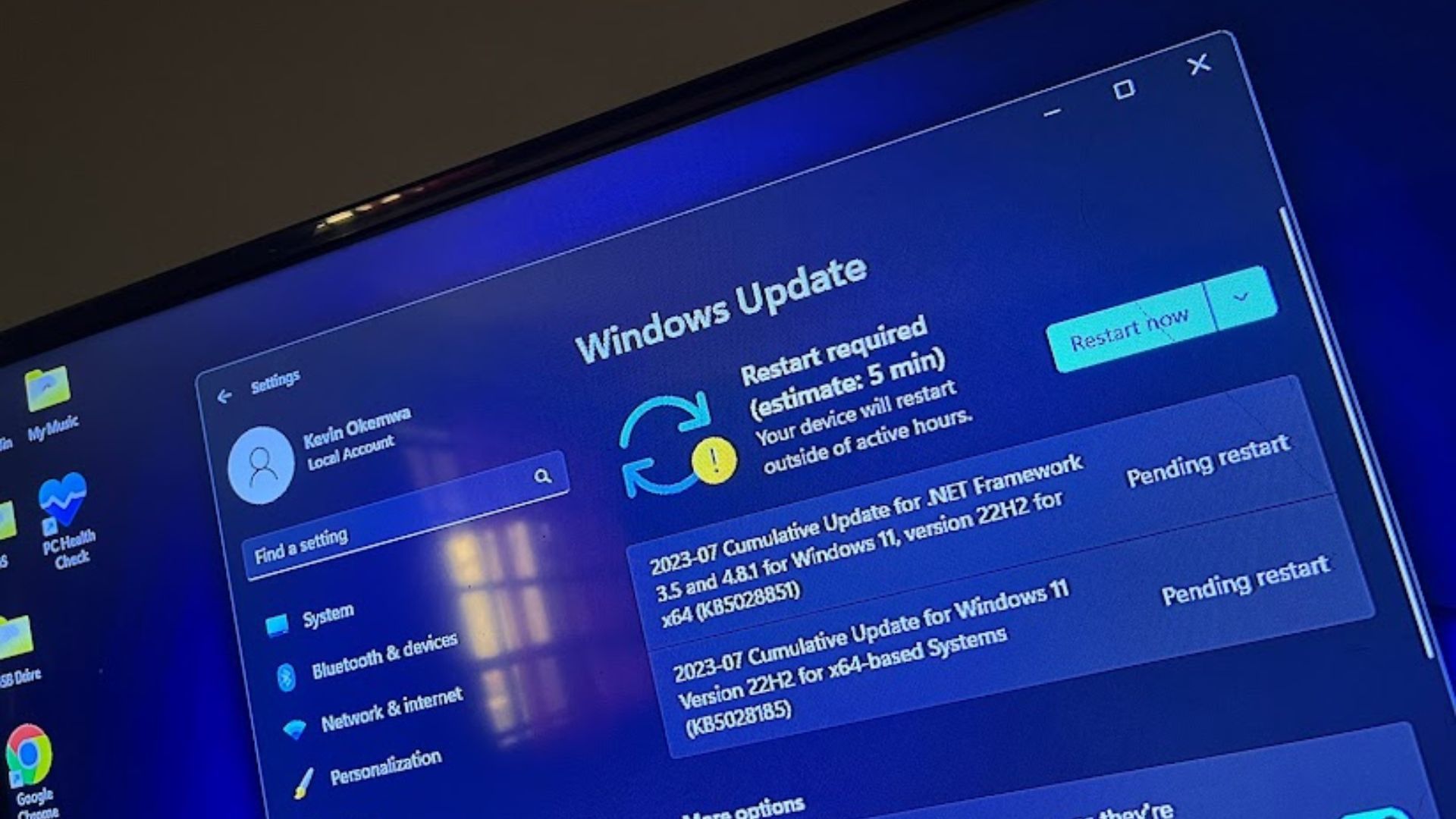
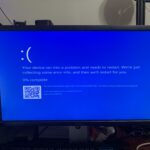
Microsoft intends to launch a new feature that will enable it to remotely roll back troublesome Windows drivers that are distributed through Windows Update that may arise.
The new feature known as Cloud-Initiated Driver Recovery is to eliminate the requirement for end users or hardware partners to manually resolve driver problems after drivers have been sent to devices. Only Windows drivers rejected due to quality issues during shiproom evaluation will be subject to the recovery process, which is fully managed by Microsoft and does not require partner-side actions.
Using its Hardware Dev Center to flag problematic drivers, Microsoft’s cloud-initiated system automatically uninstalls faulty versions via Windows Update and replaces them with the last known good driver, but only if a valid backup is available in the cloud, all without requiring extra software or background agents.
The current system requires the hardware partner to submit a replacement if a driver delivered through Windows Update has quality issues, or users must manually uninstall the defective driver. This can result in devices using poor drivers for an extended period of time.
Microsoft can immediately initiate a rollback to a previous, stable driver version (or the next best version available on Windows Update) via Cloud-Initiated Driver Recovery, eliminating the need for new software or hardware partner steps.
The remedy process now depends on the hardware partner submitting an updated driver or on end users manually uninstalling the problematic driver if a driver released through Windows Update is found to have quality concerns after distribution. According to Microsoft, this leaves a gap where devices might use a low-quality, weak, and inferior driver for a long time.
“Microsoft can now initiate a recovery action straight from the Hardware Dev Center (HDC) Driver Shiproom using Cloud-Initiated Driver Recovery, rolling back a faulty driver to the previously known good version via the Windows Update pipeline. The PnP driver stack and the driver flighting and publishing services are updated in unison to address this.
Additionally, the business observed that:
Cloud-Initiated Driver Recovery will not be attempted on devices for which a Driver Shiproom-approved driver cannot be found.
The current Windows Update infrastructure is used to deliver recovery; no additional client agent or partner tooling is needed.
In September 2026, the new Windows Update feature will start rolling back drivers that were rejected during flighting or gradual rollout. It is now being tested between May and August.
Microsoft announced a Driver Quality Initiative (DQI) last week at WinHEC 2026 (the Windows Hardware Engineering Conference) in Taipei. The initiative aims to improve driver quality, dependability, and security throughout the Windows ecosystem in collaboration with OEM, semiconductor, and hardware partners.
Microsoft stated that reliability, security, performance, compatibility, and quality are the core values that matter most to every customer, and the team will continue to invest in them in the coming months. In addition, Microsoft said that they will also keep collaborating with OEMs, silicon partners, IHVs, ODMs, and the broader hardware ecosystem through the Windows Resiliency Initiative, the new Driver Quality Initiative, and the work they do together every day.
Microsoft also declared in June 2025 that it would regularly remove legacy drivers from the Windows Update catalogue in order to reduce security concerns and compatibility problems.
Related Reading
More contextual TechBooky stories selected from tags, categories and article context.
We use cookies to ensure that we give you the best experience on our website. If you continue to use this site we will assume that you are happy with it.