At the International Centre for Arbitration and Mediation in Abuja, Nigeria has secured a decisive $6.2 million (about ₦9.3 billion) arbitration victory against UK-based European Dynamics UK Ltd over a disputed e-procurement contract.
The February 3 ruling, delivered by sole arbitrator Funmi Roberts at the International Centre for Arbitration and Mediation in Abuja, rejected all claims by the contractor and is final with no right of appeal.
The Dispute
The case centred on a World Bank-funded project to deploy an electronic government procurement (e-GP) system for Nigeria’s Bureau of Public Procurement (BPP). European Dynamics had claimed approximately $2.4 million for alleged milestone completions, plus $3 million in general damages and $800,000 in settlement claims.
However, the BPP under Director-General Adebowale Adedokun pushed back, insisting that payments must tie to verified deliverables. A user acceptability test revealed serious functional flaws in the software, including omissions and performance issues.
According to officials familiar with the project, the defects were not cosmetic but operational — meaning the platform could not reliably support procurement workflows expected of a national system handling public tenders, bid submissions, and contract awards.
The Ruling
The tribunal affirmed Nigeria’s position, ruling that:
The contractor must fix defects at no extra cost
As the technical expert, European Dynamics bore responsibility for meeting contractual standards
Attempts to merge project phases distorted the contract’s payment structure
The decision effectively reinforced a key principle in large government technology procurements: milestone claims cannot substitute for functional acceptance.
The Historic Win
Adedokun noted the significance of the victory:
“This specific vendor has successfully litigated in numerous African nations and won every case. Nigeria is the first to defeat them.”
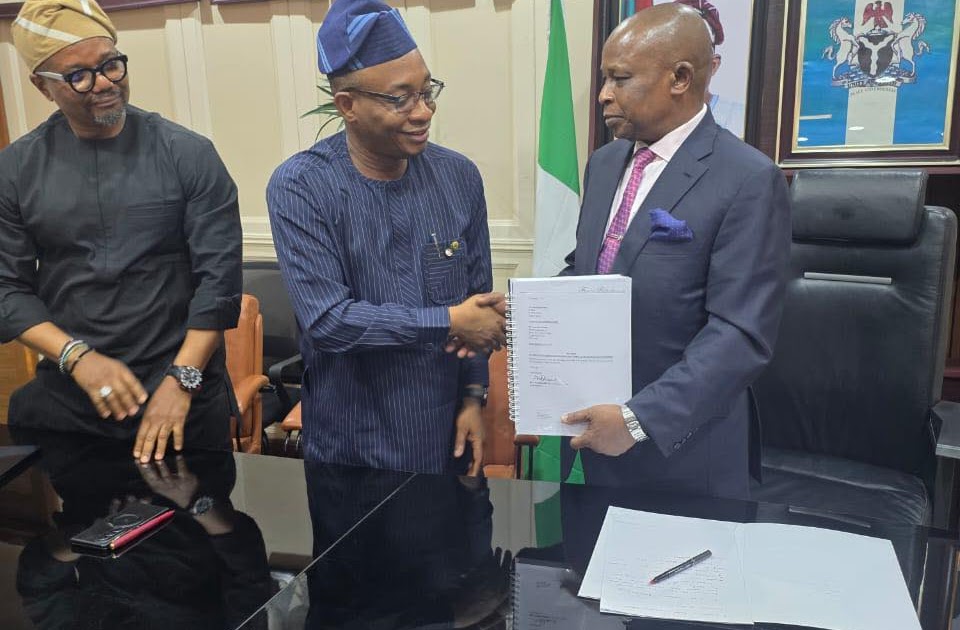
Attorney-General Lateef Fagbemi praised the legal team led by Basil Udotai Esq. of Johnson & Willner LLP, stating:
“This victory sends a clear message to the international community that Nigeria can no longer be taken for granted. We have given other African countries the courage to defend their own resources.”
According to representatives of a press organisation in Nigeria, this arbitration victory is noteworthy since it is the first time a nation has successfully defended against this specific seller in a dispute of this nature. Legal counsel spearheaded the defence in the lawsuit involving European Dynamics.
Beyond the financial recovery, the ruling carries broader implications for digital government infrastructure projects across emerging markets.
Large public-sector IT deployments particularly procurement systems often fail not because software is delivered, but because it is not operationally usable. Arbitration panels historically focus on contractual milestones, but this decision leaned heavily on functional performance and acceptance testing.
That distinction may influence how future World Bank-funded and donor-funded government platforms are evaluated: working software may now carry more legal weight than documented progress.
For vendors, it raises the compliance bar. For governments, it strengthens negotiating leverage.
And for countries digitising procurement to fight corruption and improve transparency, the judgement reinforces a simple rule, technology contracts must deliver real systems, not just documentation.
We use cookies to ensure that we give you the best experience on our website. If you continue to use this site we will assume that you are happy with it.