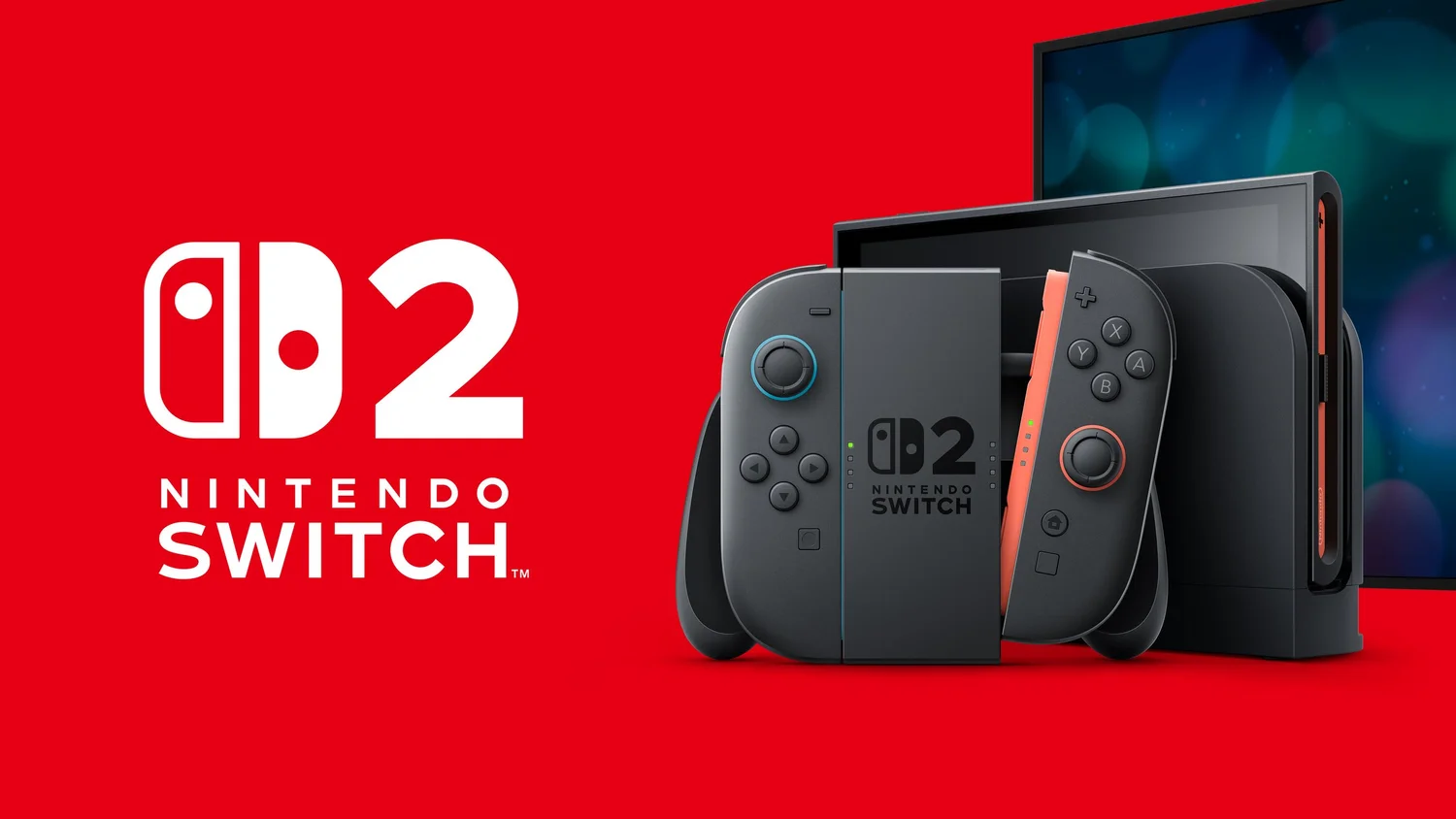
Nintendo is scaling back production of its flagship Switch 2 console by more than 30%, after sales during the crucial holiday season fell short of expectations, particularly in the United States.
According to reports, the company now plans to manufacture around 4 million units this quarter, down from an earlier target of 6 million units, with the reduced production levels expected to continue into April.
The move marks a notable shift for Nintendo, whose latest console had initially enjoyed a strong launch following its debut in 2025.
The Switch 2 recorded one of the most successful launches in Nintendo’s history, selling more than 3.5 million units in its first four days and reaching roughly 18 million units sold by early 2026.
However, recent sales performance has failed to maintain that early momentum, raising concerns internally about sustained demand especially outside Japan.
The weaker-than-expected holiday sales appear to have been the primary trigger for the production cut, as the year-end shopping period is typically the most important for console makers.
Several factors are believed to be contributing to the slowdown.
One issue is the limited line-up of must-have exclusive games, which has historically been a key driver of Nintendo console sales. While recent titles like Pokémon Pokopia have performed well, they have not been enough to fully offset broader concerns about the platform’s software ecosystem.
At the same time, rising hardware and component costs driven in part by global demand for memory chips used in AI data centres are putting pressure on pricing and supply chains.
There are also signs of weaker consumer spending on discretionary products, as economic uncertainty continues to affect global markets.
Despite the production cut, analysts suggest the move may be more about inventory management than a long-term shift in strategy.
Nintendo is still targeting strong overall sales for the fiscal year, indicating confidence that demand could rebound with the right mix of new games and market conditions.
The company has historically relied heavily on software sales to drive profitability, meaning future performance will likely depend on the strength of its upcoming game releases as much as hardware demand.
The report weighed on investor sentiment, with Nintendo’s stock declining following news of the production cut.
The development highlights how even highly anticipated gaming hardware can face challenges in maintaining momentum after launch, particularly in a market increasingly influenced by economic pressures and shifting consumer priorities.
The Switch 2 remains one of the most important products in Nintendo’s line-up, succeeding the original Switch, which became one of the best-selling consoles of all time.
With production now being scaled back, the company will be under pressure to reignite demand through new content, pricing strategies, and ecosystem improvements in the months ahead.
How Nintendo responds could determine whether the Switch 2 maintains its early success or settles into a more modest growth trajectory in an increasingly competitive gaming market.
Paul Balo is the founder of TechBooky and a highly skilled wireless communications professional with a strong background in cloud computing, offering extensive experience in designing, implementing, and managing wireless communication systems.
We use cookies to ensure that we give you the best experience on our website. If you continue to use this site we will assume that you are happy with it.