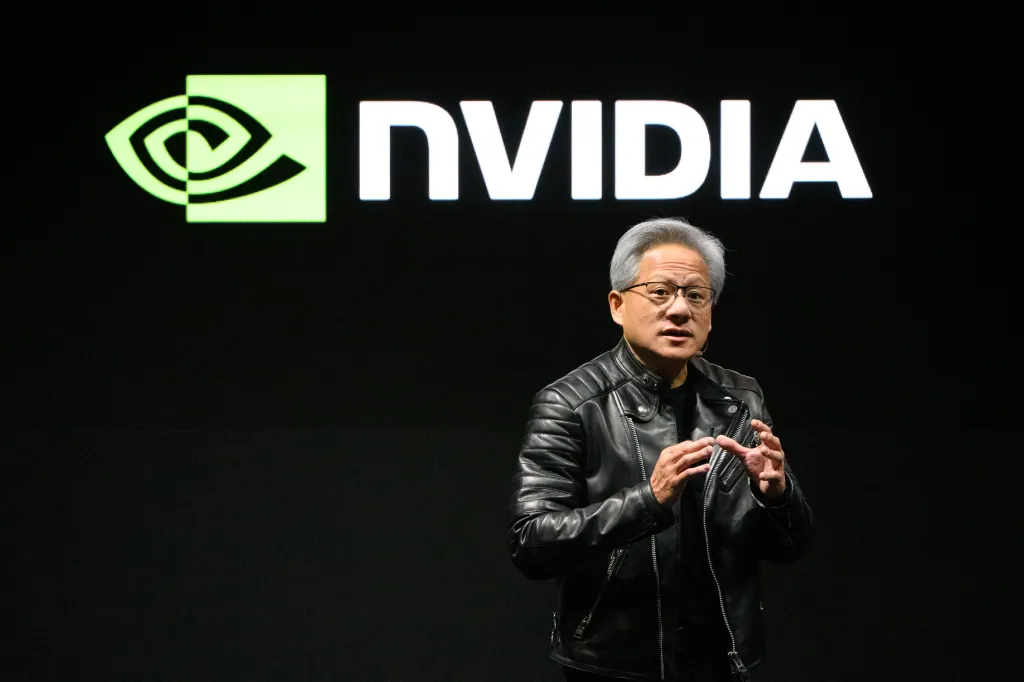
NVIDIA is using GTC 2026 to send a much bigger message than just new product launches. According to Reuters, CEO Jensen Huang said on March 16, 2026 that the revenue opportunity for AI chips could reach at least $1 trillion through 2027, a sharp jump from the company’s earlier $500 billion view and a sign of just how aggressively NVIDIA now sees the next phase of the AI boom.
That forecast helps explain why today’s announcements went far beyond a routine chip refresh. At GTC, NVIDIA spotlighted new infrastructure for the inference era, including the Vera CPU for agentic AI and new software designed to make AI systems run more efficiently in production. Reuters said the company’s strategy is increasingly centred on the fast-growing market for running AI in real time, where demand is shifting from just training giant models to actually serving and operating them at scale.
This is an important shift. For years, NVIDIA’s dominance was defined mostly by training workloads, where its GPUs became the default hardware for building large AI models. But inference is now emerging as the bigger long-term commercial battleground because that is where chatbots, copilots, AI agents and enterprise systems actually generate responses and handle live workloads. Reuters reported that Huang used the conference to lay out a more aggressive push into that space, underscoring how central inference has become to NVIDIA’s next growth phase.
The trillion-dollar figure also shows how large the broader AI infrastructure race has become. NVIDIA is not just competing against traditional chipmakers anymore. Reuters noted that pressure is growing from companies building their own in-house silicon and from alternative processors designed specifically for inference. That is why NVIDIA’s GTC message this year appears to be about protecting its lead by controlling more of the stack, from chips to networking to software orchestration.
For investors and the wider tech industry, Huang’s forecast is both a growth signal and a statement of intent. NVIDIA is essentially arguing that the AI buildout is still in its early stages and that the market opportunity ahead is even larger than many had already assumed. If that view proves right, today’s GTC announcements may be remembered not just as product updates, but as part of NVIDIA’s attempt to define the next economics of AI infrastructure.
Paul Balo is the founder of TechBooky and a highly skilled wireless communications professional with a strong background in cloud computing, offering extensive experience in designing, implementing, and managing wireless communication systems.
We use cookies to ensure that we give you the best experience on our website. If you continue to use this site we will assume that you are happy with it.