NVIDIA is looking beyond chips and models with a new push into the data layer powering robotics and autonomous systems. At GTC 2026, the company unveiled its Physical AI Data Factory Blueprint, an open reference architecture designed to automate how training data is generated, augmented and evaluated for robotics, vision AI agents and autonomous vehicles. NVIDIA says the goal is to cut the cost, time and complexity involved in building physical AI systems that need vast amounts of high-quality simulated and real-world data.
The announcement matters because one of the biggest bottlenecks in physical AI is no longer just compute power. It is data. Robots and self-driving systems need enormous volumes of training material covering edge cases, environments, sensors and real-world behaviour, and collecting that data manually is expensive and slow. NVIDIA says its blueprint helps automate that pipeline, creating a more scalable way for developers to prepare and test physical AI models before deployment.
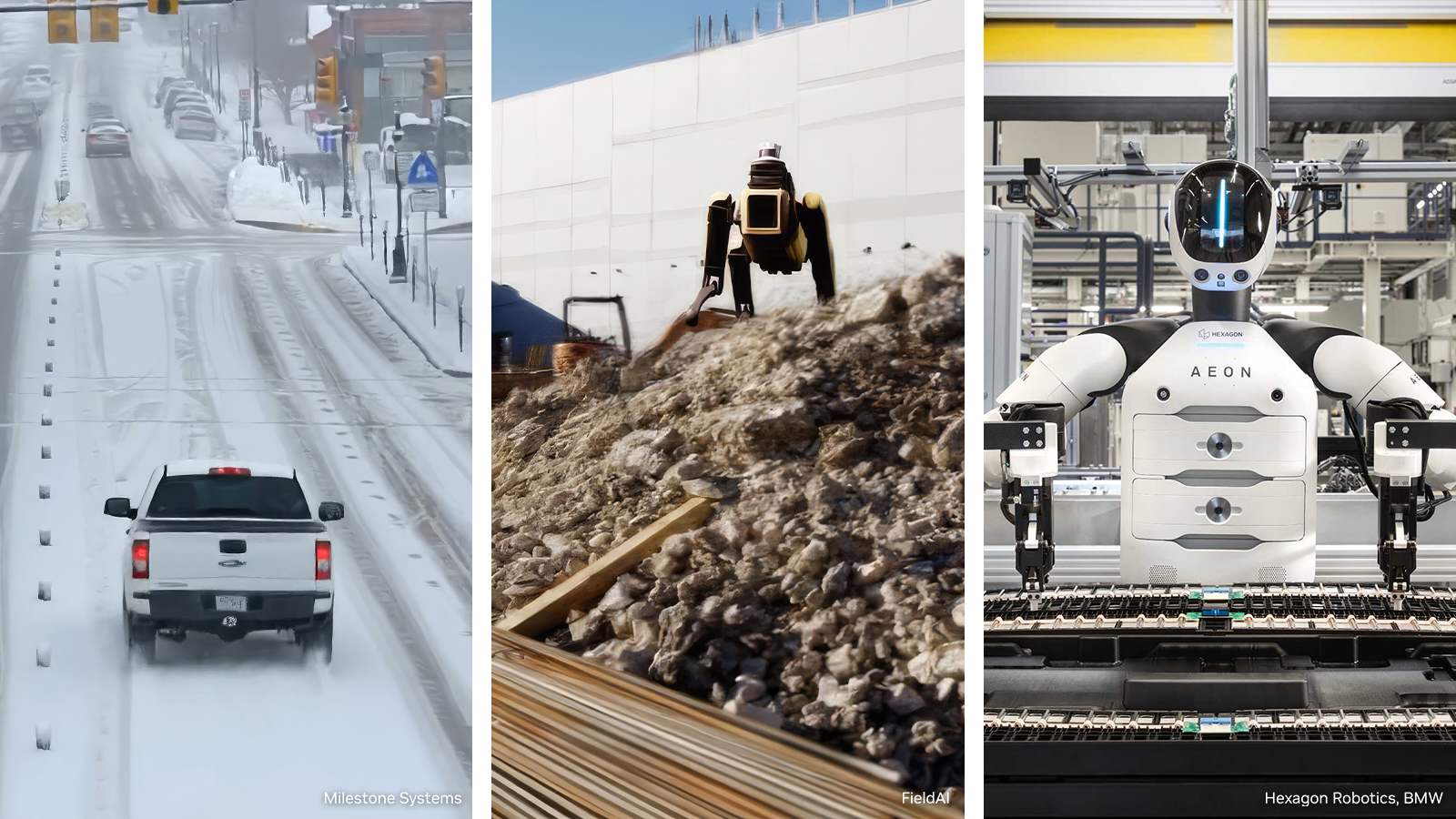
NVIDIA said the blueprint is being used by companies including FieldAI, Hexagon Robotics, Linker Vision, Milestone Systems, Skild AI, Uber and Teradyne Robotics, which gives the launch some real-world weight. It also said the architecture brings in ecosystem support from Microsoft Azure and Nebius, showing that NVIDIA wants this to be a broader infrastructure play rather than a closed in-house framework.
For NVIDIA, this is a future-facing move that fits neatly into its wider GTC message around physical AI. The company has spent this year expanding its robotics, simulation and inference stack, and this blueprint plugs directly into that strategy by addressing the data operations side of the equation. In practical terms, NVIDIA is arguing that the companies that win in robotics and autonomous systems will need not only powerful chips and models, but also industrial-scale pipelines for synthetic data generation, testing and validation.
The timing is also notable. Reuters reported today that NVIDIA-backed Skild AI is already deploying generalized robot AI in manufacturing settings, including work tied to Foxconn assembly lines producing NVIDIA Blackwell systems. That helps reinforce the broader point NVIDIA is making: physical AI is moving out of the lab and into actual commercial environments, which makes scalable data pipelines far more important than they once were.
Taken together, the Physical AI Data Factory Blueprint is not just another technical release. It is NVIDIA making a serious case that the next big AI race will be fought in the physical world, and that the infrastructure for that future must include automated data factories, not just faster chips. For developers building robots, industrial vision systems or autonomous driving stacks, this could become one of the more important pieces of NVIDIA’s expanding AI platform story.
Paul Balo is the founder of TechBooky and a highly skilled wireless communications professional with a strong background in cloud computing, offering extensive experience in designing, implementing, and managing wireless communication systems.
We use cookies to ensure that we give you the best experience on our website. If you continue to use this site we will assume that you are happy with it.