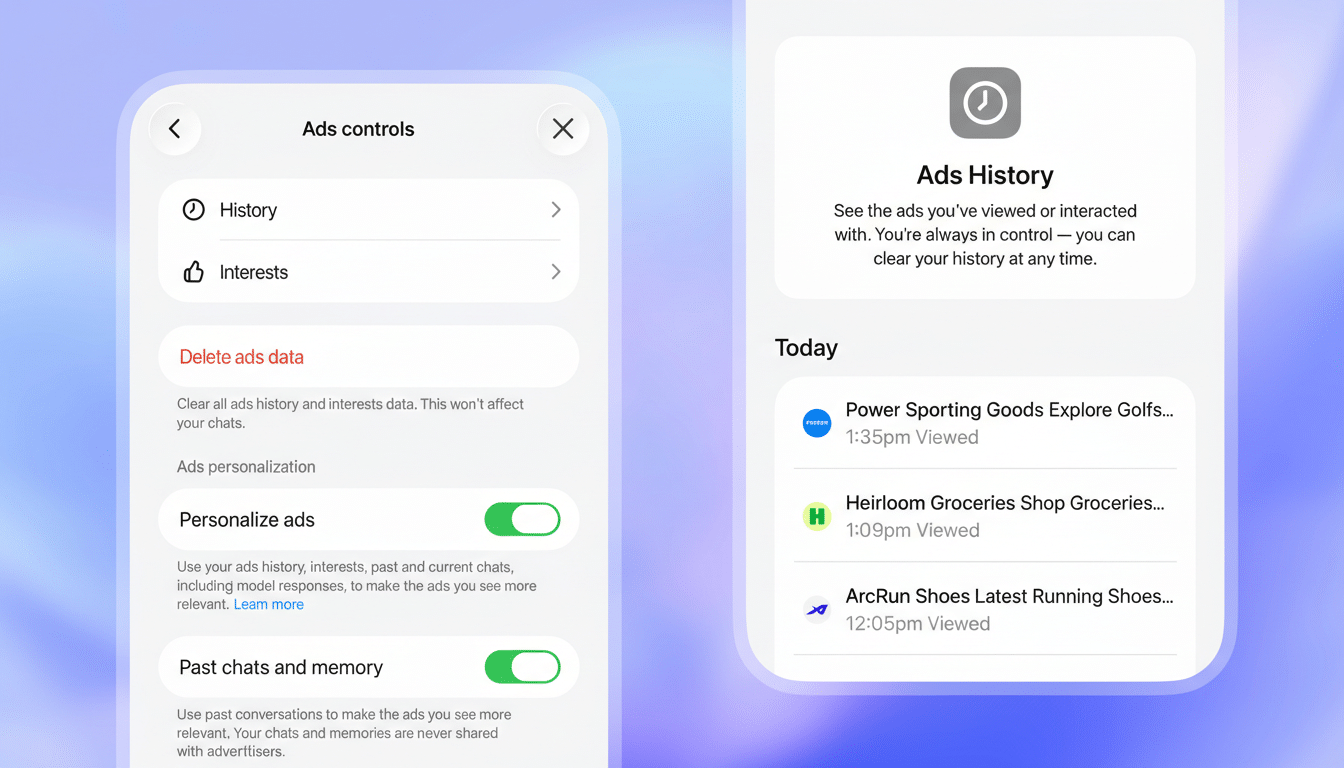
In the early hours of this week, particularly on Monday, OpenAI revealed that it is starting to test advertisements for users on its Free and Go membership tiers in the United States. This is a significant change in the platform’s commercial strategy to support low-cost, free access to its cutting-edge AI models.
The more recent Go plan, which costs $8 a month in the US, was made available worldwide in the middle of January.
Ads will not be displayed to users of OpenAI’s subscription plans, which include the Plus, Pro, Business, Enterprise, and Education levels, the business announced.
“Ads do not influence the answers ChatGPT gives you, and we keep your conversations with ChatGPT private from advertisers,” OpenAI wrote in a blog post in an attempt to allay worries about how ads would impact the user experience. Our objective is for advertisements to uphold the confidence users have in ChatGPT for significant and private work while facilitating wider access to increasingly robust ChatGPT capabilities.
Anthropic, a major rival, made fun of the company’s announcement last month in a series of Super Bowl advertisements that aired on Sunday.
Anthropic made fun of the notion that some AI firms, such as OpenAI, would soon start using advertising in their TV adverts by demonstrating how badly integrated advertisements could detract from the user experience. Glassy-eyed performers portraying AI chatbots were used to depict this on television. The chatbots would offer guidance while displaying an ill-targeted advertisement.
Sam Altman, the CEO of OpenAI, became very irate by the insults, labelling Anthropic an “authoritarian company” and calling the advertisements “dishonest”.
Up until now, consumers have opposed the notion of advertisements in AI responses. Late last year, OpenAI tested app recommendations that appeared to be unsolicited advertisements, which sparked criticism. However, in order to pay for the expenses of developing its technology and expanding the business, the AI startup must make money from its well-liked chatbot.
It seems sensible, but sceptics worry that advertisements would sway ChatGPT’s responses. In its introduction, OpenAI refutes this, stating that advertisements will be tailored according to “what’s most helpful to you.” Ads, according to the business, will always be identified as sponsored and kept apart from the original content.
OpenAI has experimented with matching adverts to users based on their previous chat history, ad engagements, and the topic of their conversations. Ads for meal packages or food delivery services, for example, may appear to customers looking for recipes, the company claims. According to OpenAI, advertisers would only get access to aggregate data on ad success, such as views and clicks, rather than user data.
Additionally, users will have the option to see and delete their history of ad interactions at any time. Additionally, OpenAI stated that users can control ad personalisation settings, view the reason behind an ad’s display, offer feedback, and dismiss advertising.
Users under the age of eighteen will not see advertisements, nor will they be displayed next to delicate or regulated subjects like politics, mental health, or health.
Those who will view the advertisements?
Free Tier Users: The ads will now be displayed to logged-in users on the basic free plan.
ChatGPT Go Subscribers: The ads will also be displayed to users on the newly introduced $8/month budget plan.
Exempt Groups: For the Plus, Pro, Business, Enterprise, and Education tiers of paid users, do not see advertisements. Furthermore, advertisements are not displayed to users who are younger than 18 or during discussions about delicate subjects like politics, mental health, or health.
How the advertisements will be seen and how it function
Placement: Advertisements are prominently shown as “Sponsored” units. Usually seen at the bottom of the chatbot’s responses, they are visually distinct.
Targeting: The topic of the current conversation, previous chats, and previous ad interactions are used to match ads. For instance, looking into vacation could lead to a hotel advertisement.
Integrity: According to OpenAI, advertisements have no influence on the objective substance of ChatGPT’s generated responses.
For the Privacy and User Controls
Privacy Guarantee: Advertisers only receive aggregate performance data, such as views and clicks, and are not given access to private conversation histories, memories, or personal information.
The “Free Way” is to opt out of advertisements. To do so, go to Profile > Settings > Ad controls. However, doing so will drastically lower the daily message limit for free users.
Management: Users have the ability to disable personalisation, check their ad history, give comments, and reject particular advertising.
We use cookies to ensure that we give you the best experience on our website. If you continue to use this site we will assume that you are happy with it.