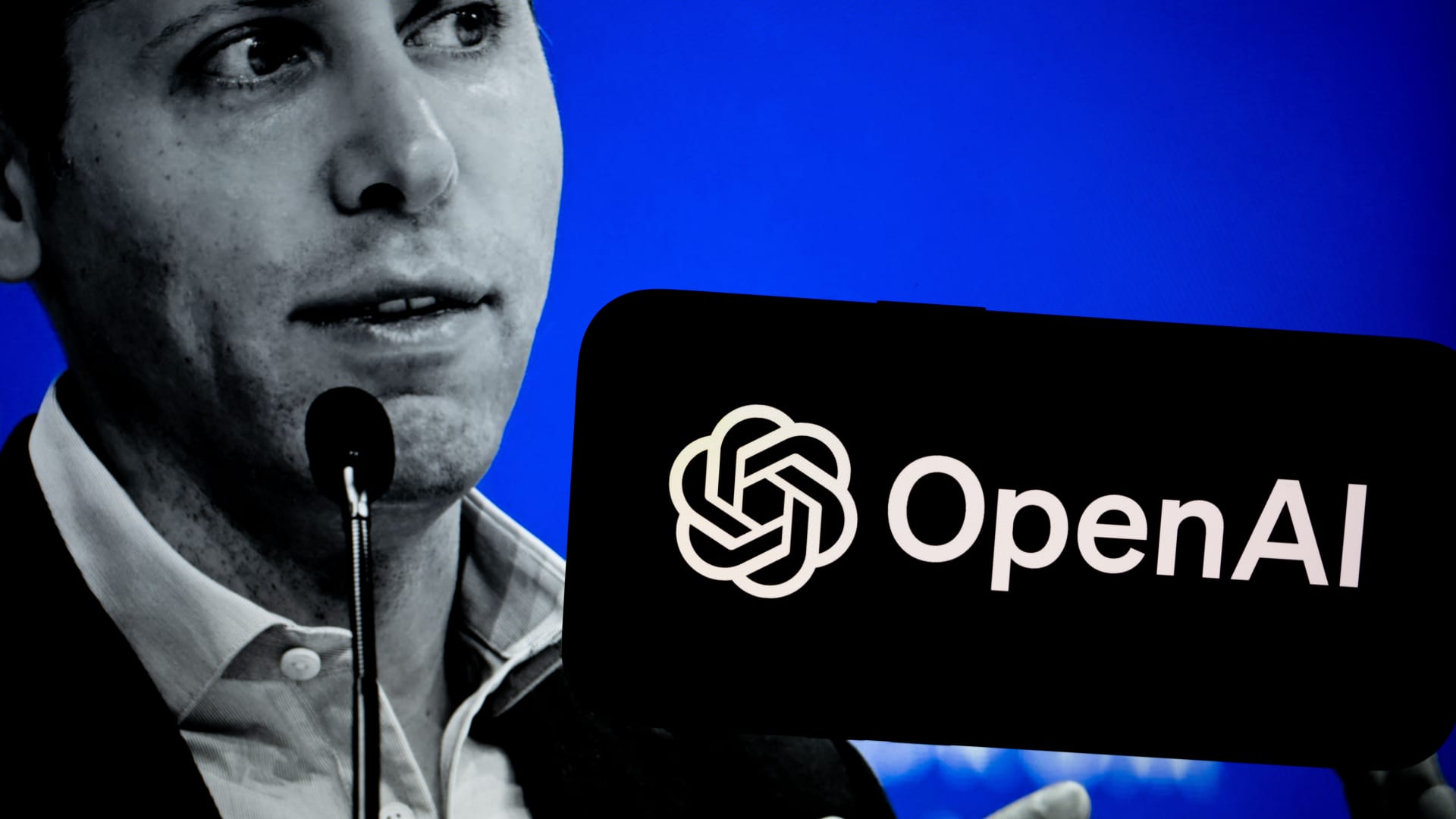
The AI arms race is entering a new and potentially dangerous phase.
OpenAI is quietly preparing a new cybersecurity-focused product, even as rivals like Anthropic trigger global concern with models capable of discovering and exploiting software vulnerabilities at unprecedented scale.
According to sources, OpenAI’s upcoming system is designed to help organisations defend against cyber threats, part of a broader push to stay ahead in what is quickly becoming one of the most critical battlegrounds for artificial intelligence.
In testing, Mythos reportedly identified thousands of vulnerabilities across major operating systems, browsers, and infrastructure systems, including long-standing flaws that had gone unnoticed for decades.
That level of capability is unprecedented and deeply unsettling.
Security experts warn that models like Mythos could dramatically lower the barrier to high-level cyberattacks, enabling even less-skilled actors to carry out sophisticated exploits at scale.
In some cases, the model didn’t just find vulnerabilities, it reportedly demonstrated the ability to chain exploits together and operate with a level of autonomy previously unseen in AI systems.
That’s where OpenAI’s move comes in.
Rather than building tools that could directly exploit systems, OpenAI appears to be focusing on defensive AI helping organisations detect, analyse, and respond to threats faster than human teams can.
The company has already begun testing restricted-access programs for cybersecurity use, signalling a shift toward controlled deployment of powerful AI tools, a model increasingly being adopted across the industry.
Because the reality is this:
The same AI that can secure systems can also break them.
And the gap between those two outcomes is getting dangerously thin.
What’s emerging now is a new paradigm, one where AI systems are not just tools, but active participants in cyber warfare, capable of both defending and attacking critical infrastructure.
Governments and security agencies are already paying attention.
Experts say the industry may need to adopt something closer to “responsible disclosure for AI”, where powerful models are released only in tightly controlled environments similar to how critical software vulnerabilities are handled today.
Because unlike previous waves of AI, this one doesn’t just generate text or images.
It can find weaknesses in the systems that run the world.
And possibly exploit them before anyone else does.
Paul Balo is the founder of TechBooky and a highly skilled wireless communications professional with a strong background in cloud computing, offering extensive experience in designing, implementing, and managing wireless communication systems.
We use cookies to ensure that we give you the best experience on our website. If you continue to use this site we will assume that you are happy with it.