OpenAI is reportedly moving deeper into consumer hardware with a family of AI-powered devices, including smart glasses, a smart speaker and a smart lamp, according to a new report from The Informationcited by Engadget.
The company is said to have assembled a team of more than 200 employees to work on the initiative, signalling a significant push beyond its existing software-based AI services.
The first device expected to reach consumers is a smart speaker that incorporates a built-in camera. Reporting indicates the camera is intended to give the device richer awareness of its environment, going beyond audio to visually interpret what is happening nearby.
A person familiar with the project told The Information that the speaker would be able to identify physical objects on a nearby table and pick up on conversations happening within its vicinity. The camera is also expected to support facial recognition similar in concept to Apple’s Face ID, enabling users to authenticate purchases using their face.
According to the report, the smart speaker is currently expected to ship in early 2027 at the earliest, with a target price somewhere between $200 and $300.
Glasses and lamp plans, and Jony Ive’s role
The smart speaker is only one part of a broader hardware roadmap. OpenAI is also said to be developing AI-enabled smart glasses, entering a category where Meta is currently a dominant player. Those glasses are reportedly not expected to arrive until 2028.
The company has also prototyped an AI-powered smart lamp, but it is unclear from the reporting whether that product will make it to commercial release.
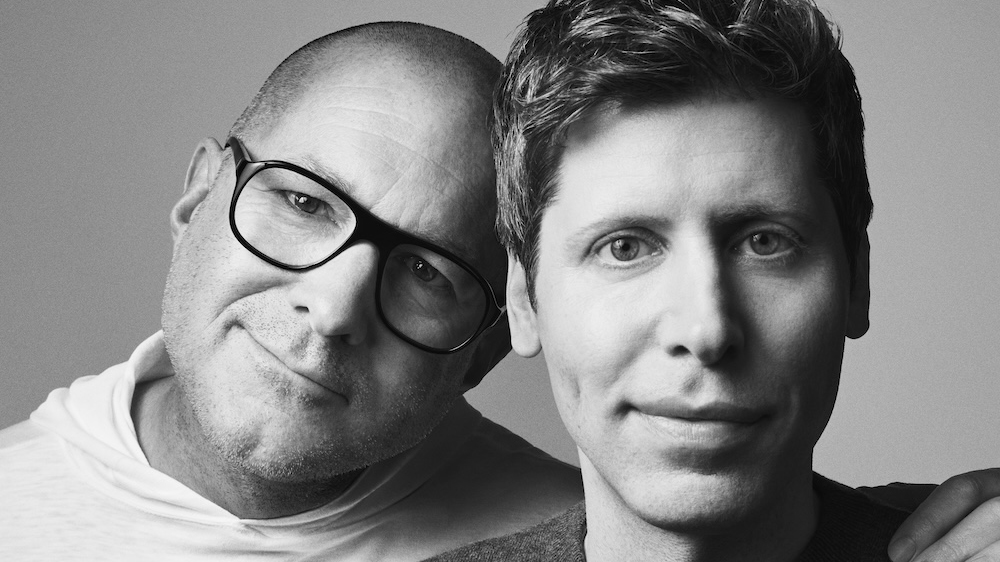
OpenAI’s hardware ambitions are closely tied to its 2024 acquisition of io Products, the startup founded by former Apple chief designer Jony Ive. The deal, valued at $6.5 billion, brought Ive and his AI-focused design firm into OpenAI. Ive is widely credited with shaping Apple’s industrial and product design across many of its major devices from the 1990s until his departure in 2019.
The acquisition sets the stage for Ive to lead hardware product development efforts at OpenAI as the company tries to translate its AI models into physical consumer devices.
Despite the high-profile backing, development has reportedly faced delays. Technical challenges, privacy concerns and questions around the computing power needed to run AI at scale in mass-market hardware have all contributed to the slower-than-anticipated timeline, according to the reporting.
Even if OpenAI overcomes those hurdles, the company may still have to convince consumers to accept devices that are designed to both listen and watch continuously in order to function as intended. Persistent privacy concerns around always-on microphones and cameras could weigh on adoption of the smart speaker and any follow-on products.
Paul Balo is the founder of TechBooky and a highly skilled wireless communications professional with a strong background in cloud computing, offering extensive experience in designing, implementing, and managing wireless communication systems.
We use cookies to ensure that we give you the best experience on our website. If you continue to use this site we will assume that you are happy with it.