For nearly four years, interacting with ChatGPT has mostly followed the same pattern.
You type.
The AI thinks.
Then it replies.
OpenAI now believes that entire interaction model is becoming obsolete.
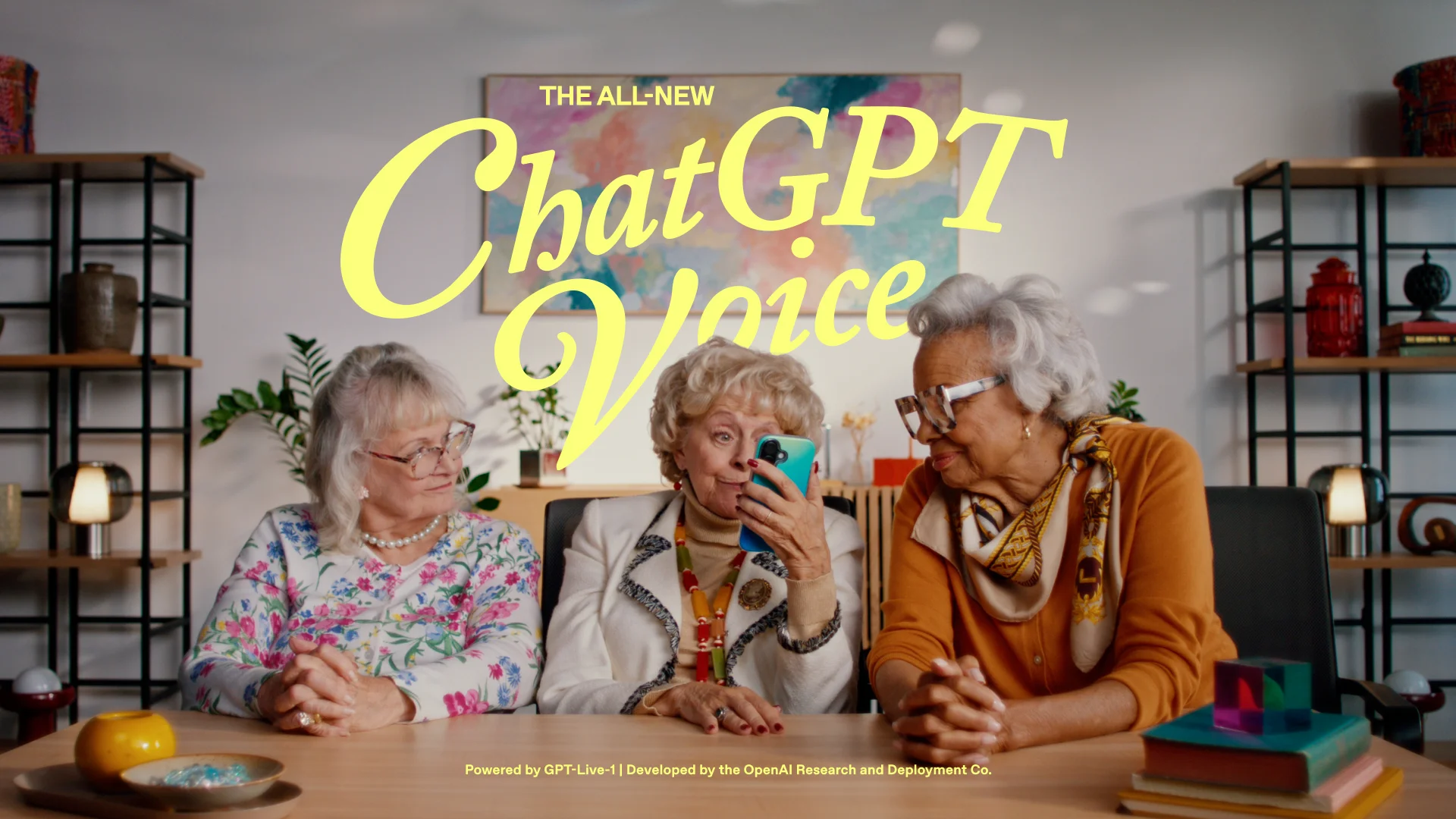
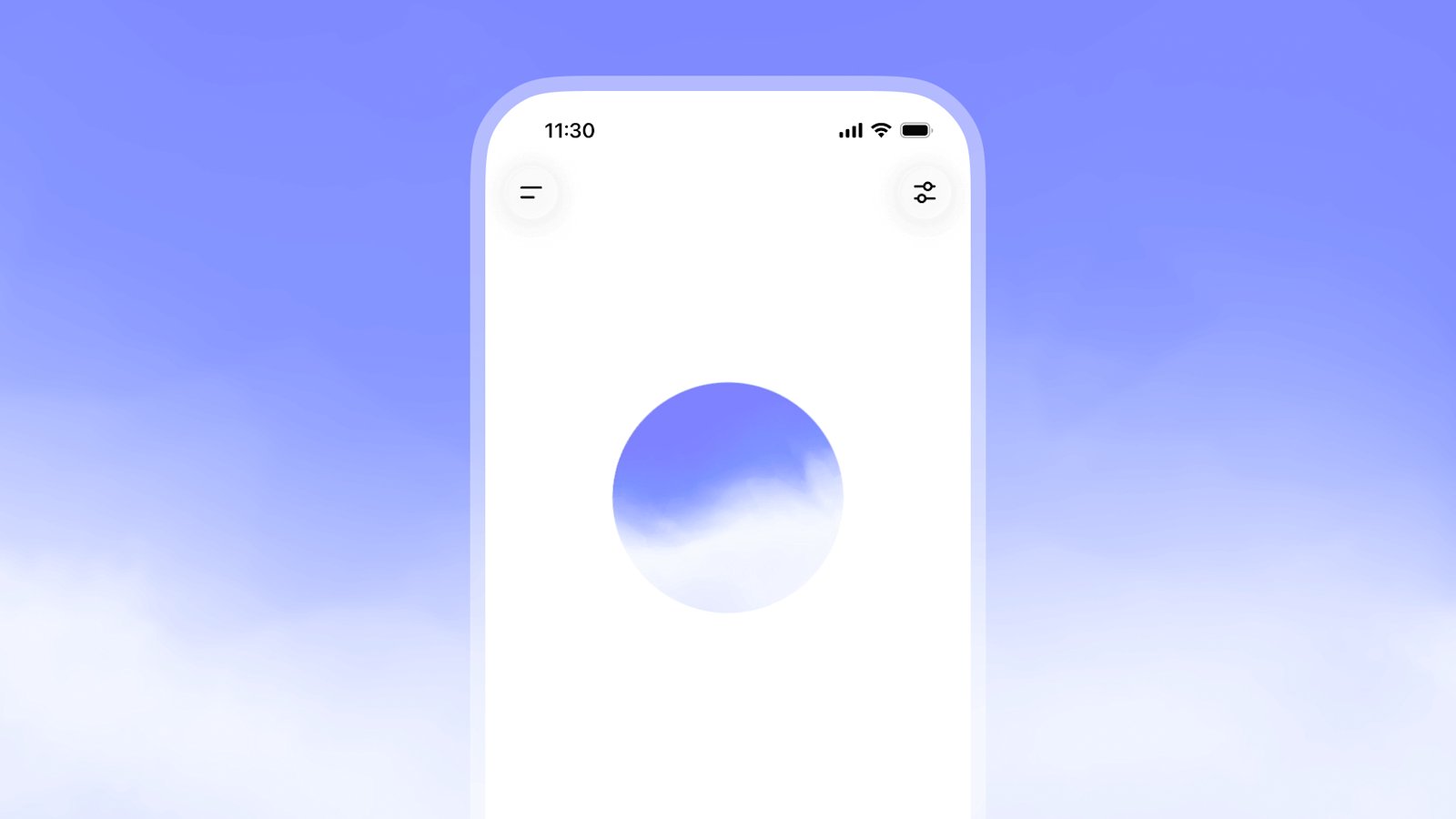
The company has officially introduced GPT-Live, a new family of real-time voice models designed to make conversations with ChatGPT feel less like issuing commands to a chatbot and more like speaking with another person. Unlike traditional voice assistants that wait for you to finish talking before responding, GPT-Live can listen and speak simultaneously, allowing natural interruptions, smoother conversations and live language translation. OpenAI announced the technology in its official launch, with the rollout beginning for ChatGPT users across mobile, web and desktop.
If that sounds like a subtle improvement, it isn’t.
It represents one of the biggest changes to ChatGPT’s user experience since the chatbot first launched.
For OpenAI, the keyboard is no longer the primary interface.
Your voice is.
One of the biggest frustrations with earlier voice assistants including previous versions of ChatGPT was that conversations never quite felt natural.
Users had to wait for the AI to finish speaking.
The AI had to wait for users to finish speaking.
Interruptions often confused the system, creating awkward pauses that made conversations feel mechanical.
GPT-Live changes that by introducing full-duplex voice interaction, allowing the model to listen while it speaks, much like humans do during everyday conversations. If you pause to think, the AI no longer assumes you’ve finished. If you interrupt it halfway through an answer, it can adapt without restarting the conversation. According to OpenAI, the experience is designed to make voice interactions feel significantly more fluid and conversational than previous generations.
The result is a system that behaves less like a voice assistant and more like a conversation partner.
That distinction matters.
For years, voice interfaces have promised natural conversations but delivered something closer to turn-based communication.
GPT-Live is OpenAI’s strongest attempt yet to close that gap.
OpenAI isn’t positioning GPT-Live as simply another way to talk to ChatGPT.
Instead, the company wants voice to become a practical productivity tool.
One of the headline features is live translation, allowing users speaking different languages to hold conversations while GPT-Live translates in real time. The system can also handle continuous dictation, making it possible to draft emails, documents or notes simply by speaking naturally rather than stopping after every sentence. CNET, which tested the new experience ahead of the rollout, reported that GPT-Live makes multilingual conversations and long-form dictation feel considerably smoother than earlier voice systems.
OpenAI also says GPT-Live has been designed to know when it should stay quiet.
Rather than constantly interrupting users, the model can remain in listening mode until it’s needed a subtle improvement that makes conversations feel much less intrusive.
Behind the scenes, GPT-Live can even hand difficult reasoning tasks to more powerful GPT models without disrupting the conversation, combining real-time responsiveness with deeper intelligence when necessary.
GPT-Live also reflects a broader trend taking shape across the AI industry.
OpenAI is no longer competing only with traditional chatbots.
Google is rapidly expanding Gemini Live, Meta continues integrating conversational AI across its products, Anthropic is investing in more natural interactions for Claude, and hardware companies are increasingly building devices designed around voice-first AI experiences rather than keyboards.
That shift suggests the next major competition in artificial intelligence won’t simply be about building smarter models.
It will be about building AI that feels invisible.
The less users think about prompts, keyboards or interfaces, the more successful these systems become. Voice may prove to be the fastest path toward that goal. GPT-Live is more than another model release.
It’s OpenAI’s clearest signal yet that the future of ChatGPT isn’t centred on typing questions into a text box.
It’s centred on conversation.
If the technology delivers on its promise, people may increasingly treat ChatGPT less like software and more like someone they can simply talk to.
That would represent a profound change in how humans interact with artificial intelligence.
The chatbot era taught us how to ask AI questions.
GPT-Live is trying to teach AI how to join the conversation.
Related Reading
More contextual TechBooky stories selected from tags, categories and article context.
Paul Balo is the founder of TechBooky and a highly skilled wireless communications professional with a strong background in cloud computing, offering extensive experience in designing, implementing, and managing wireless communication systems.
We use cookies to ensure that we give you the best experience on our website. If you continue to use this site we will assume that you are happy with it.