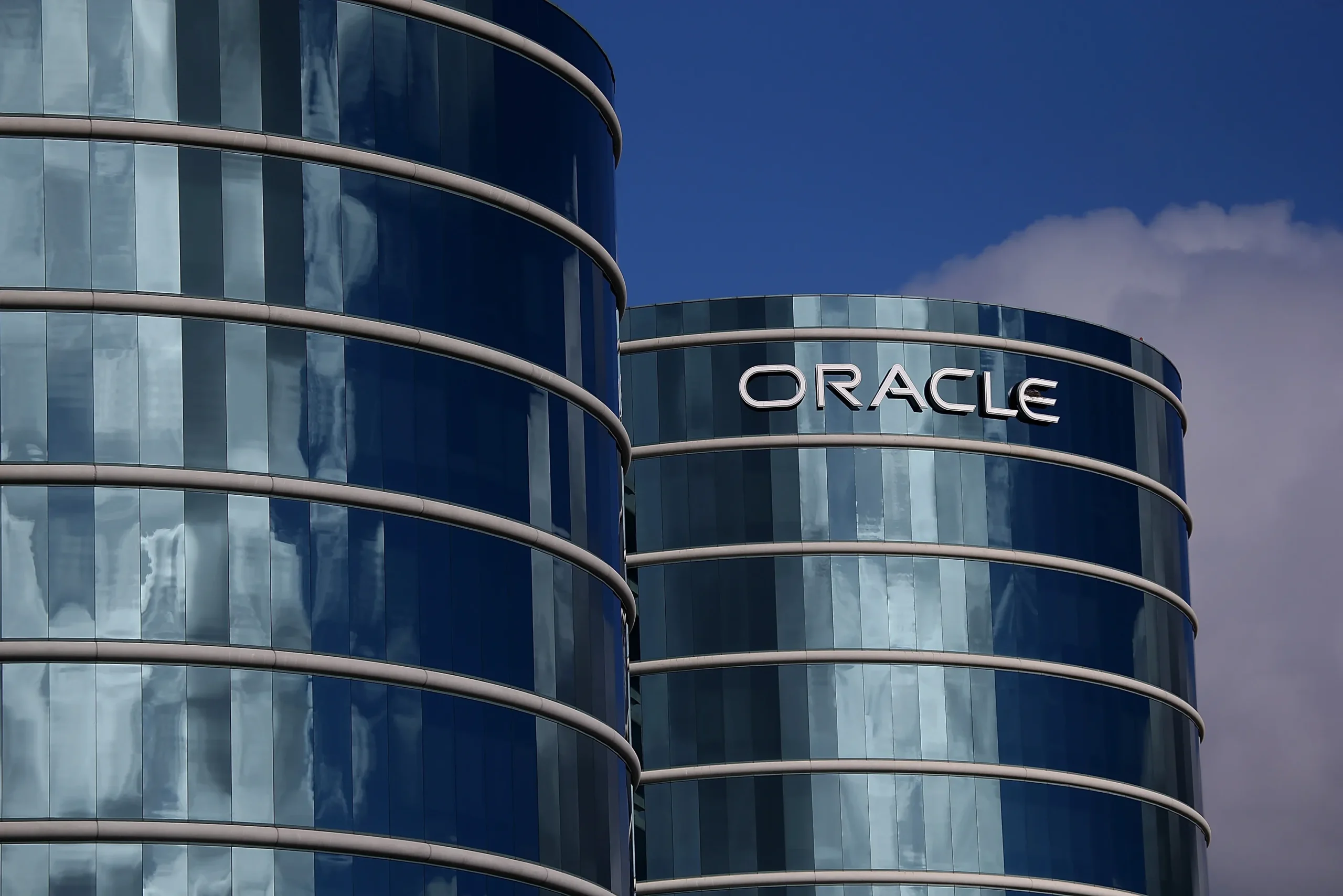
Oracle is cutting thousands of jobs and it’s not because the company is shrinking. It’s because AI is getting more expensive.
The tech giant has begun a sweeping round of layoffs across multiple divisions, part of a broader restructuring tied directly to its aggressive push into artificial intelligence infrastructure.
On paper, it looks like cost-cutting. In reality, it’s capital reallocation at scale.
Oracle is pouring billions into AI data centres, chips, and cloud infrastructure needed to compete with the likes of Amazon and Google. That investment isn’t optional anymore. It’s the price of staying relevant in the AI era.
And something has to give.
In this case, it’s jobs.
This is the part of the AI boom that rarely makes the headlines.
Companies aren’t just building AI, they’re funding it by reshaping their entire workforce.
Oracle expects to spend up to $2.1 billion on restructuring, much of it tied to layoffs and organizational changes. And analysts suggest that deeper cuts potentially tens of thousands of roles could free up billions more in cash to sustain its AI ambitions.
The logic is simple. AI infrastructure is expensive. Human labour is, comparatively, flexible. So companies are shifting resources from one to the other.
But there’s a deeper signal here and it’s more unsettling.
This isn’t just Oracle. Across the tech industry, layoffs are increasingly tied not to downturns, but to AI investment. More than 40,000 tech workers have already been cut in 2026 as companies redirect spending toward AI systems and automation.
That flips the usual narrative.
For years, AI was framed as a productivity tool something that would augment workers. Now, it’s starting to look like a financial tradeoff.
Less payroll. More compute. Oracle’s situation makes that trade-off especially clear.
The company is betting heavily on AI infrastructure, including massive data centre projects and partnerships tied to next-generation models. At the same time, its stock has struggled, and investors are questioning whether the spending will pay off.
That creates pressure. And layoffs become the release valve. There’s also an uncomfortable irony.
Some of the roles being cut sit in the same cloud and software divisions that Oracle is trying to grow. Engineers, operations teams, and support staff are being reduced even as demand for AI infrastructure surges.
Which raises a bigger question: Is AI just another growth driver or is it actively compressing the need for traditional tech roles?
Right now, it looks like both. Because this isn’t really about Oracle. It’s about what happens when an entire industry pivots at once.
AI isn’t just creating new opportunities it’s forcing companies to rethink how they allocate capital, how they build products, and increasingly, how many people they actually need.
And if this trend continues, the AI boom won’t just be measured in valuations and funding rounds.
Paul Balo is the founder of TechBooky and a highly skilled wireless communications professional with a strong background in cloud computing, offering extensive experience in designing, implementing, and managing wireless communication systems.
We use cookies to ensure that we give you the best experience on our website. If you continue to use this site we will assume that you are happy with it.