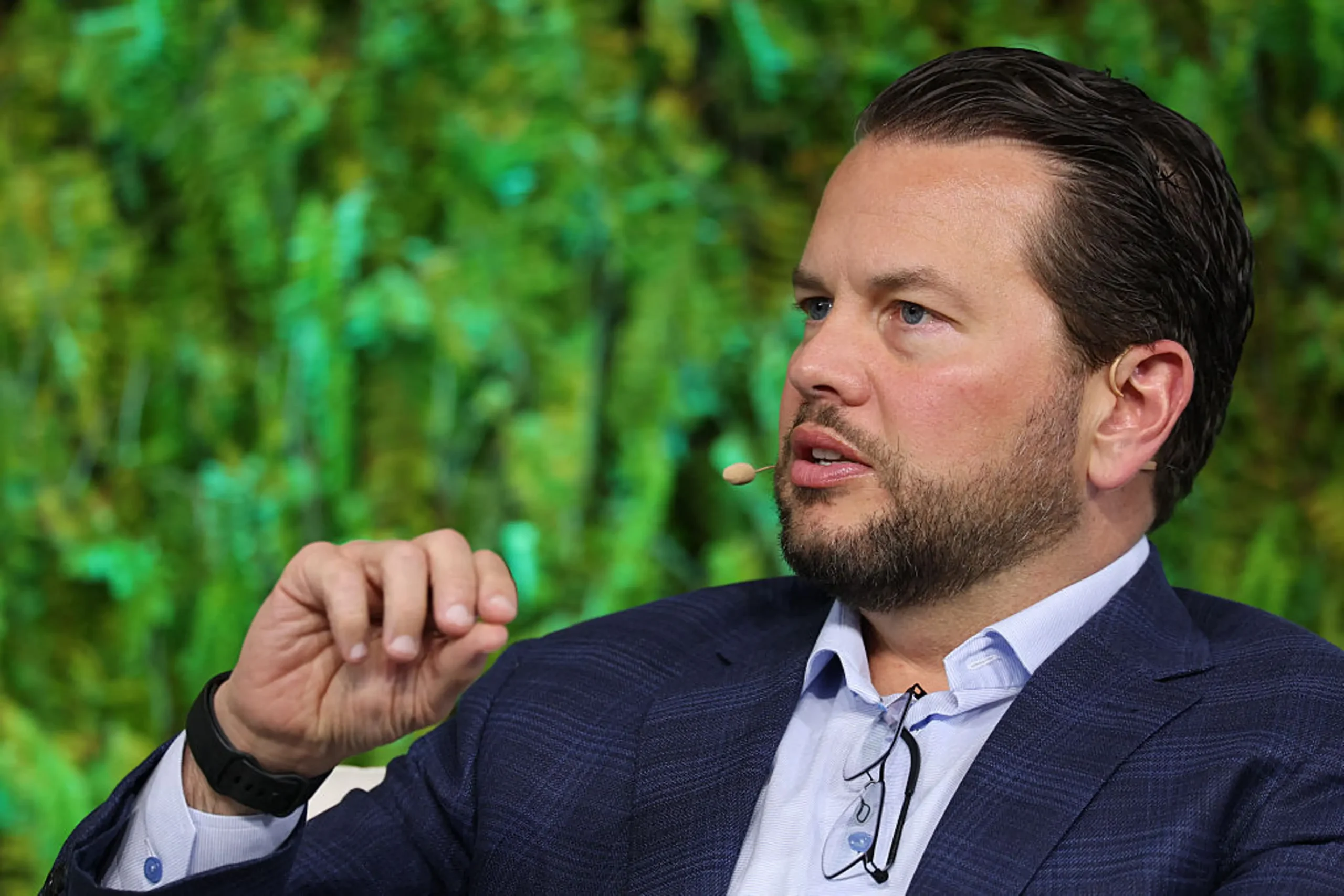
Pinterest CEO Bill Ready is calling for governments to bar teens under 16 from using social media, arguing that today’s platforms are not safe for young people. In an opinion piece published by Time, he backs an Australian law that bans younger teens from social networks and urges other countries to follow with similar rules.
“Social media, as it’s configured today, is not safe for young people under 16,” Ready writes in the piece. “We need a clear standard: no social media for teens under 16, backed by real enforcement, and accountability for mobile phone operating systems and the apps that run on them.”
That stance makes Ready one of the most prominent tech leaders to explicitly endorse a broad under-16 social media ban. It also raises an obvious question: what counts as “social media” when the CEO in question runs a platform that’s heavily used by younger audiences.
Why Pinterest Says It’s Different
More than half of Pinterest’s user base is Gen Z, according to Ready. Yet he argues the kind of ban he’s supporting should not apply to his own company.
Ready points to Pinterest’s product design and policies for younger users. According to the details cited from his Time piece and subsequent statements:
Pinterest bars users under 16 from accessing messaging and other social features.
Accounts for teens under 16 are set to private by default.
A Pinterest spokesperson, quoted on the policy stance, said the company does not plan to change its rules for users under 16 in light of Ready’s call for a wider ban. The spokesperson also described Pinterest as a “visual search platform,” not a social media service.
Like most large online platforms in and around the social media category, Pinterest does not allow users under 13 to sign up at all.
Ready argues that Pinterest’s safeguards haven’t hurt growth with younger users. Instead, he frames them as a competitive advantage: “Our experience shows that prioritizing safety and well-being doesn’t push young people away; it builds trust,” he writes.
Despite its positioning as a safer alternative, Pinterest has faced serious questions about how its recommendation algorithms handle content involving children.
In 2023, an NBC News investigation reported that Pinterest’s recommendation system was surfacing photos and videos of young girls to adults “seeking” such content. According to that report, some adults had created Pinterest boards featuring images of young girls with titles like “sexy little girls.”
Roughly six months after that investigation, Pinterest made profiles for users under 16 private and “not discoverable,” limiting how those accounts can be found on the platform.
Ready’s current call for an under-16 social media ban lands in this context of heightened scrutiny. While he is pushing for strict limits across the industry and greater “accountability for mobile phone operating systems and the apps that run on them,” Pinterest is simultaneously arguing it should sit outside any new restrictions, based on its feature set and how it classifies itself.
Whether policymakers ultimately treat Pinterest as social media or accept its “visual search platform” label could determine how much Ready’s proposed under-16 ban would actually affect his own company.
Paul Balo is the founder of TechBooky and a highly skilled wireless communications professional with a strong background in cloud computing, offering extensive experience in designing, implementing, and managing wireless communication systems.
We use cookies to ensure that we give you the best experience on our website. If you continue to use this site we will assume that you are happy with it.