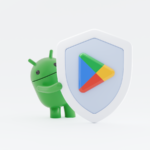
With the continuous growth in popularity of mobile devices, particularly Android, cybercriminals have become more focused on attempting to exploit these systems. As reported by Strategy Analytics, Android devices constitute a majority of smartphones sold worldwide, making it an attractive target for those with malicious intent. The reach of such cyber threats is global and not limited to certain geographical regions.
According to Bogdan Botezatu, a senior e-threat analyst for BitDefender, it has become increasingly easy to infuse Android apps with malware, with no requirement for coding knowledge. He emphasizes that a common misconception among users is seeing their phones just as communication devices, overlooking the fact they are computing devices susceptible to malware attacks just like PCs.
Deriving from Botezatu’s insights, the primary threat facing Android devices is privacy invasion, with the most common types of malware threatening to intercept messages, monitor calls, steal personal data, or eavesdrop via the device’s microphone, regardless of the platform they’re employed on.
Considering the increasing sophistication of techniques employed by cybercriminals, it’s concerning to know that many mobile devices remain unprotected. As Botezatu points out, only a mere 5% of smartphones and tablets have some form of antivirus protection installed – a statistic derived from IDC’s research.
In addition to antivirus apps, other measures can help protect against mobile malware. It’s crucial to only download apps from verified stores, such as those provided by Google, Amazon, Samsung, major manufacturers, or carriers. These platforms actively monitor and scan for apps containing harmful content. However, it’s worth noting that occasionally, malicious apps can thwart these safeguards, often by pretending to be legitimate software.
Google has integrated settings into Android to help combat malicious attacks. For devices running Android 2.2 or higher, a built-in malware scanner offers protection. Furthermore, devices running Android 4.2 or higher have an added layer of protection against premium SMS charges. It’s also crucial to keep device software regularly updated to ensure maximum security.
Options for additional protection are plentiful in the Google Play store, with a multitude of antivirus apps available. Selecting one can be daunting due to the vast selection, but established names like Avast, AVG, BitDefender, Kaspersky, Sophos, Symantec (Norton), and TrendMicro, as well as newer candidates like Lookout and TrustGo, provide effective defense against malware, ensuring the safety of your mobile device.
Light edits were made in 2025 to improve clarity and relevance.
Paul Balo is the founder of TechBooky and a highly skilled wireless communications professional with a strong background in cloud computing, offering extensive experience in designing, implementing, and managing wireless communication systems.
We use cookies to ensure that we give you the best experience on our website. If you continue to use this site we will assume that you are happy with it.