The disruption wasn’t minor. Payment systems across the country reportedly failed, with services like transit systems and businesses unable to process digital transactions. At one point, cash became the only reliable option nationwide. On the surface, it looks like a technical glitch.
But the underlying cause points to something deeper and more fragile.
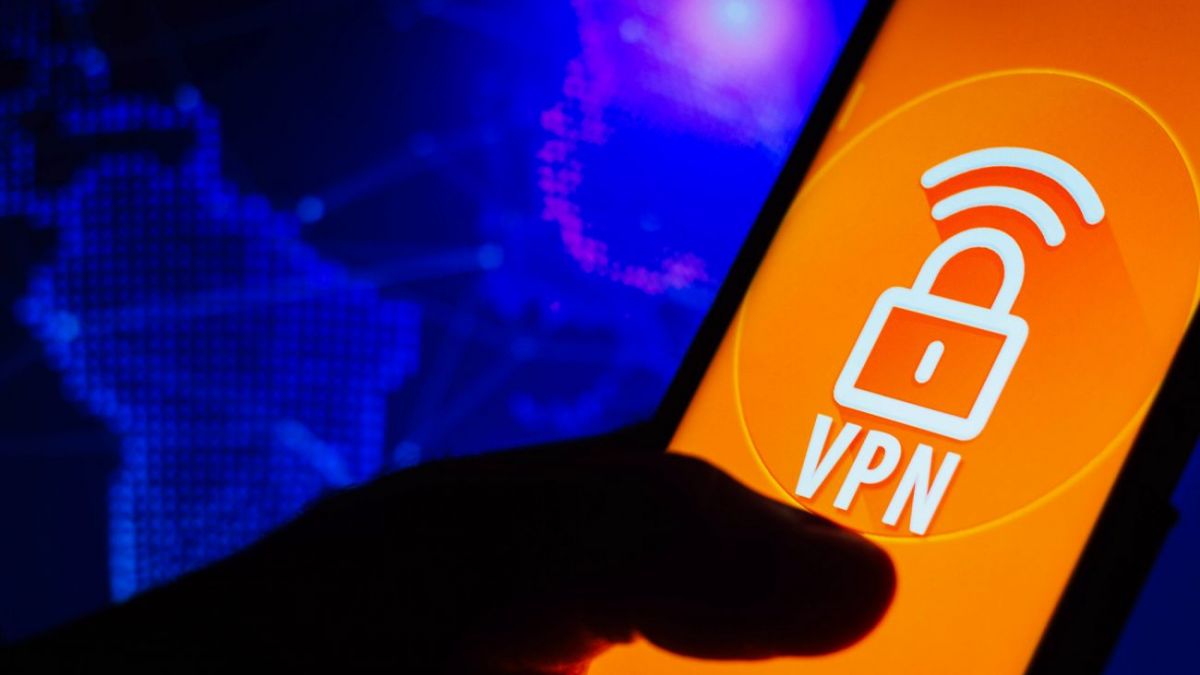
Russia has been intensifying efforts to control its internet, targeting VPNs that millions of citizens rely on to bypass restrictions on platforms like Telegram and YouTube. These controls depend on complex filtering systems designed to detect and block encrypted traffic.
And that’s where things appear to have gone wrong.
Experts say the outage may have been caused by an overload or failure in those filtering systems essentially, the infrastructure designed to control the internet ended up destabilizing it instead.
It’s a familiar pattern, just at a much larger scale.
Back in 2018, Russia’s attempt to block Telegram led to widespread collateral damage, accidentally disrupting unrelated services hosted on shared cloud infrastructure. This time, the stakes are higher: instead of apps breaking, it’s financial systems.
And that changes the equation.
Because modern economies don’t just run on the internet, they depend on it.
The outage also highlights the growing tension between control and stability. As governments push deeper into network-level censorship, they’re increasingly interfering with the same infrastructure that powers essential services like banking, transport, and communications.
That creates a risky tradeoff.
Tighten control too much, and the system itself starts to crack.
Russia’s broader strategy makes that risk even more pronounced. Authorities have been steadily restricting access to foreign platforms while promoting a state-backed “super app” designed to replace them. At the same time, hundreds of VPN services have already been blocked, with efforts accelerating in recent months.
But as this incident shows, controlling a modern internet isn’t as simple as flipping a switch.
The infrastructure is too interconnected. The dependencies run too deep.
And when something breaks, it doesn’t stay contained.
For now, Russian authorities haven’t fully explained what caused the outage. But the message from the incident is already clear:
The more aggressively you try to control the internet, the more you risk breaking the systems built on top of it.
Paul Balo is the founder of TechBooky and a highly skilled wireless communications professional with a strong background in cloud computing, offering extensive experience in designing, implementing, and managing wireless communication systems.
We use cookies to ensure that we give you the best experience on our website. If you continue to use this site we will assume that you are happy with it.