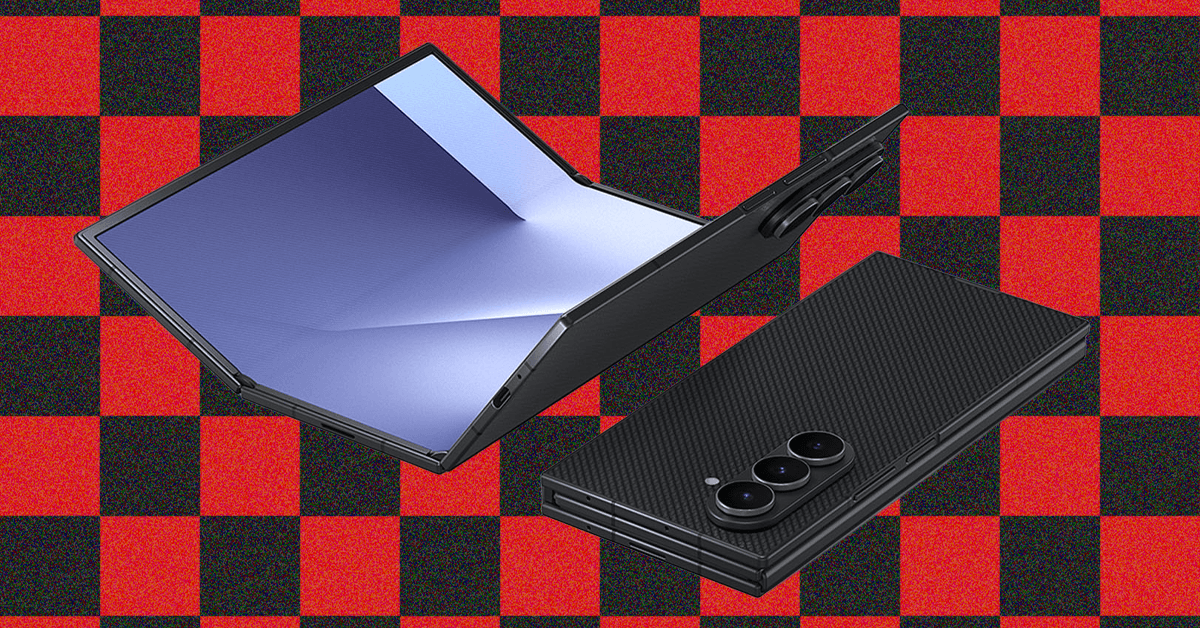
Samsung’s first Galaxy Z TriFold, a folding phone with a transformative 10-inch screen, sold out within minutes of going on sale last Friday. Distinguished from the Galaxy Z Fold7 by its expansive display that unfolds into a tablet, the TriFold carries a premium price tag of $2,899. Available initially in select Samsung Experience Stores across the US—including New York, Texas, California, and Minnesota—Samsung advises interested buyers to register at Samsung.com for updates on the next availability.
Meanwhile, Google appears to be progressing its plan to merge Android and ChromeOS platforms into a new operating system internally named Aluminium OS. A leaked glimpse, traced back to 9to5Google, showcased an interface blending Android 16’s desktop mode elements with ChromeOS’s windowing system. The interface features a taskbar and start screen reminiscent of Android, alongside split-screen multitasking with Chrome and a separate Play Store window. Though limited in scope, these insights suggest Aluminium OS aims for a seamless convergence without radically departing from familiar user experiences—a factor that could facilitate Chromebook adoption, especially in education markets. Though ChromeOS replacement by Aluminium OS may be years away, an official launch is rumoured for later this year.
Browser and Display Innovations, plus Bluetooth Audio at Frankfurt Airport
In contrast to the AI integration trends among major browsers, Vivaldi stands firm against embedding AI assistants. Its CEO, Jon von Tetzchner, positions Vivaldi 7.8 as the choice for users preferring human-centric tools over automated AI. This update enhances tab organization with a drag-and-drop tiling feature, enabling users to position tabs side-by-side or stacked by dragging one tab onto another. Additional improvements include easier access to the integrated mail client and options to restrict pinned tabs to specific domains. The browser can be downloaded from the official Vivaldi website.
Samsung is also advancing sustainability with a new e-paper display that incorporates phytoplankton-based bio-resin alongside recycled plastics in its housing. Verified by UL, this material blend replaces traditional petroleum-based plastics and reduces manufacturing carbon emissions by over 40%. These rechargeable, high-resolution displays target retailers wanting to replace paper signage with digital alternatives, reducing waste through easily updated content via USB-C.
On the accessibility front, Frankfurt Airport has initiated a trial of Bluetooth Auracast technology at two busy gates to stream gate announcements directly to passengers’ hearing aids, earbuds, and smartphones. This approach improves audio clarity and convenience for travelers by delivering boarding calls and updates via Bluetooth-enabled devices and compatible apps. Developed by German firm Sittig Technologies through its PAXGuide platform, Auracast supports multiple simultaneous audio connections, potentially extending to public spaces like gyms and cinemas. This trial signals promising advances in broadcast technology accessibility and convenience.
Paul Balo is the founder of TechBooky and a highly skilled wireless communications professional with a strong background in cloud computing, offering extensive experience in designing, implementing, and managing wireless communication systems.
We use cookies to ensure that we give you the best experience on our website. If you continue to use this site we will assume that you are happy with it.