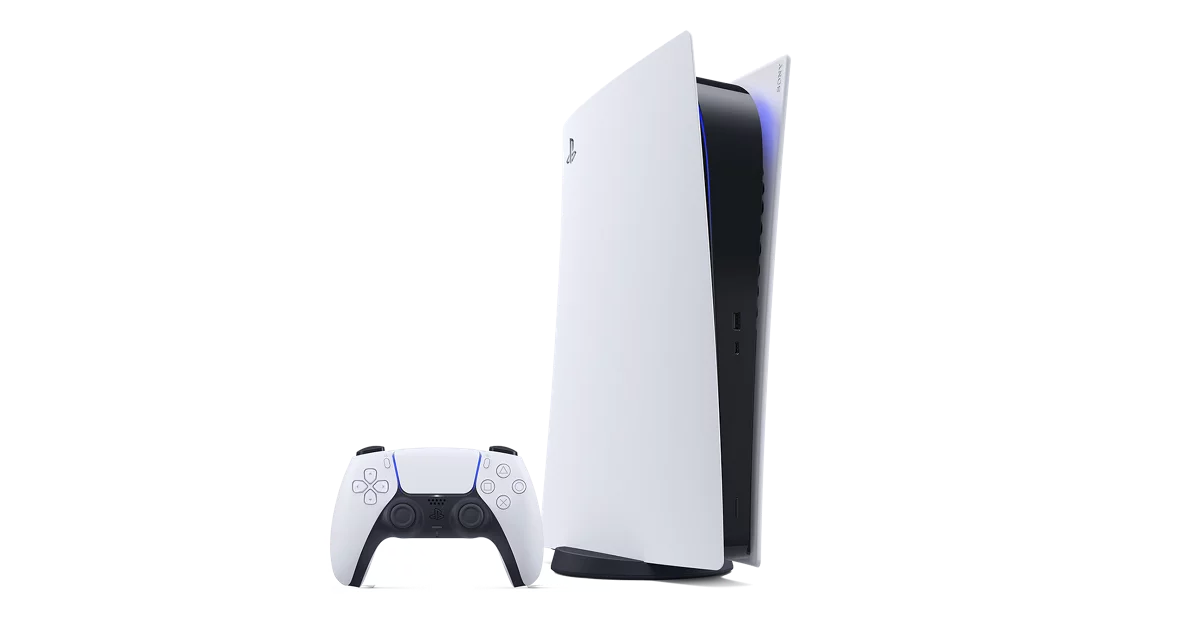
Sony is doing something almost unheard of in modern gaming; making its consoles more expensive years after launch.
In a move confirmed via the official PlayStation blog, Sony says it will raise prices for the PlayStation 5 line-up globally starting April 2, 2026 impacting not just the base console, but also the PS5 Pro and the PlayStation Portal.
The new pricing is steep. In the U.S., the standard PS5 jumps to $649.99, the Digital Edition to $599.99, and the PS5 Pro to $899.99. In the U.K., the base model will now cost £569.99, with similar increases across Europe and Japan. The PlayStation Portal also rises to $249.99.
Sony frames the decision as unavoidable, pointing to “continued pressures in the global economic landscape.” But behind that corporate phrasing is a broader industry reality: the cost of building gaming hardware is rising, not falling.
That’s a major shift. Traditionally, consoles get cheaper over time as manufacturing improves and components become more affordable. Instead, Sony is now raising prices for the second time in less than a year a reversal that underscores how unusual current market conditions have become.
One key driver is the global surge in demand for memory chips, fuelled in part by AI infrastructure. As cloud providers and AI companies compete for the same components used in consoles, prices for critical hardware like RAM have climbed significantly.
The ripple effects are already visible. Analysts say higher console prices could slow adoption, especially as gamers face rising costs across the board—from hardware to games themselves. Sony’s own sales data has hinted at that pressure, with recent declines in PS5 unit sales year over year.
And Sony isn’t alone. Microsoft and Nintendo have also adjusted pricing on consoles and accessories in recent months, signalling an industry-wide recalibration rather than a one-off decision.
Still, the optics are tough. The PlayStation 5 is now nearly six years into its lifecycle, a point where gamers typically expect discounts—not price hikes. For many, especially in price-sensitive markets, the increase could push them toward alternatives like PC gaming, second-hand consoles, or subscription-based cloud gaming services.
For Sony, though, the bet is clear: protect margins now, even if it risks slowing hardware momentum.
Because if the economics of gaming hardware have truly changed, this price hike may not be an exception, it could be the new normal.
Paul Balo is the founder of TechBooky and a highly skilled wireless communications professional with a strong background in cloud computing, offering extensive experience in designing, implementing, and managing wireless communication systems.
We use cookies to ensure that we give you the best experience on our website. If you continue to use this site we will assume that you are happy with it.