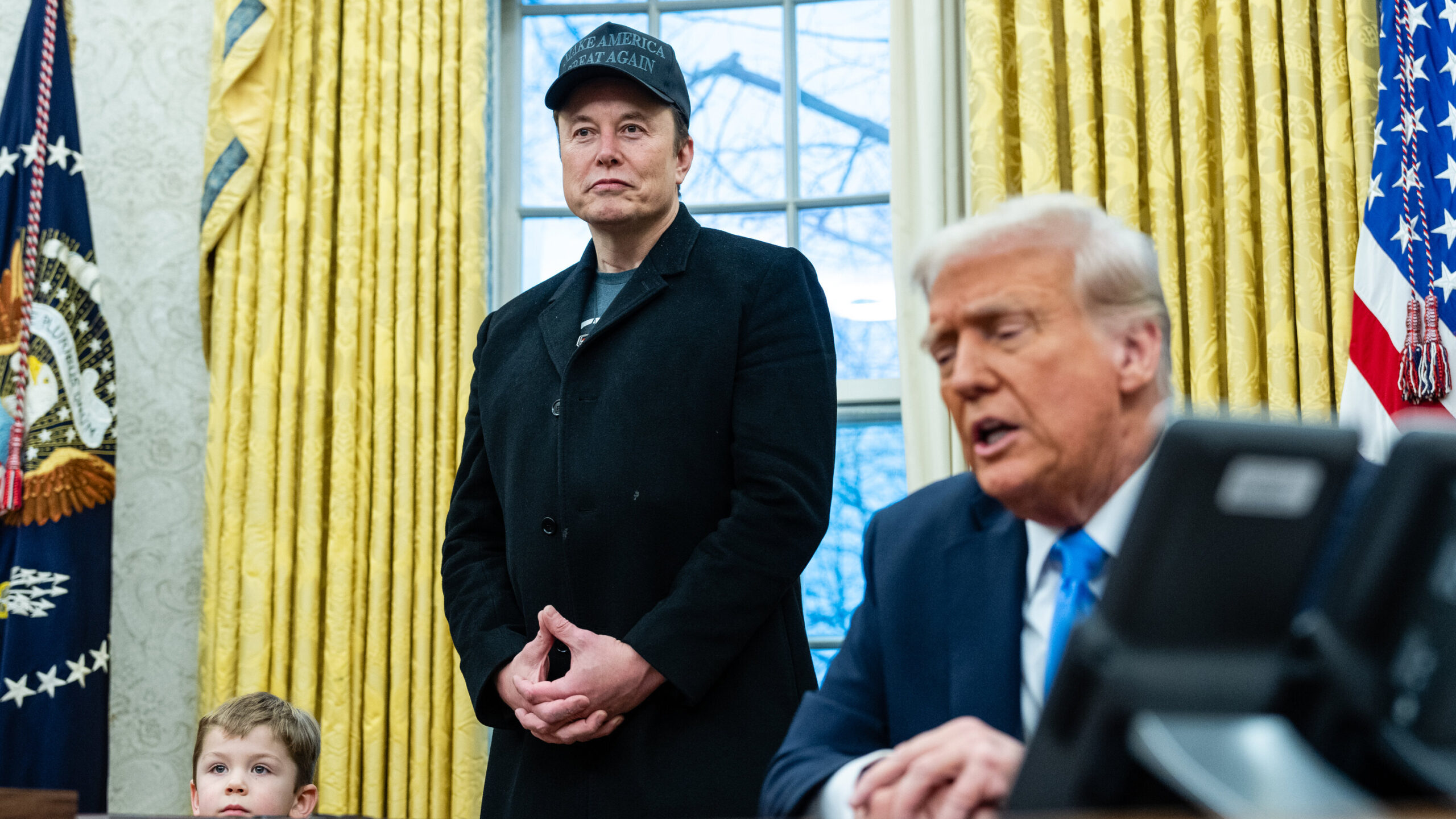
It finally happened. After months of increasingly tense sub-tweets and closed-door lobbying, Donald Trump and Elon Musk detonated their alliance in full public view on June 5. Within hours the US President threatened to cancel every federal contract Musk’s empire depends on, and the billionaire fired back by announcing he will decommission SpaceX’s Dragon capsule—the only U S. vehicle capable of ferrying astronauts to the International Space Station.
The split was triggered by Musk’s scorched-earth campaign against Trump’s gargantuan “One Big Beautiful Bill” spending package. Calling the measure a “disgusting abomination,” Musk urged Congress to “KILL THE BILL,” warning it would heap trillions onto the national debt. Trump, stung and “very disappointed,” shot back on Truth Social that the “easiest way to save billions” was simply to terminate Musk’s subsidies and contracts.
Musk retaliated with the nuclear option: grounding Dragon “immediately.” NASA has paid about $4.9 billion for the capsule, and without it America must hitch rides with Russia’s Soyuz to reach orbit—an outcome that horrifies the Pentagon and delights Moscow in equal measure. Industry analysts say yanking Dragon could delay ISS crew rotations by a year and jeopardize future Artemis timelines.
Markets recoiled. Tesla shares cratered 14.3 percent in a single session, erasing roughly $150 billion in market value and dragging the Nasdaq with them; even Trump Media (DJT) dropped 8 percent as investors balked at an Oval Office brawl spilling into policy.
Trump insists Musk’s outrage isn’t about fiscal discipline at all. In the Oval Office he claimed the mogul soured only after the White House rejected Musk’s pick to run NASA—an appointment that would have given SpaceX unprecedented influence over future missions—and after learning that EV tax credits might be cut. Musk, Trump said, had asked for “billions and billions” in favours before turning adversary.
For Washington and Silicon Valley alike, the feud is a governance nightmare. A president who wields procurement as a political cudgel meets a contractor willing to blow up essential infrastructure to make a point. Allies in the tech community fear collateral damage: chilled venture investment, politicized antitrust probes, and another culture-war flashpoint just as AI regulation enters crunch time. Some on Capitol Hill already talk of new guardrails separating critical-path government projects from single-supplier dominance—code for “find a non-Musk launch option, fast.”
Seen in hindsight, the implosion feels inevitable. Two men defined by towering ambition, thin skin, and an appetite for spectacle were never built for a long-term partnership. They thrived while aligned—Musk’s donations and engineering bravado burnished Trump’s pro-business image, and Trump’s patronage turbo-charged Musk’s sway in Washington—but the same combustible temperaments made a blow-up only a matter of time.
Where does it leave America? With its premier space program in limbo, financial markets on edge, and a tech sector forced to wonder whether today’s megaproject could become tomorrow’s bargaining chip. If cooler heads don’t prevail, the United States risks handing strategic advantage—economic, technological, even geopolitical—to rivals happy to watch two of its most influential figures torch each other in real time.
For business leaders and policymakers, the lesson is stark: when personal vendettas hijack national priorities, the fallout spreads far beyond the principals. And in the Trump-Musk saga, the collateral damage has only just begun.
Paul Balo is the founder of TechBooky and a highly skilled wireless communications professional with a strong background in cloud computing, offering extensive experience in designing, implementing, and managing wireless communication systems.
We use cookies to ensure that we give you the best experience on our website. If you continue to use this site we will assume that you are happy with it.