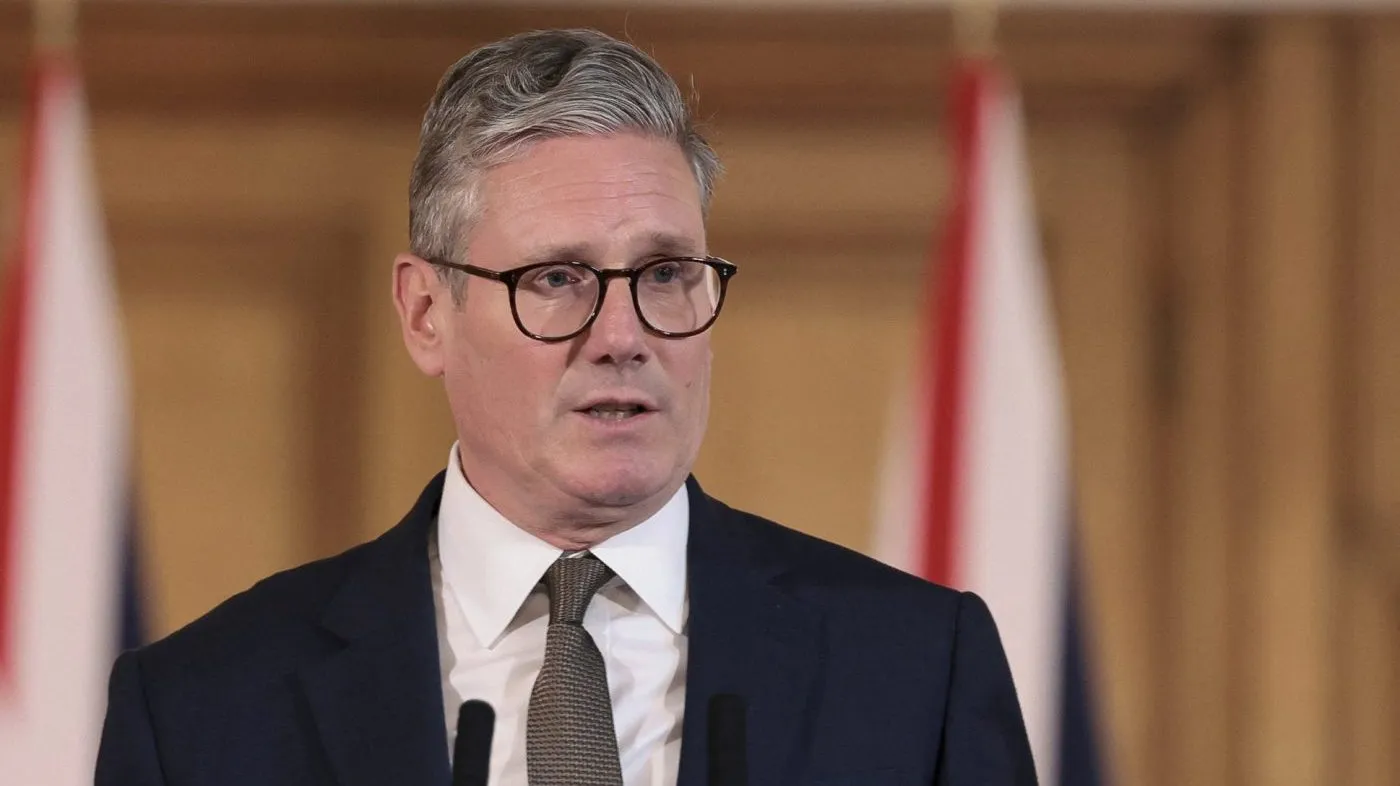
Britain is preparing to draw one of the clearest lines yet between children and social media, with Prime Minister Keir Starmer announcing plans to block under-16s from major platforms in a move that could reshape how governments around the world regulate Big Tech.
According to Reuters, the proposed ban would apply to platforms such as TikTok, Instagram, Snapchat, YouTube, Facebook and X, while messaging services like WhatsApp and Signal are expected to be excluded. The UK government says the goal is simple but politically explosive: to “give kids their childhood back” by reducing exposure to addictive design, stranger contact, harmful content and the mental health pressures increasingly associated with life online.
This is not just another child-safety policy buried inside a wider internet regulation package. It is a direct challenge to the social media business model itself. For years, platforms have argued that better moderation, parental controls and algorithmic safety tools could protect young users without shutting them out entirely. Britain now appears to be saying that may no longer be enough.
The government says the ban will follow extensive consultation with parents, teachers, young people and industry players. More than 116,000 responses were reportedly received, with a strong majority of parents backing a minimum age of 16 for social media access. The official UK announcement says platforms will be blocked from offering services to under-16s, marking what ministers describe as a new standard for childhood in the digital era. You can read the government’s position here.
The UK is not acting in isolation. Australia has already moved ahead with its own under-16 social media restrictions, which came into effect in December 2025. Australia’s eSafety Commissioner says age-restricted platforms removed access to millions of under-16 accounts after the law took effect. Britain is now borrowing from that playbook, but with the potential to influence Europe, North America and other markets where governments are under growing pressure to prove they can protect children online.
For Big Tech, the implications are serious. Social media platforms may be forced to adopt stronger age verification systems, redesign parts of their products for younger users, or risk losing access to an entire age group. The UK’s Online Safety Act already gives regulators more power to demand safer online experiences for children, and Ofcom has also pushed for stronger age checks to stop children from accessing harmful content.
But the hard part is enforcement. A ban on paper is one thing; stopping teenagers from finding workarounds is another. VPNs, borrowed accounts, fake dates of birth and shared family devices could all complicate implementation. Privacy campaigners will also be watching closely because serious age verification often requires platforms or third-party providers to collect more personal information from users. That creates a delicate trade-off: the more effective the age check, the more sensitive the privacy questions become.
There is also the social argument. For many teenagers, social media is not simply entertainment. It is where they talk to friends, follow creators, learn trends, join communities and, increasingly, discover news. Cutting off access could reduce some harms, but critics will argue that it may also push young people toward less regulated spaces or deepen the divide between children whose parents can help them navigate technology and those who are left to figure it out alone.
Still, the political mood has shifted. Governments that once treated social media as an innovation success story are now looking at it through the lens of public health, child protection and platform accountability. The question is no longer whether children should be safer online. The question is whether the current internet can be made safe enough for them without forcing platforms to give up some of the engagement-driven features that made them so powerful in the first place.
For parents, the UK move may feel like long-overdue support. For tech companies, it is another sign that self-regulation has lost credibility. And for the rest of the world, Britain’s under-16 social media ban could become a test case for a much bigger idea: that access to the digital world should no longer be designed only around growth, attention and advertising, but around age, safety and responsibility.
If the policy takes effect as planned around next spring, the UK will become one of the most important battlegrounds in the global debate over children and technology. And whether the ban works perfectly or not, it sends a message that Big Tech can no longer assume young users are simply another growth market.
Paul Balo is the founder of TechBooky and a highly skilled wireless communications professional with a strong background in cloud computing, offering extensive experience in designing, implementing, and managing wireless communication systems.
We use cookies to ensure that we give you the best experience on our website. If you continue to use this site we will assume that you are happy with it.