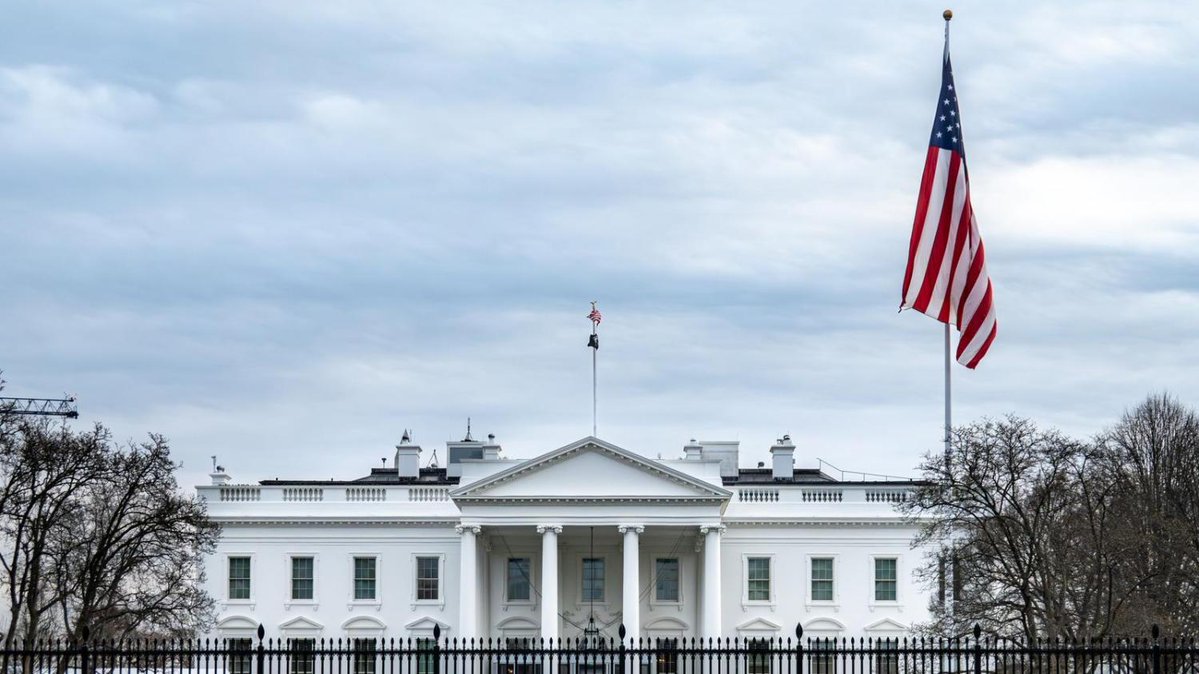
The White House is considering a shift toward tighter federal oversight of artificial intelligence, including the possibility of reviewing new AI models before they are released to the public, according to a New York Times.
Sources told the publication that the Biden administration may set up a new working group focused on AI development. One of the options on the table is to give this committee authority to vet advanced models ahead of launch, effectively adding a formal government checkpoint to the current industry-led rollout process.
No final framework has been agreed, and the internal discussions may still end without any concrete policy changes. However, the reported proposals signal a notable departure from the more hands-off posture reflected in the White House’s earlier AI Action Plan, which was seen as granting many of the concessions sought by major AI companies while leaving room for unintended consequences.
The New York Times report suggests the administration could look to the United Kingdom for inspiration. In the UK, multiple layers of governmental oversight are used to confirm that AI models meet certain safety standards before they move forward. That approach itself is far from settled, with the UK grappling with its own political and policy disputes around AI regulation, but it offers at least one concrete model for pre-release scrutiny.
If the US were to establish a federal committee with the power to review AI models before public deployment, it would mark a significant rebalancing of responsibilities between government and industry. The earlier AI Action Plan largely trusted companies to self-manage risks in exchange for broad policy support. A vetting group, by contrast, would insert a formal review process that could slow or reshape how cutting-edge systems are introduced.
There is still “a chance the entire concept fizzles and comes to nothing,” underscoring how early and uncertain these deliberations remain. Key details such as what types of models would be subject to review, what safety standards would apply, and how such a committee would coordinate with existing agencies have not been defined publicly.
The broader context is a technology sector that, as the article points out, faces frequent legal challenges and public scrutiny. That has fuelled calls for stronger guardrails around AI, especially as more powerful models are integrated into consumer products, enterprise tools and public services. At the same time, any federal attempt to regulate AI raises its own concerns about whether the administration can design and enforce rules that meaningfully address risks without creating new problems of their own.
For now, the idea of a White House-backed AI working group with potential pre-release review powers remains just that an idea under consideration, with no clear path yet from internal discussion to binding federal policy.
Paul Balo is the founder of TechBooky and a highly skilled wireless communications professional with a strong background in cloud computing, offering extensive experience in designing, implementing, and managing wireless communication systems.
We use cookies to ensure that we give you the best experience on our website. If you continue to use this site we will assume that you are happy with it.