YouTube is rolling out a new AI-driven search feature called “Ask YouTube,” alongside deeper integration of Google’s Gemini Omni model into Shorts and its creator tools, as Google continues its broader overhaul of search across its products.
The new capabilities are aimed at making it easier to find useful videos through conversational queries and to build short-form content with AI assistance, while also giving creators more protection against AI-generated deepfakes.
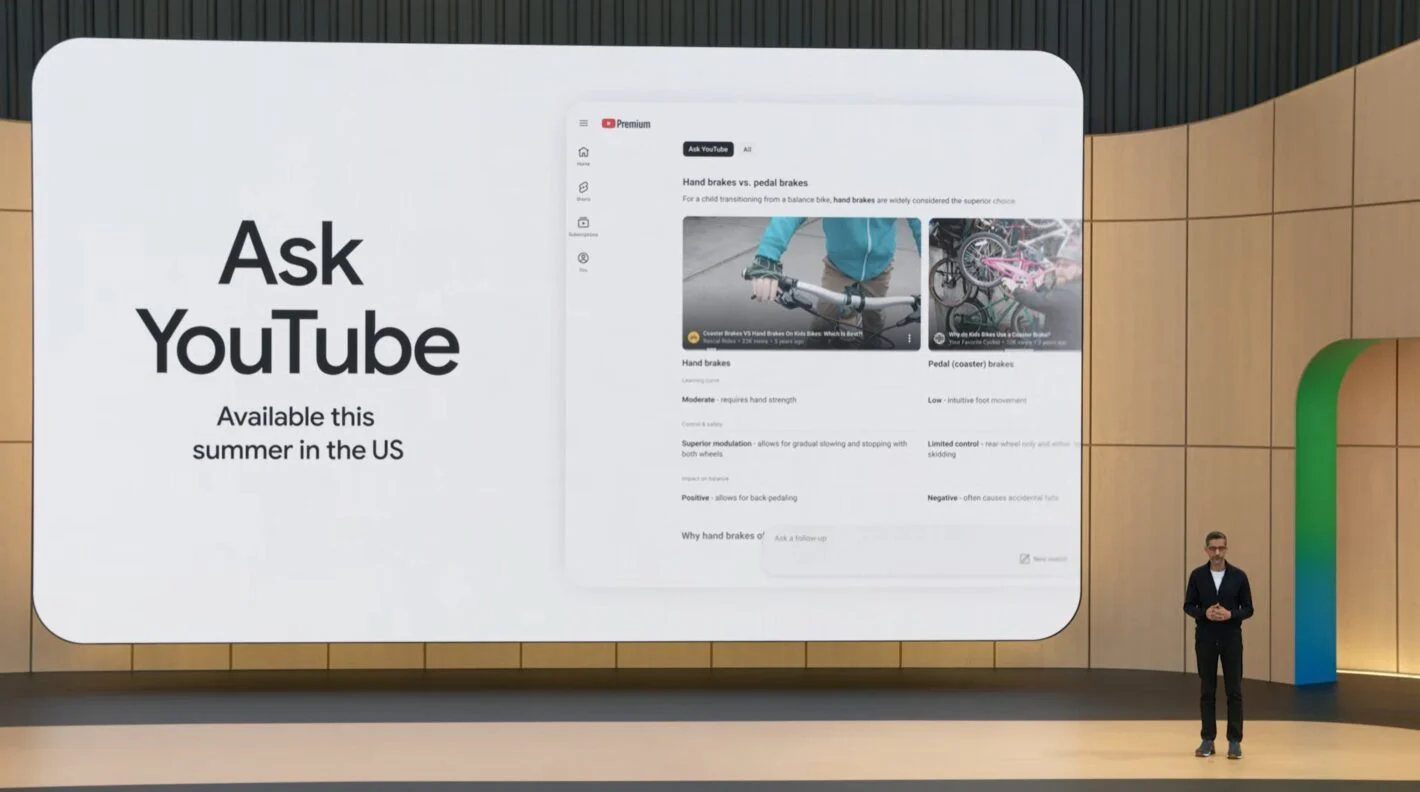
YouTube’s familiar search bar is getting an AI upgrade. With “Ask YouTube,” users can type natural, multi-step questions and follow up with additional prompts to refine results, rather than relying on short, keyword-style searches.
According to YouTube, the tool is designed for queries that require more nuance, such as:
Looking for tips on how to teach a child to ride a bike
Finding creator reviews of specific types of games, like “cozy” titles to play before bedtime
Instead of just listing videos, YouTube will pull from both Shorts and long-form videos and generate a response based on that content. Users can then ask follow-up questions to narrow or shift the focus of what they are looking for.
“Ask YouTube” is available initially as part of YouTube’s optional Premium experiments. Premium subscribers in the U.S. on desktop can start trying the feature now through YouTube’s testbed for new tools.
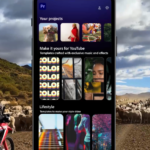
YouTube is also bringing Gemini Omni, Google’s new AI video model, into its short-form ecosystem. The model is being added to YouTube Shorts Remix and the YouTube Create app, giving users AI assistance when reworking or building on existing content.
In a press release, YouTube framed this as a way to help people more easily collaborate and iterate on each other’s ideas: “Remixing with Omni delivers a fresh way for users to create and build on each other’s imagination,” the company said. It added that the model is designed to better interpret what users are trying to achieve, leading to “more consistent and meaningful storytelling” while handling complex video and audio adjustments behind the scenes.
The approach contrasts with some earlier, more overt pushes around AI video in social apps. Other companies, including Meta and OpenAI, have received mixed reactions when encouraging heavy use of AI in short-form feeds. OpenAI went as far as shutting down its social app Sora, which had focused on posting and sharing AI-generated clips. By comparison, YouTube’s rollout of Omni in Shorts appears more integrated into existing workflows rather than presented as a standalone AI video destination.
Alongside the new AI search and creation tools, YouTube is widening access to a likeness-detection feature meant to help creators push back against deepfakes and other unauthorized AI uses of their image.
The tool is now being expanded to creators who are 18 and older. If a creator discovers an AI-generated video that misrepresents them, they can use this system to request that the video be taken down. YouTube positions this as a safeguard against abusive or misleading AI content that uses someone’s appearance without permission.
Because the feature is only just becoming more broadly available, its real-world effectiveness and how consistently it will be enforced remain open questions.
Related Reading
More contextual TechBooky stories selected from tags, categories and article context.
Paul Balo is the founder of TechBooky and a highly skilled wireless communications professional with a strong background in cloud computing, offering extensive experience in designing, implementing, and managing wireless communication systems.
We use cookies to ensure that we give you the best experience on our website. If you continue to use this site we will assume that you are happy with it.