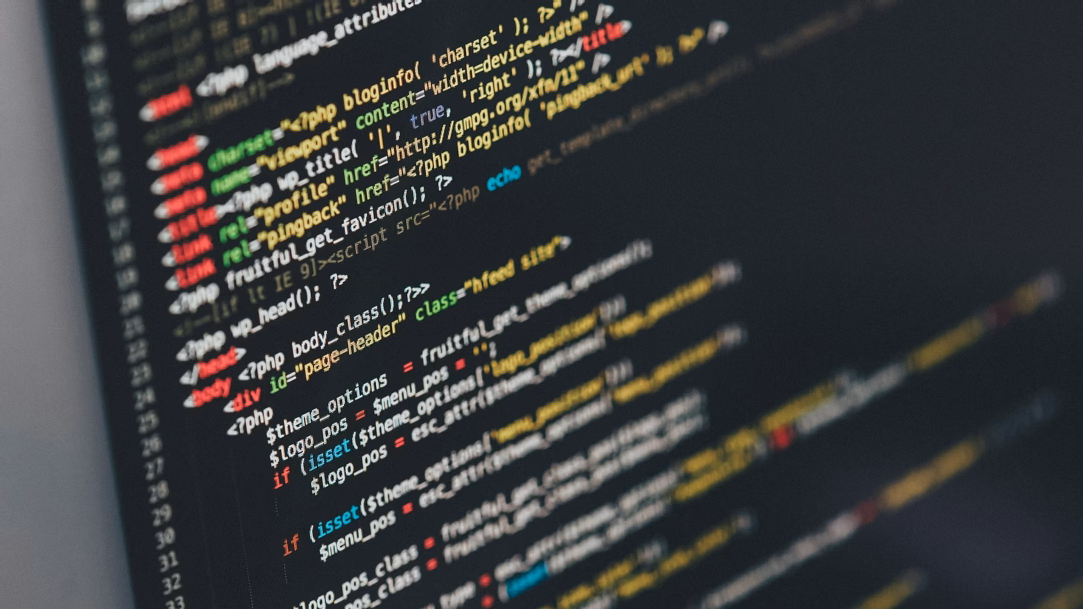
The artificial intelligence coding boom has been sold largely as a productivity story: fewer repetitive tasks, faster prototypes and a shorter road from idea to working software. But a new question is beginning to shape the developer conversation: who cleans up when AI-generated code floods open-source projects with work that human maintainers still have to verify?
That is the uncomfortable point raised by the Financial Times in its look at the so-called vibe-coding party. The concern is not simply that developers are using AI tools. It is that some contributors are now submitting code, bug reports and documentation they do not fully understand, leaving maintainers to spend more time reviewing, rejecting and explaining problems created elsewhere.
This matters because open-source software is the quiet infrastructure behind a huge part of the modern internet. Projects such as cURL and libcurl sit inside countless applications, developer tools, servers and connected systems. They are widely depended upon, but often maintained by a small number of people who already carry a heavy load. When AI lowers the cost of producing code but not the cost of reviewing it, that imbalance becomes a real sustainability problem.
Vibe coding works best when a developer can ask an AI tool to generate or adjust code, then personally test, understand and own the result. The problem starts when AI output is treated as finished work. A pull request may look polished, but maintainers still have to check whether it solves the right problem, follows the project’s architecture, avoids security issues and will not create maintenance debt months later.
A recent arXiv paper by Sebastian Baltes, Marc Cheong and Christoph Treude gives that burden a name: AI slop. The researchers analysed more than 1,100 developer discussions across Reddit and Hacker News and found recurring concerns around review friction, quality degradation and incentives that push costs onto maintainers and reviewers.
In plain terms, one person’s speed can become another person’s queue. A developer may save hours by asking an AI assistant to generate a patch, but if that patch is poorly tested or barely understood, the open-source maintainer may lose those hours trying to assess whether it is safe. At scale, that turns productivity into a shared maintenance tax.
This is not just a GitHub etiquette problem. Open-source components sit inside banks, telecoms networks, cloud services, mobile apps, government systems and enterprise software. When maintainers burn out or project review queues become polluted with low-quality AI submissions, the risk travels far beyond the repository where the pull request first appeared.
The open-source game engine Godot has already become an example of this pressure. A PC Gamer report described maintainers struggling with AI-generated contributions that create more review work than value. Different project, same warning: AI can generate code faster than communities can responsibly absorb it.
For African startups and software teams, the lesson is practical. AI coding tools can be useful, especially where teams are small and budgets are tight. But depending on AI-generated code without deep review can introduce hidden security, compliance and reliability risks. The cheaper route at the beginning may become the expensive route when a payment flow, customer database or public API breaks under production pressure.
The Answer Is Not To Ban AI Everywhere
The realistic answer is not to pretend AI coding tools will disappear. They will remain part of modern development. The better approach is to make AI-assisted contribution more accountable: disclose meaningful AI use, submit smaller patches, include tests, explain the reasoning behind changes and only send code the contributor can defend without the chatbot in the room.
Maintainers may also need clearer contribution rules for AI-generated work. Some projects will require disclosure, some will tighten review gates, and others may reject low-context AI submissions outright. That is not hostility to innovation. It is a way to protect trust in software that millions of people and companies depend on.
The bigger AI industry should pay attention too. If AI coding platforms create more work for open-source maintainers while extracting value from open-source code, the funding question becomes unavoidable. Better tooling, sponsorship, maintainer grants and automated quality checks should be part of the productivity conversation, not an afterthought.
The vibe-coding era may still produce better software, but only if the people using these tools accept responsibility for the code they generate. Otherwise, the party ends with maintainers sweeping the floor while everyone else celebrates faster shipping.
The hidden cost of AI coding
AI coding tools can be useful, but open-source communities are now seeing the other side of the boom: more pull requests, bug reports and documentation changes that look productive at first glance but still require human maintainers to validate.
What maintainers may need next
Clear contribution rules for AI-generated code.
Automated tests and review gates before a human maintainer spends time on a patch.
Better disclosure when contributors use AI tools heavily.
Funding or sponsorship for projects carrying the clean-up burden.
Paul Balo is the founder of TechBooky and a highly skilled wireless communications professional with a strong background in cloud computing, offering extensive experience in designing, implementing, and managing wireless communication systems.
We use cookies to ensure that we give you the best experience on our website. If you continue to use this site we will assume that you are happy with it.