Prime Minister Kyriakos Mitsotakis announced the decision this week, confirming the restriction will take effect from January 1, 2027, as part of a broader effort to tackle rising concerns around youth mental health and digital addiction.
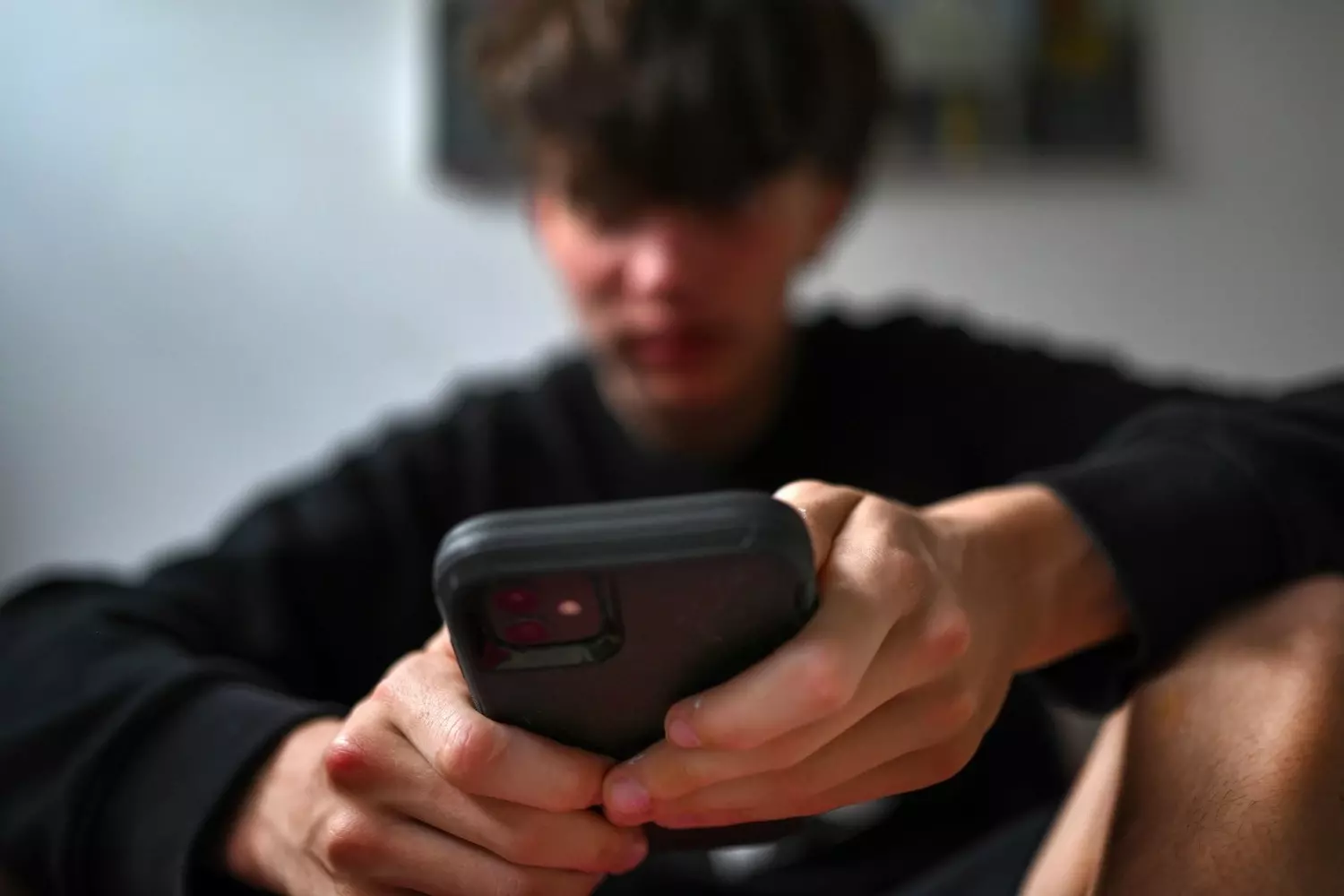
The policy will effectively block under-15s from accessing platforms like Instagram, TikTok, Snapchat, and Facebook placing the responsibility on tech companies to enforce age verification or face significant penalties.
This isn’t just a symbolic move. It’s a direct response to growing evidence that social media is affecting how children sleep, learn, and interact.
Government officials point to increasing levels of anxiety, reduced attention spans, and sleep disruption linked to prolonged screen time. In Greece, the situation appears especially acute with reports suggesting a large percentage of social media users are already below the recommended age.
Mitsotakis framed the decision as “difficult but necessary,” emphasizing that the goal isn’t to remove technology entirely, but to protect younger users from platforms designed to maximise engagement often at the expense of well-being.
And Greece is not acting alone.
The move reflects a rapidly growing global trend. Countries like Australia have already implemented similar restrictions banning social media for users under 16 while others across Europe, including France and Spain, are actively considering their own versions of age-based limits.
What makes Greece’s approach notable is its ambition to push beyond national borders.
The government is now calling for a unified European framework effectively a continent-wide “digital age of majority” that would standardize age verification and enforcement across the EU.
That’s where things get complicated.
Enforcing a ban like this requires reliable age verification systems, something the industry still struggles with. Privacy concerns, technical limitations, and the ease with which users can bypass restrictions all raise questions about how effective the policy will be in practice.
Still, public sentiment appears firmly behind the move, with surveys suggesting strong parental support for tighter controls on children’s online activity.
For Big Tech, this is another warning shot.
Governments are no longer just asking platforms to “do better”, they’re starting to impose hard limits, especially when it comes to younger users.
And if Greece succeeds, it may not just reshape social media access in one country, it could accelerate a regulatory wave across Europe and beyond.
Paul Balo is the founder of TechBooky and a highly skilled wireless communications professional with a strong background in cloud computing, offering extensive experience in designing, implementing, and managing wireless communication systems.
We use cookies to ensure that we give you the best experience on our website. If you continue to use this site we will assume that you are happy with it.