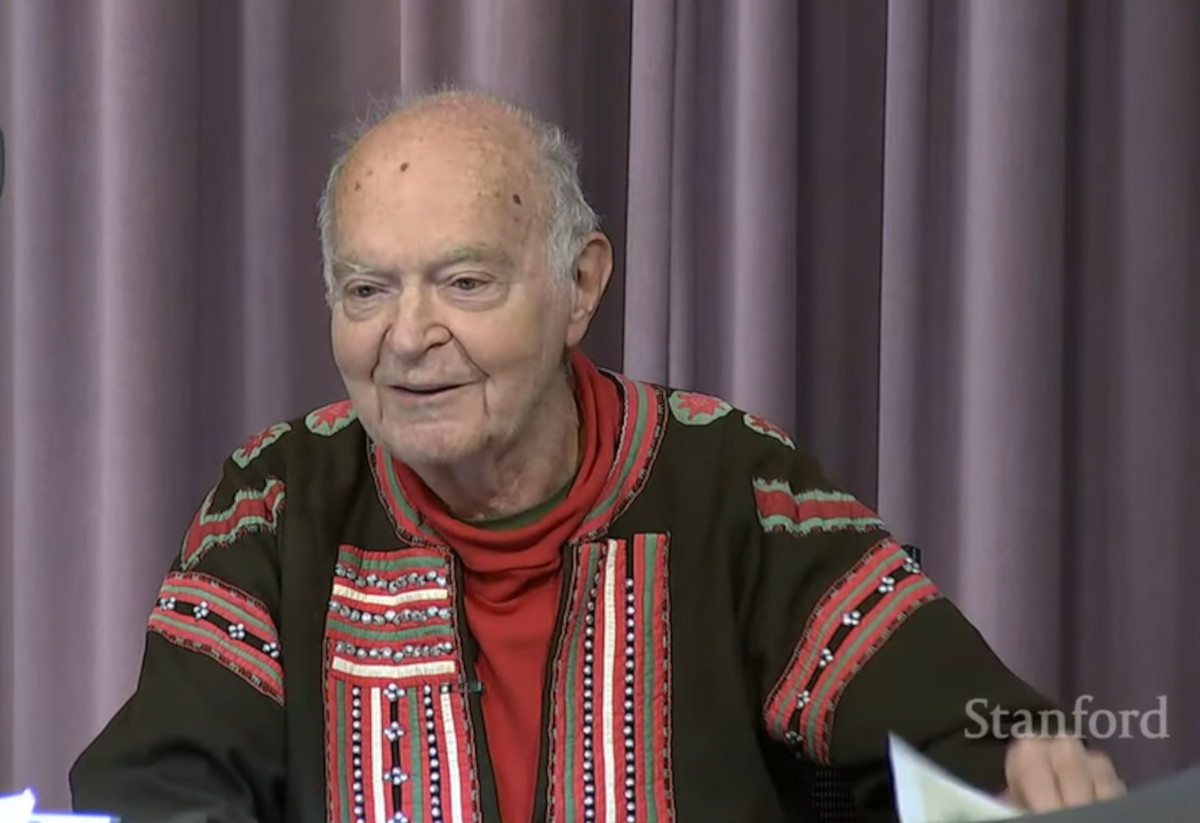
Donald Knuth, the computer scientist whose books have long invited readers to report mistakes, has temporarily stopped reviewing new error reports after an influx of submissions generated with large language models. His notice says he will not examine reports submitted after 25 November 2026 until he has updated the lists of known errors for the relevant books.
The pause is a striking sign of how generative AI is changing even the meticulous work of checking technical literature. Knuth has welcomed corrections for more than half a century, but says the volume of recent submissions has become difficult to manage. The vast majority, he writes, repeat errors that have already been reported.
This is a moratorium on reviewing newly submitted reports, not a declaration that his books are error-free or that every AI-assisted report is wrong. The cut-off also matters. Knuth says the pause applies to material submitted after 25 November, and it lasts while he brings the known-error lists up to date. Anyone considering a report should first consult the relevant errata rather than assume a finding is new.
Knuth’s approach to errors has been unusually public. Readers can scrutinise a claim, compare it with existing corrections and help improve later printings. That model depends on a manageable signal-to-noise ratio. When a language model can produce plausible-looking reports in seconds, the cost of generating a submission falls dramatically, but the cost of checking it remains with a human editor.
The same imbalance can affect software maintainers, academic editors and security teams. A report that sounds technical still needs to be reproduced, assessed against prior work and, where appropriate, corrected. Duplicate reports consume time even when the underlying issue is real. Incorrect ones can be more expensive because a reviewer must establish why they fail.
The lesson is not to ban AI from technical review. Used carefully, it may help people find and explain genuine mistakes. But a useful report should contain a precise location, a clear account of the alleged error and evidence that the author has checked the current correction list. In a field that values reproducibility, an impressive-sounding answer is not a substitute for verification.
Knuth has described a temporary administrative response to a specific workload, not a permanent retreat from reader corrections. His next updated errata lists will show when the review channel can sensibly reopen. Until then, the notice is a reminder that AI can accelerate discovery and duplication at the same time.
Related Reading
More contextual TechBooky stories selected from tags, categories and article context.
We use cookies to ensure that we give you the best experience on our website. If you continue to use this site we will assume that you are happy with it.