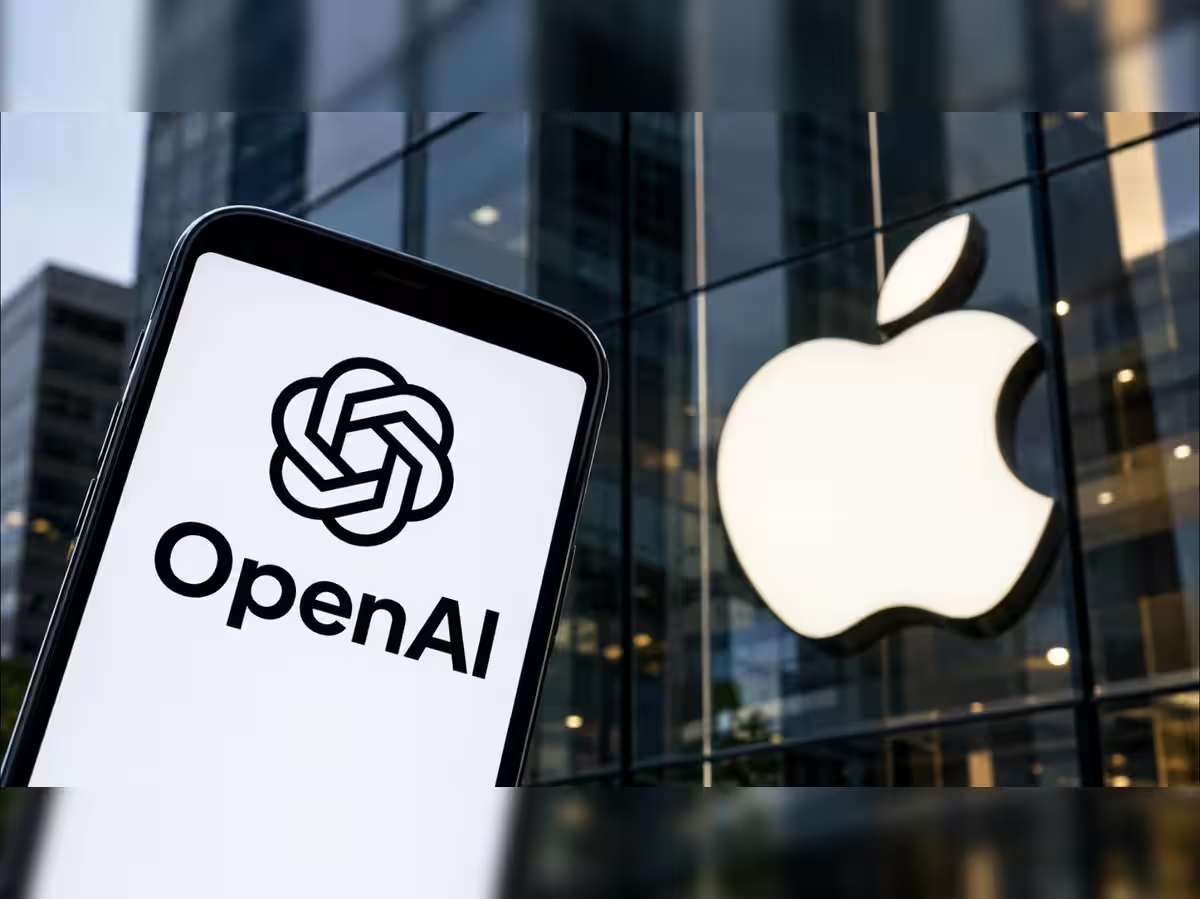
OpenAI has taken its dispute with Apple a step further, filing a legal action that accuses the iPhone maker of taking its trade secrets and obstructing access to hardware suppliers. The Financial Times reported the filing on 27 November, and 9to5Mac summarised its allegations. They are claims in an active legal fight, not findings that Apple broke the law.
According to the reports, OpenAI says Apple threatened or pressured suppliers involved in its planned consumer devices. It also alleges that Apple obtained confidential OpenAI information. The new action is a direct response to Apple’s lawsuit filed in July, which accuses OpenAI and former Apple employees of misusing confidential hardware information. OpenAI has disputed Apple’s case.
The two companies are moving from a software partnership into a contest over AI hardware. Apple controls the iPhone and a network of suppliers that make it possible to manufacture devices at scale. OpenAI wants to build its own consumer products after acquiring the hardware startup io, associated with former Apple design chief Jony Ive. Access to engineering talent, specialist components and manufacturing partners is central to that ambition.
OpenAI’s reported complaint alleges that Apple’s conduct was intended to block competition. That is a serious accusation, but the public reports do not establish that any supplier was unlawfully coerced or that Apple took trade secrets. The details will have to be tested through the legal process. An Apple response to the new filing should be included when available.
Apple’s July case names OpenAI, io Products and two former Apple employees. It alleges that confidential engineering, manufacturing and supply-chain knowledge moved into OpenAI’s device programme. OpenAI denies that it needs Apple’s secrets to create its products. TechBooky covered the original Apple-OpenAI lawsuit and the strategic stakes for both companies.
The dispute has widened since then. In October, OpenAI said an employee who returned to Apple had sent confidential OpenAI hardware files to personal accounts, according to 9to5Mac. Apple said at the time that its investigation had not located OpenAI confidential information and requested more detail to continue checking. Those competing accounts underline why the new claims should be attributed rather than repeated as settled fact.
The key questions are what the court filings actually show about supplier communications, whether either side can prove misuse of protected information, and whether a court imposes limits on OpenAI’s hardware work. Apple’s original case is scheduled for trial in July 2027, according to 9to5Mac, although litigation timetables can change.
For the wider industry, the case is a test of how fiercely established device makers will defend their supplier relationships as AI companies attempt to build new hardware. It also reveals an awkward reality of the AI boom. Companies can cooperate on software distribution while competing directly for the people and production capacity needed to shape the next generation of devices.
Related Reading
More contextual TechBooky stories selected from tags, categories and article context.
Paul Femi Balo is the founder and publisher of TechBooky. He covers artificial intelligence, African technology, digital infrastructure, enterprise technology and the global digital economy.
We use cookies to ensure that we give you the best experience on our website. If you continue to use this site we will assume that you are happy with it.