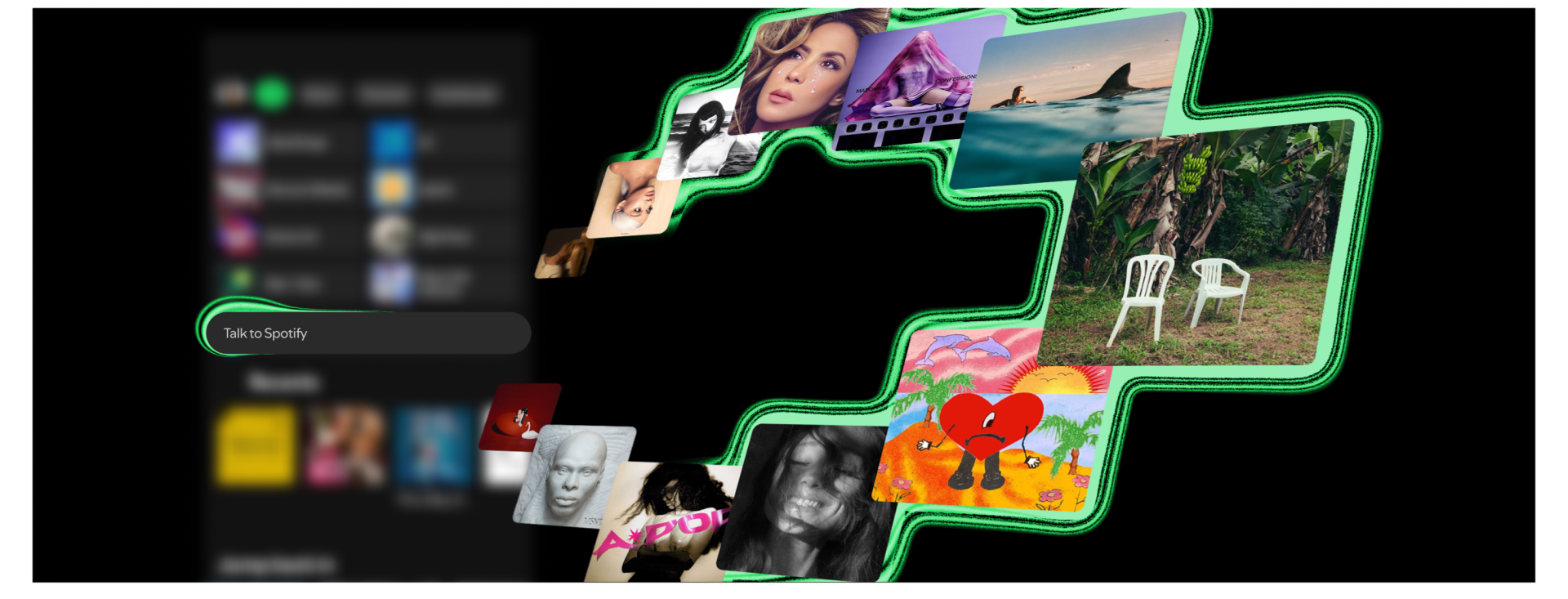
Spotify is pushing deeper into consumer AI with a new conversational feature that lets Premium users talk to the app by voice or text to discover music, podcasts and audiobooks.
The feature, called Talk to Spotify, is rolling out in beta for eligible Premium users in the US, Ireland and Sweden, according to Spotify’s newsroom. It works from the Home and Now Playing views on mobile and allows users to ask follow-up questions, shape recommendations and take actions such as saving songs, adding tracks to a queue or following an artist.
This is more than a playlist shortcut. Spotify wants the app to behave less like a search box and more like a music companion. A user can ask for artists they have not heard before, narrow the result by mood or era, add a specific artist, or ask about listening history and audio context without leaving the app.
TechBooky has already covered Spotify’s AI push from another angle, including its AI audiobook creation tool and the platform’s efforts around protecting real artists from AI misuse. Talk to Spotify shows the company is not only defending against AI problems; it is also trying to make AI a daily part of listening.
Spotify already has one of the strongest recommendation engines in consumer tech. But recommendations alone can feel passive. A conversational assistant gives users a way to actively steer discovery, especially when they do not know the name of the song, artist, mood or podcast they want.
That is valuable because streaming catalogues have become enormous. The problem is no longer access to content; it is finding the right thing quickly. AI can help Spotify turn messy human requests into playable results, and it can keep refining those results through follow-up questions.
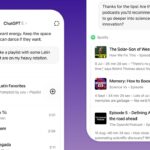
This also gives Spotify another reason to keep people inside its app. If users begin asking ChatGPT, Gemini or other assistants for music recommendations, Spotify risks losing part of the discovery layer. Building a native assistant keeps that behaviour closer to its own subscription business.
The feature will also raise familiar questions. What data does Spotify use to personalise answers? How much of a user’s listening history should be conversationally searchable? And how will artists feel if an AI assistant becomes a new gatekeeper between listeners and music?
For independent artists, conversational discovery could be a benefit if it surfaces deeper catalogue tracks and niche genres. But if the assistant mostly reinforces already-popular choices or paid promotional structures, smaller artists may still struggle to be found.
Spotify is calling the feature a beta, which is sensible. Voice and text assistants can misunderstand tone, over-personalise recommendations or produce answers that sound confident but feel wrong. Music is emotional, and users will quickly notice when suggestions do not match the moment.
Still, the direction is clear. Streaming apps are becoming conversational. Instead of tapping through menus and filters, users will increasingly tell apps what they want and expect the software to understand context.
If Spotify gets this right, music discovery could become faster, more personal and more playful. If it gets it wrong, Talk to Spotify may become another AI button users ignore. Either way, it shows that the next streaming battle is not only about content rights. It is about who controls the conversation around what people play next.
Related Reading
More contextual TechBooky stories selected from tags, categories and article context.
Paul Balo is the founder of TechBooky and a highly skilled wireless communications professional with a strong background in cloud computing, offering extensive experience in designing, implementing, and managing wireless communication systems.
We use cookies to ensure that we give you the best experience on our website. If you continue to use this site we will assume that you are happy with it.