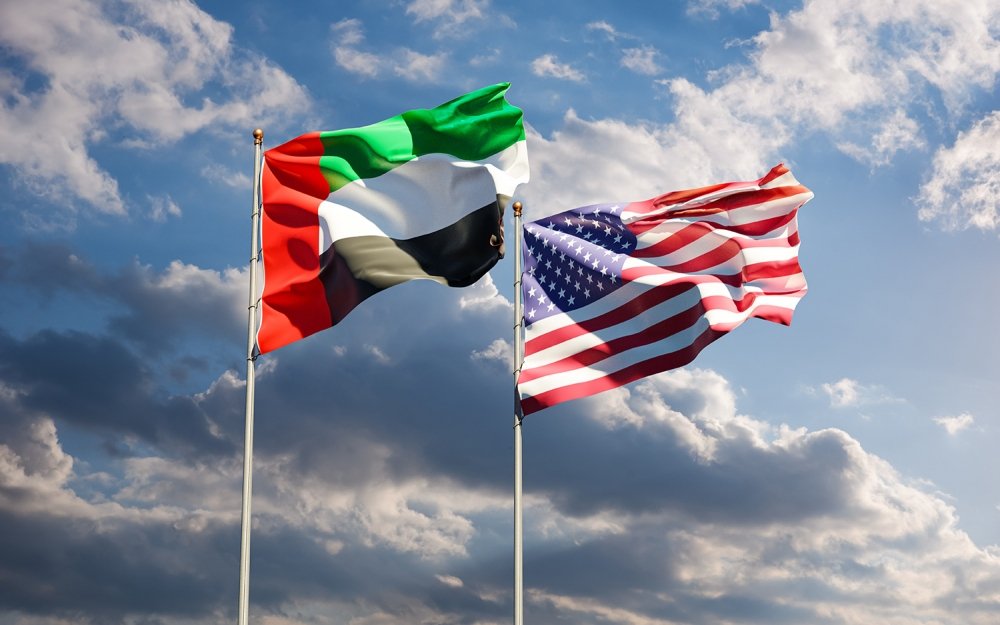
The United States has eased export-control rules for the United Arab Emirates, opening a clearer path for approved UAE government agencies, approved commercial entities and some US-headquartered AI companies to access advanced computing items and data centre equipment in the country.
The move was flagged by Reuters and detailed in a Bureau of Industry and Security final rule scheduled for Federal Register publication on July 14. The rule removes the UAE from certain restricted country groups and adds it to Country Group A:5, expanding access to license exceptions under defined conditions.
For the AI industry, the most important part is advanced computing. The rule says the UAE government and approved entities can receive some advanced computing items license-free, while other UAE commercial entities can seek approval. That matters because chips, servers and data centre equipment are now the raw materials of the AI economy.
The UAE has spent years positioning itself as a regional AI and cloud infrastructure hub. G42, MGX and other UAE-linked players have become central to that ambition, while US companies are looking for international sites that can support large-scale AI infrastructure without the same land, power and permitting constraints found in some domestic markets.
That creates a strategic bargain for Washington. Looser export controls can keep US chips and US platforms at the centre of the Gulf AI buildout. But it also raises national-security questions about where the most advanced compute should be located and how access should be monitored.
The Gulf is becoming one of the places where the AI infrastructure map is being redrawn. Abundant capital, ambitious governments and a willingness to build large data centre campuses make the region attractive to AI companies that need capacity quickly.
The policy question is whether that capacity strengthens US-aligned AI ecosystems or creates new risks around sensitive chips, data access and geopolitical leverage. The Commerce Department is betting that approved entities and export-control safeguards can manage the risk.
Either way, the decision shows that the AI chip race is no longer simply a Nvidia supply story. It is now diplomacy, energy policy, cloud infrastructure and national security rolled into one.
Related Reading
More contextual TechBooky stories selected from tags, categories and article context.
Paul Balo is the founder of TechBooky and a highly skilled wireless communications professional with a strong background in cloud computing, offering extensive experience in designing, implementing, and managing wireless communication systems.
We use cookies to ensure that we give you the best experience on our website. If you continue to use this site we will assume that you are happy with it.