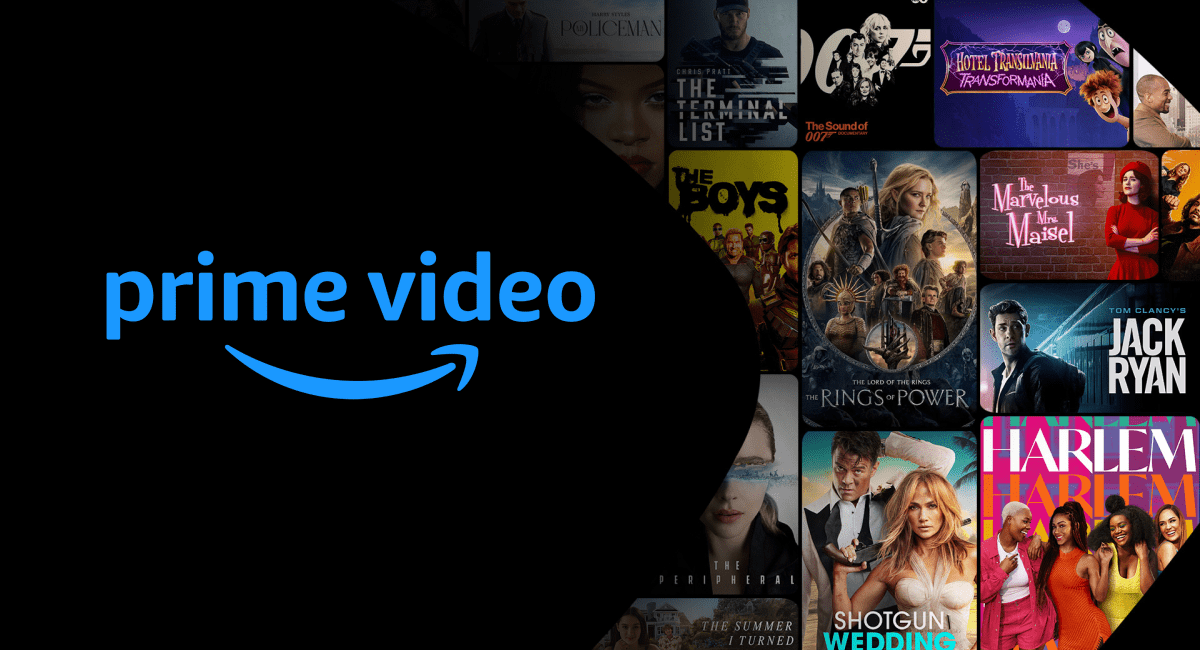
Amazon’s Prime Video has reached a revenue run rate in the tens of billions of dollars and is profitable on its own, chief executive Andy Jassy told investors on 29 October. The statement gives a rare sense of the streaming service’s scale, even though Amazon still does not publish a separate Prime Video revenue or profit line in its quarterly accounts.
The wording matters. A revenue run rate estimates what the current pace of business would look like over a year. It is not the same as saying Prime Video has already booked tens of billions of dollars in revenue during 2026. Jassy did not supply a precise figure, a margin or a breakdown between advertising, subscriptions, sports and other video income. His comment nevertheless suggests that a service long seen primarily as a perk for Prime shoppers has become a substantial business in its own right.
Speaking on Amazon’s third-quarter earnings call, Jassy pointed to original series including Reacher, Fallout and The Boys, films such as Project Hail Mary and an expanding live-sports schedule. He had said earlier this year that Prime Video was profitable. The new detail is the size of its revenue run rate, which he described as being in the tens of billions.
Sports are increasingly central to the plan. Amazon’s third-quarter results say Thursday Night Football averaged 17.7 million viewers across its first six games of the season, using Nielsen figures. Amazon also reported more than two million US viewers for the opening doubleheader of its second NBA season on Prime. These audiences offer advertisers scheduled, high-profile events alongside on-demand shows and films.
That combination changes how Prime Video should be understood. Membership can help retain shoppers; streaming can also sell advertising and attract viewers to sports, rentals or additional channels. The different revenue streams reinforce one another, but Amazon’s public accounts do not isolate their individual contributions to Prime Video’s run rate. It would be misleading to treat the company’s total advertising or subscription figures as a direct measure of the video service.
Amazon reported $19.64 billion in group advertising services revenue for the third quarter, up from $17.70 billion a year earlier. That category includes advertising across Amazon’s wider business, not only Prime Video. Group subscription services brought in about $14.01 billion in the quarter and likewise cover more than video. Amazon said advertising growth was affected by timing factors, including Prime Day moving into the second quarter in many major markets, and expects faster advertising growth in the fourth quarter.
For investors and competitors, the unanswered question is profitability in detail. Jassy says Prime Video is profitable, but without a disclosed operating margin it is difficult to judge how much value the streaming unit creates after content and sports-rights costs. Nor has Amazon said exactly how much of the stated run rate comes from ads rather than customer payments. These omissions do not invalidate the claim; they limit the comparisons that can be made with standalone streaming companies.
The wider company reported $201.9 billion in quarterly sales and $28.1 billion in operating income. TechBooky’s report on the results examined the sharp growth in AWS and the pressure created by Amazon’s AI spending. Prime Video is a different story within the same earnings call. It demonstrates how entertainment has become another commercial pillar even as cloud computing dominates discussion of Amazon’s future.
There is a global dimension too. Prime Video carries shows and sports across many markets, while rights, advertising products and subscription prices vary by country. A strong US sports audience does not automatically translate into equal revenue elsewhere. The more useful test will be whether Amazon can continue to build viewing time and advertising demand while paying for costly programming.
Jassy’s run-rate comment marks a shift in how Amazon talks about Prime Video. It is no longer merely a service that makes Prime membership more attractive. It is large enough to be discussed as a profitable business, although the figures needed to measure that claim precisely remain inside Amazon.
Related Reading
More contextual TechBooky stories selected from tags, categories and article context.
Paul Femi Balo is the founder and publisher of TechBooky. He covers artificial intelligence, African technology, digital infrastructure, enterprise technology and the global digital economy.
We use cookies to ensure that we give you the best experience on our website. If you continue to use this site we will assume that you are happy with it.