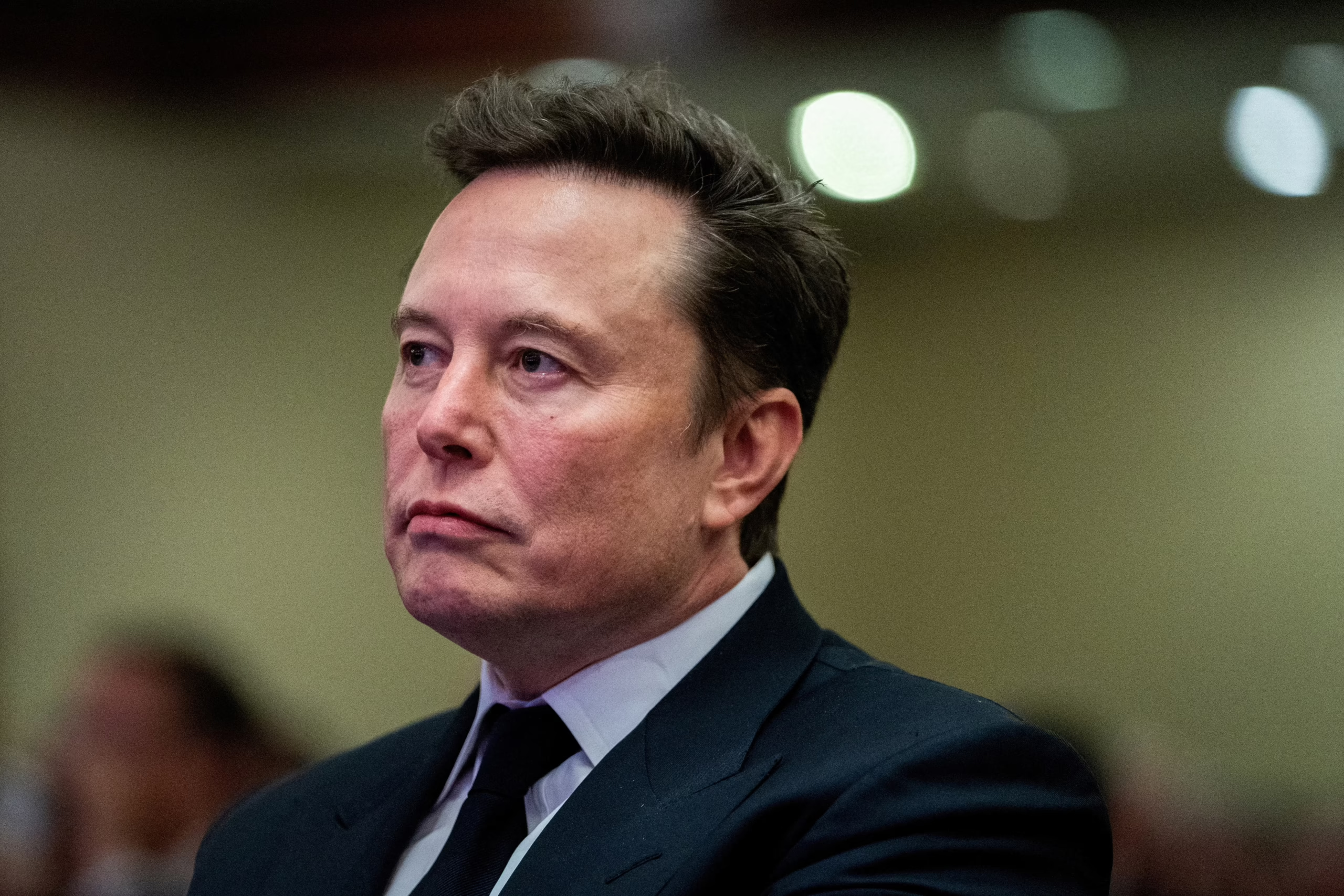
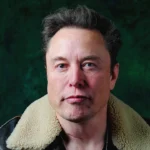
A merger between Tesla and SpaceX would not merely unite two of Elon Musk’s best-known businesses. At recent market prices, it could produce a company valued at roughly $3.5 trillion, enough to move ahead of Amazon in the global market-capitalisation rankings. It could also make Musk’s already extraordinary paper fortune more closely tied to a single corporate group. But neither outcome is guaranteed, and the headline figure needs careful handling.
The companies have set up independent committees to explore a possible combination, according to Associated Press reporting. That is an early step, not an agreed transaction. There is no announced exchange ratio, deal price or timetable. Investors therefore cannot yet put an official value on a merged Tesla-SpaceX.
At the close of trading on 20 October, SpaceX was valued at about $2.01 trillion, while Tesla’s market capitalisation was about $1.48 trillion. Adding those standalone values gives approximately $3.49 trillion. That is the basis for calling a potential combination a $3.5 trillion company. If the shares rise, the shorthand could move towards $3.6 trillion, but it would be misleading to present that higher figure as a settled deal valuation.
For comparison, Amazon was valued at about $2.83 trillion and ranked fifth among publicly traded companies by market value on the same snapshot. A combined Tesla-SpaceX carrying the full sum of its two current valuations would move above Amazon and could take that fifth-place position. It would still sit below Microsoft on that snapshot. These rankings can change with a single trading session, particularly while merger speculation is moving the shares.
More importantly, a merger does not mechanically preserve the two market values. The market would have to decide what the new company is worth after accounting for the terms offered to each shareholder group, any dilution, debt, governance and the prospects of businesses with very different capital requirements. The simple addition is a useful illustration of scale, not a prediction of the first day’s closing price.
Tesla would bring electric vehicles, battery and energy operations, robotics ambitions and a vast manufacturing footprint. SpaceX would bring launch services, Starlink connectivity and an increasingly consequential AI operation. In TechBooky’s coverage of SpaceX’s latest results, AI had overtaken Starlink as its largest revenue source, even as investment demands remained steep. That mix explains why the merger idea attracts attention beyond Musk’s personal fortune. It would put transport, communications, computing and physical AI under one listed umbrella.
The same breadth makes the proposal difficult. Tesla and SpaceX have different investors, strategic priorities and risk profiles. A board would need to show how their combination benefits shareholders rather than merely simplifying Musk’s corporate map. Independent committees are particularly important because Musk has an interest in both sides. Regulatory review and shareholder approval may also become significant questions if a transaction is formally proposed.
It would be wrong to say the merger alone would make Musk a trillionaire even though he hit this status on paper earlier in the year following SpaceX’s stock-market debut earlier this year. That estimate can rise or fall sharply with Tesla and SpaceX share prices. It is not a measure of cash in his bank account.
A merger could reinforce that status if investors put a premium on the combined enterprise, but combining two companies in which he already owns stakes would not automatically create fresh personal wealth. His post-deal fortune would depend on his ownership percentage, the exchange terms and the value investors assign to the new shares. Conversely, a sceptical market reaction could reduce the paper value of his holdings.
That is the distinction behind the eye-catching $3.5 trillion number. Tesla-SpaceX could plausibly overtake Amazon in the market-cap rankings at today’s prices, while giving Musk an even more concentrated stake in one of the world’s most valuable companies. Whether it actually does either will depend on a real proposal, not simply on adding two stock tickers together.
Related Reading
More contextual TechBooky stories selected from tags, categories and article context.
Paul Femi Balo is the founder and publisher of TechBooky. He covers artificial intelligence, African technology, digital infrastructure, enterprise technology and the global digital economy.
We use cookies to ensure that we give you the best experience on our website. If you continue to use this site we will assume that you are happy with it.