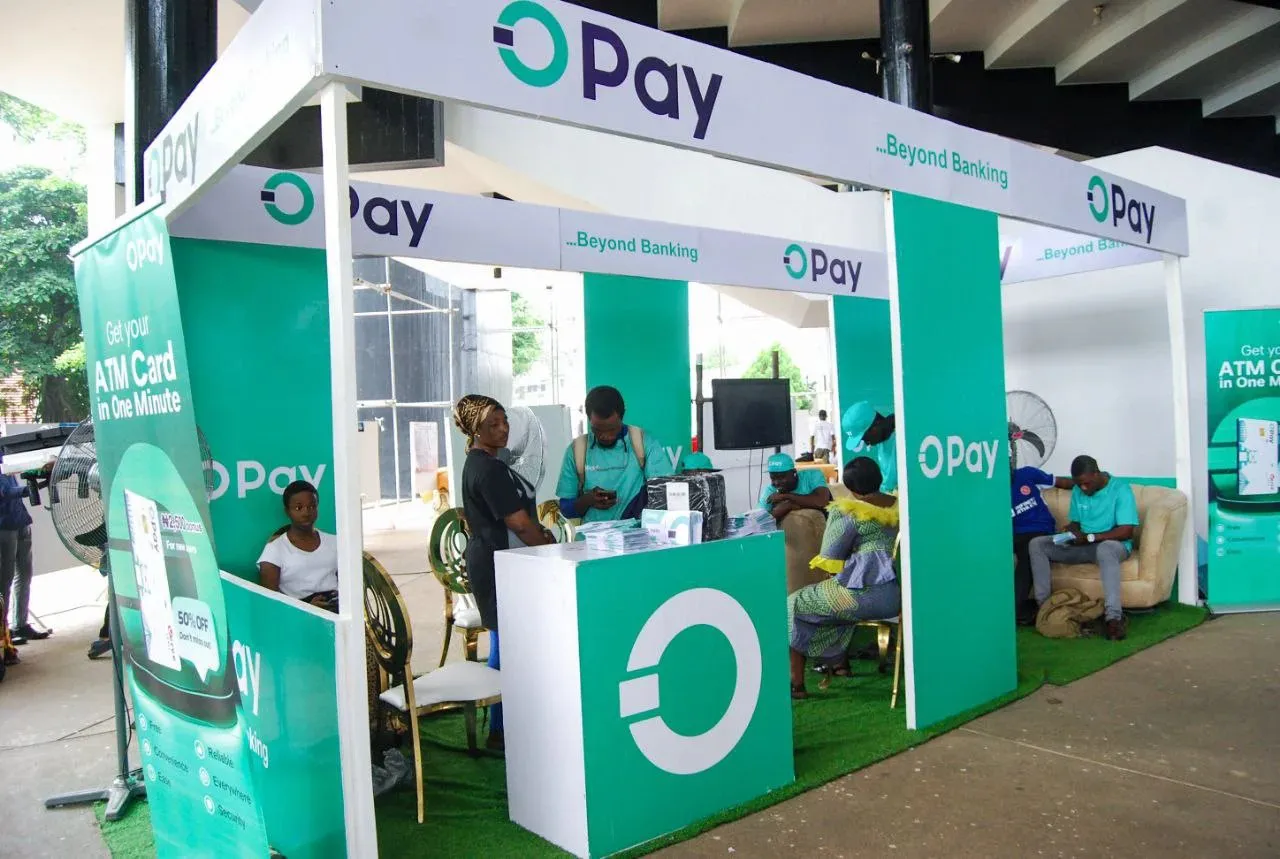
OPay has put a proposed price range of $19 to $21 on the American depositary shares it plans to sell in a New York initial public offering. The range appears in a preliminary prospectus filed with the US Securities and Exchange Commission on 23 October. It moves the Nigerian fintech’s listing plans from an initial filing towards a more concrete offer, but it is not a final price and the shares are not yet trading.
The document proposes 16 million American depositary shares, or ADSs. Each ADS represents ten ordinary shares in OPay Limited. At the $20 midpoint, that would put the gross value of the ADS offering at about $320 million before fees, expenses or any exercise of the underwriters’ option. The prospectus separately estimates net proceeds to the company of roughly $291 million from the offering and about $183.6 million from a concurrent private placement. Those are distinct transactions and should not be confused with the total IPO size.
When TechBooky reported OPay’s New York filing earlier in October, the proposed public offer price had not been set. The latest prospectus gives investors an indicative range, a share count and a clearer picture of the money OPay expects to raise. It does not mean the underwriting process is finished. The final price could change, the timetable could move, and the transaction remains subject to the applicable securities process and market conditions.
OPay has applied to list its ADSs on the New York Stock Exchange under the symbol OPAY. An application and a preliminary prospectus are not the same as a completed listing. Investors looking for a first trading date or a final price should wait for the company’s final prospectus and an exchange announcement rather than treating the current range as a live market quotation.
OPay’s business sits at the centre of Nigeria’s rapid shift towards app-based transfers and merchant payments. A New York flotation would give international investors a prominent listed route into an African consumer-finance platform, while subjecting the company to the scrutiny that comes with a US public listing. The test is whether demand for that story holds up when investors can assess its growth, profitability, regulatory exposure and valuation together.
The company is also presenting a wider African opportunity, but its Nigerian operations are the immediate lens through which many investors will judge the business. Payments can generate enormous transaction volume without automatically producing durable margins. OPay will have to show that active users and merchant reach translate into dependable revenue, while managing fraud, compliance costs and competition from banks and other fintechs.
The private placement is another important part of the capital plan. The prospectus estimates roughly $183.6 million in net proceeds from that transaction alongside the IPO proceeds. Readers should keep those figures separate. Adding both net amounts suggests a larger fundraising package, but it would be misleading to describe the full sum as money raised solely from public investors buying ADSs.
The indicative range also gives a more tangible basis for discussing valuation, although the final market value depends on the fully diluted share count and the price investors ultimately pay. A $20 ADS is not a $20 ordinary share, because each depositary share represents ten ordinary shares. That structure is routine in cross-border listings but can easily distort quick comparisons with other fintech stocks.
For Nigeria’s technology sector, a successful deal could provide a public-market reference point for a company built on domestic payments at scale. A weak reception would be informative too, showing how global investors currently price African fintech growth against execution and policy risks. For now, the confirmed development is narrower and still significant. OPay has disclosed its proposed $19-$21 IPO range and 16 million ADS offer. The final price, trading debut and investor response remain ahead.
Related Reading
More contextual TechBooky stories selected from tags, categories and article context.
Paul Femi Balo is the founder and publisher of TechBooky. He covers artificial intelligence, African technology, digital infrastructure, enterprise technology and the global digital economy.
We use cookies to ensure that we give you the best experience on our website. If you continue to use this site we will assume that you are happy with it.