For years, tech companies have been searching for the device that could eventually replace the smartphone.
Apple believes it could be mixed reality headsets.
Meta is betting on AI-powered smart glasses.
Google is building Android XR.
Now Snap wants a seat at the table.
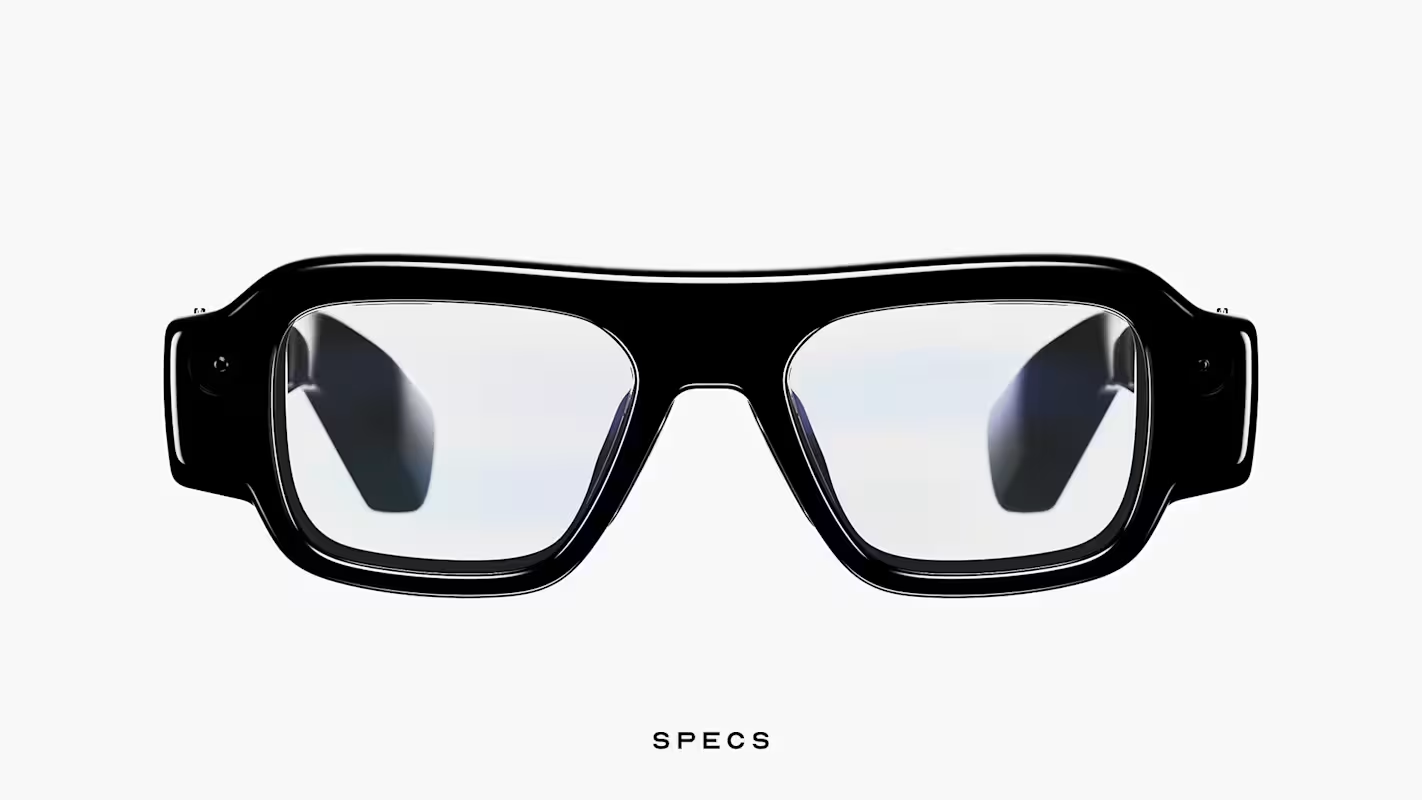
The Snapchat maker has officially unveiled Specs, its long-awaited consumer augmented reality glasses, marking the company’s most ambitious hardware launch since the original Spectacles debuted nearly a decade ago. The new device is available for pre-order starting today and carries a hefty $2,195 price tag. Customers can reserve a pair with a refundable $200 deposit, while shipments are expected to begin this fall in the United States, United Kingdom and France.
The launch represents a major moment for Snap CEO Evan Spiegel, who has spent years insisting that augmented reality glasses will eventually become the next major computing platform.
More Than Smart Glasses
Snap is careful not to describe Specs as simply another pair of smart glasses.
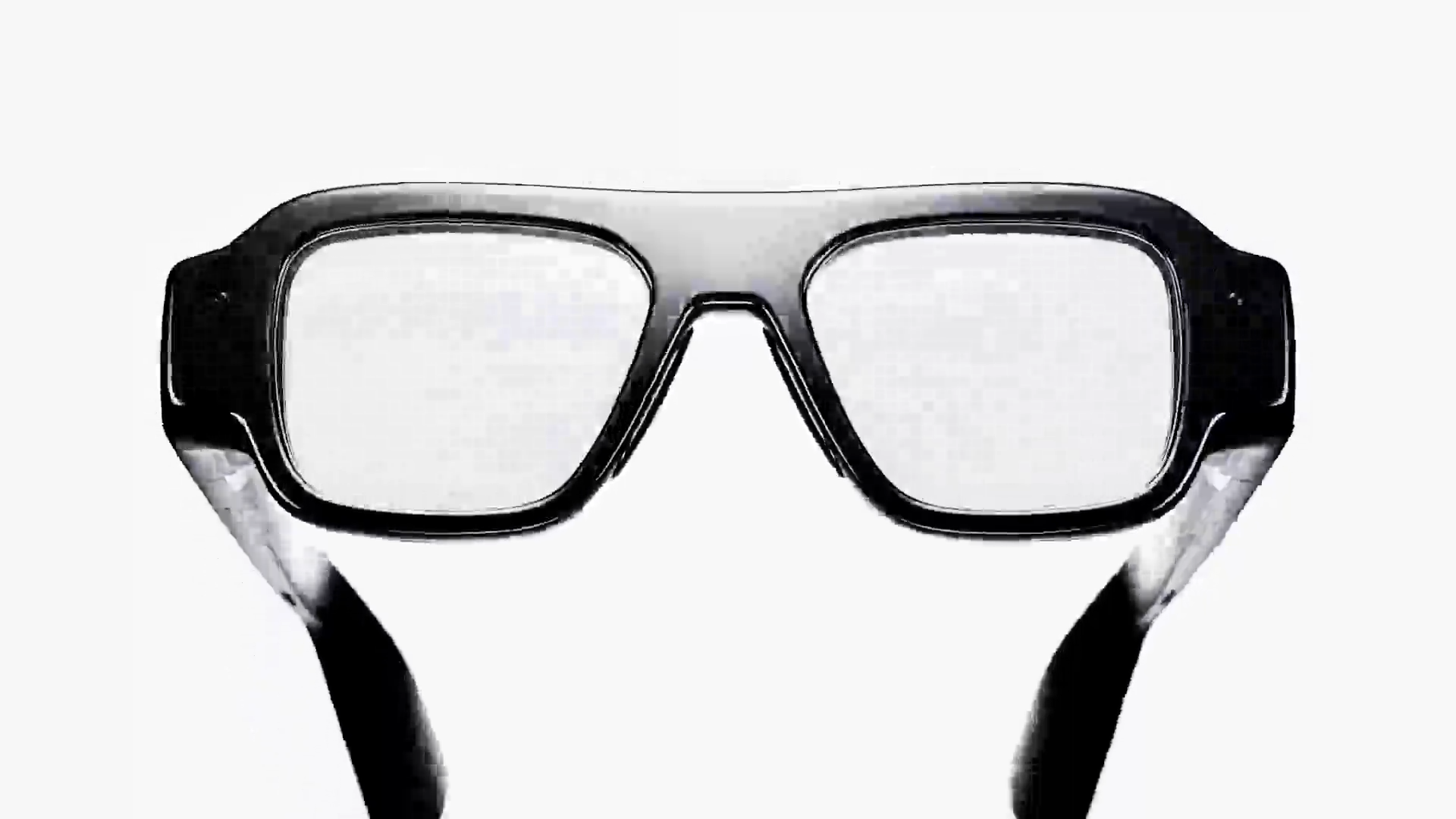
Instead, the company calls them “a wearable computer built into see-through augmented reality glasses.” Unlike Apple’s Vision Pro, which relies on an external battery pack, Snap says Specs are completely standalone and do not require a tethered device.
The glasses feature transparent augmented reality displays that overlay digital information onto the real world, allowing users to interact with apps, navigation tools, entertainment experiences and AI-powered services without pulling out a phone.
At the heart of the experience is Snap OS, the company’s custom operating system designed specifically for augmented reality computing.
Specs pack technology that would have sounded futuristic only a few years ago.
According to Snap, the glasses feature dual Snapdragon processors, a 51-degree field of view, support for more than 16 million colours and electrochromic lenses that can switch from clear to tinted in about ten seconds. The glasses also include multiple cameras and sensors that help them understand the wearer’s environment.
Battery life is rated at approximately four hours on a single charge, though Snap says the bundled charging case can extend total usage to roughly 20 hours.
The company is also offering prescription lens support, an important feature if AR glasses are ever going to become mainstream.
The most interesting aspect of Specs may not be the hardware at all.
It is the vision behind it.
Like Meta CEO Mark Zuckerberg, Spiegel believes smartphones will eventually give way to wearable devices that can understand the world around us through cameras, sensors and artificial intelligence. Instead of constantly looking down at screens, users would interact naturally with digital information layered onto their surroundings.
That vision has become increasingly realistic as AI systems become capable of understanding images, speech, location and context in real time.
The rise of generative AI has effectively given smart glasses a purpose beyond simply displaying notifications.
The challenge for Snap is that it is no longer alone.
Meta has already found success with its Ray-Ban smart glasses and continues to invest billions into augmented reality. Google recently demonstrated its Android XR platform, while Apple remains committed to spatial computing through Vision Pro.
The biggest hurdle may be price.
At $2,195, Specs cost significantly more than Meta’s Ray-Ban smart glasses, which start at around $350, though they remain considerably cheaper than Apple’s $3,500 Vision Pro headset.
Some analysts have already questioned whether consumers are ready to spend over $2,000 on a device that still represents an emerging category. Investor reaction has also been mixed, with concerns about both the price and the size of the device.
Snap’s history with hardware has not always been smooth.
Earlier versions of Spectacles generated plenty of attention but failed to achieve mainstream success. The company nevertheless continued investing heavily in augmented reality, spending years refining both the hardware and software needed to make AR glasses practical.
Now, after more than a decade of development, Snap is finally putting its vision directly into consumers’ hands.
Whether Specs become the next iPhone moment or another ambitious experiment remains to be seen.
But one thing is becoming increasingly clear.
The battle to build the device that comes after the smartphone has officially begun, and Snap is determined to prove it belongs in the race.
Related Reading
More contextual TechBooky stories selected from tags, categories and article context.
Paul Balo is the founder of TechBooky and a highly skilled wireless communications professional with a strong background in cloud computing, offering extensive experience in designing, implementing, and managing wireless communication systems.
We use cookies to ensure that we give you the best experience on our website. If you continue to use this site we will assume that you are happy with it.