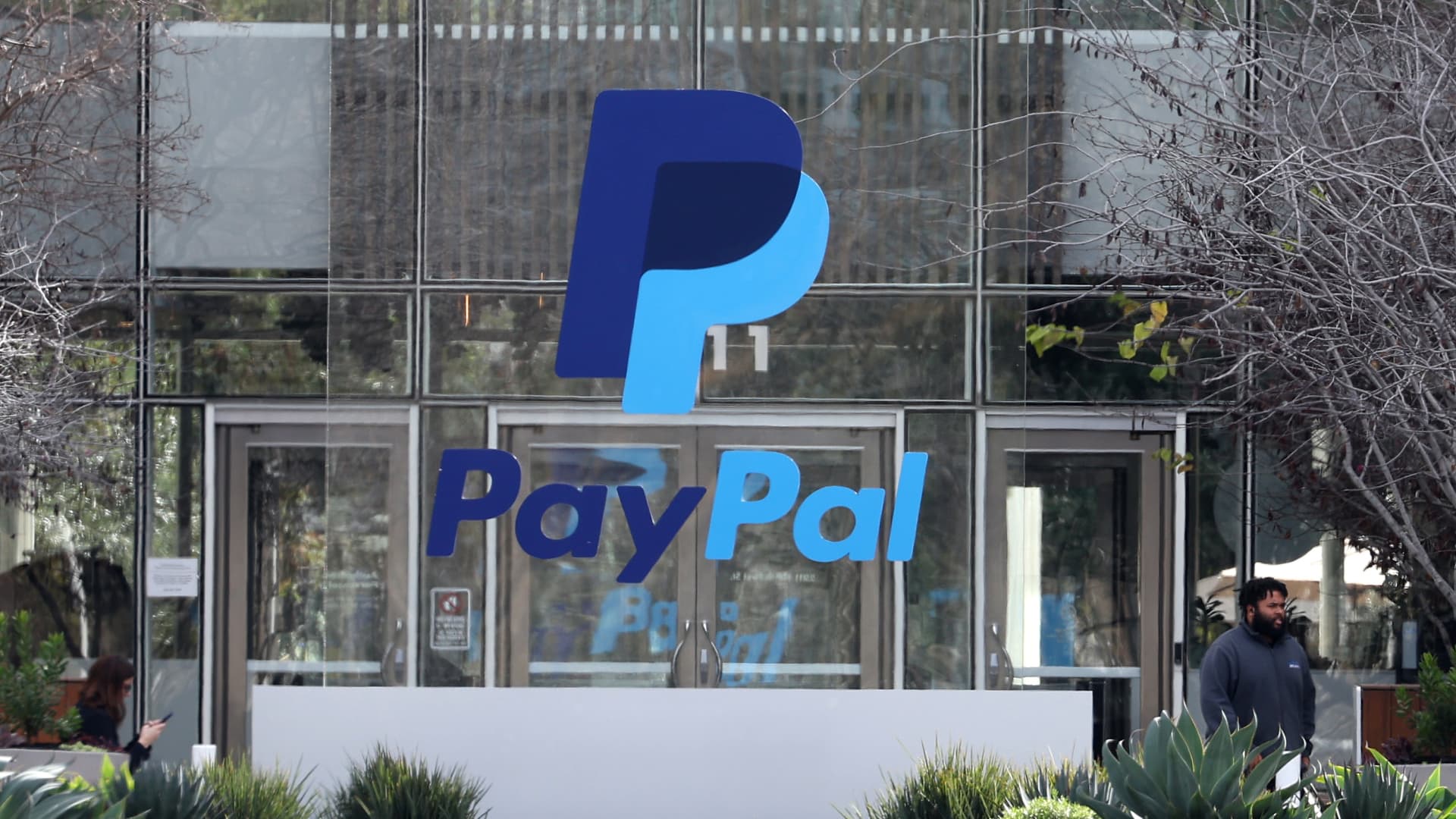
Stripe and private equity firm Advent International have reportedly made a takeover offer of more than US$53 billion for PayPal, a potential deal that would reshape digital payments if it ever moved from proposal to agreement.
The reported bid values PayPal at US$60.50 per share, according to Business Insider and other market reports. PayPal’s shares surged after the news, but the offer remains far below the company’s pandemic-era peak, when PayPal briefly looked like one of the defining fintech winners of the online-commerce boom.
That contrast is the story. PayPal was once the default language of online payments. It had consumer trust, merchant reach, Venmo, Braintree and a global brand. But the company has spent the past few years fighting slowing growth, stronger competition from Apple Pay and Google Pay, merchant-side pressure from Stripe and Adyen, and investor disappointment over its post-pandemic reset.
Stripe and PayPal are not identical companies. Stripe became the developer-friendly payments infrastructure layer for internet businesses, platforms and marketplaces. PayPal remains a consumer-facing payments brand with enormous account reach and merchant relationships. Combining those strengths would create a payments giant with both infrastructure depth and consumer visibility.
PayPal could give Stripe a larger consumer footprint, more checkout distribution and a stronger position in areas where PayPal still has brand trust. Stripe could bring product discipline, developer credibility and a sharper infrastructure-first culture to parts of PayPal that have become more complex over time.
Advent’s role would matter too. A private equity partner could help fund the bid, restructure operations and push cost discipline. But that also raises questions about whether PayPal would be run for long-term product renewal or financial engineering.
The reported offer has already drawn scepticism because PayPal’s stock has fallen so far from its 2021 high. A US$53 billion valuation sounds huge, but it is modest compared with what the market once thought PayPal was worth. Some investors may argue that the company is being targeted near a low point.
That is the tension in any turnaround acquisition. Buyers want a discount for risk. Existing shareholders want credit for the recovery they believe is still possible. PayPal’s new leadership has been trying to simplify the business, cut costs and revive growth, so any board response would have to weigh immediate certainty against long-term upside.
A serious PayPal bid would show that consolidation is returning to fintech. The easy growth years are gone, and scale now matters more because payments margins are under pressure, regulation is heavier and customers expect better embedded finance tools.
For African fintechs, the story is worth watching because global payments consolidation often shapes APIs, remittances, merchant tools, creator payouts and cross-border rails. When giants restructure, smaller markets eventually feel changes in pricing, product access and partnership strategy.
There is no guarantee PayPal accepts the offer or that regulators would approve a deal of this size. But even the existence of a credible bid says something important: the digital payments sector is entering a new phase where yesterday’s category leaders can become acquisition targets for the infrastructure players that came after them.
Related Reading
More contextual TechBooky stories selected from tags, categories and article context.
Paul Balo is the founder of TechBooky and a highly skilled wireless communications professional with a strong background in cloud computing, offering extensive experience in designing, implementing, and managing wireless communication systems.
We use cookies to ensure that we give you the best experience on our website. If you continue to use this site we will assume that you are happy with it.